Photo-by-Amy-Harris-Invision-AP
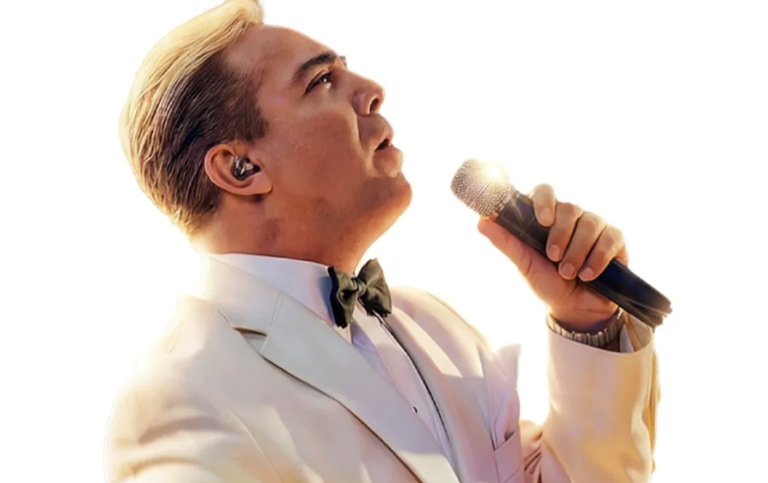
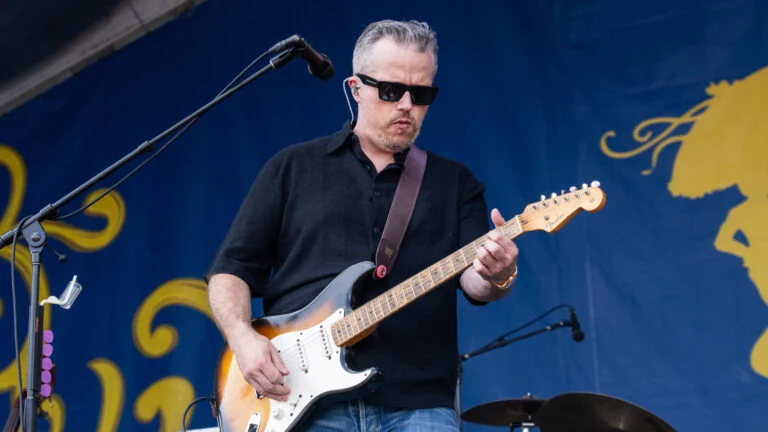
Four U.S.-based musicians, Jason Isbell, David Lowery, Guy Forsyth, and Eduardo Calle, have filed a lawsuit against AI music company Suno, according to Music Ally. Unlike other lawsuits involving AI-generated music, this case focuses on musical identity and biometric privacy rather than allegations of copyright infringement involving recordings or compositions.
The lawsuit alleges that Suno trained its artificial intelligence technology to recognize musicians by name and generate music that mirrors characteristics associated with their individual styles.
The musicians also accuse Suno of capturing and storing artists’ “voiceprints.” According to the allegations, these voiceprints can include identifiable vocal characteristics such as pitch, timbre, and breath dynamics.
The lawsuit raises questions about how musicians’ identities and voices can be used as AI-generated music becomes increasingly sophisticated. Rather than focusing solely on ownership of existing songs or recordings, the case challenges the alleged use of characteristics that can make an artist’s voice and musical identity recognizable.
Suno has denied the allegations, saying the claims are without merit and that the company has protections in place.
The case adds another dimension to the ongoing debate surrounding artificial intelligence and the music industry, particularly over how artists’ voices and identities should be protected as AI music technology continues to develop.
Source: Music Ally, “Suno sued by musicians including David Lowery and Jason Isbell
About the Author