
By Teresa Coben and Vanessa Torres
The Latin GRAMMY nominations sent a clear message across the general field: female artists are setting the pace for Latin music’s global footprint. With chart-toppers like Karol G and Rosalía leading artist nods at seven apiece, women claimed half of the spots in marquee categories like Album of the Year.
Yet, the nominated slate tells a Tale of Two Industries. While front-of-house representation has reached an all-time high, the technical engine room—production, engineering, and mixing—remains heavily skewed toward men. Behind-the-scenes hitmaker Edgar Barrera once again led overall nominations with 10 nods, underscoring a persistent industry reality: Latin music is increasingly voiced by women, but still overwhelmingly engineered and produced by men.
In the Best New Artist category—where female-led acts make up the majority of this year’s field—Venezuelan-born, Miami-raised singer-songwriter maye stands out as a champion for independent, bilingual pop. Known for her lush, intimate tracks like “My Lover” and “Tú,” her nomination marks a milestone for creators building global audiences outside traditional major-label channels.
In a statement shared by her team following the announcement, maye reflected on what the recognition means for her independent journey:
“I woke up to this news and I still can’t find the words to describe how happy I am. I feel incredibly honored and grateful. It feels like all the work we’ve done together as a team up to this point has been worth it, and to be recognized by the Academy as an artist and nominated for Best New Artist means so much to me. I’m incredibly happy and, above all, just filled with gratitude.”
For maye, the nomination isn’t just a personal win—it is validation for an indie wave of female creators who control their narrative from writing to performance.
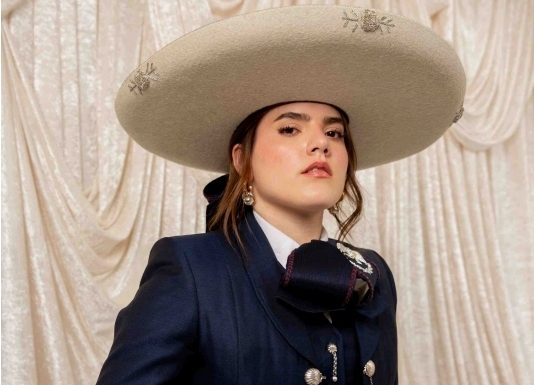
Meanwhile, in regional categories where female presence in the studio has historically faced steep uphill battles, Destiny Navaira secured a spot in the Best Tejano Album field for 3. Hailing from Texas music royalty—her father is Raulito Navaira and her late uncle was Tejano superstar Emilio Navaira—she carries heritage on her shoulders while breaking long-standing molds.
Navaira stands out as the only female solo artist nominated in the Best Tejano Album category this year. Speaking directly following the announcement, Navaira expressed how monumental this recognition feels in a genre heavily dominated by male bands and legacy acts since the post-Selena era. She continues to honor her family’s roots while fearlessly pushing genre boundaries, proving that women belong at the center of Tejano music’s future, both on stage and behind the mic.
The contrast in this year’s nomination slate highlights both how far the industry has come and where it must go next. While the technical categories remain heavily male-dominated overall, a vital group of female creators is making crucial inroads behind the board and across creative direction.
Self-producing powerhouses like Rosalía secured nods in technical categories such as Best Engineered Album for LUX, proving that the line between performer and technical architect is blurring. In songcraft and composition, songwriters and co-producers like Elena Rose and Vivir Quintana are earning major field recognition—Rose co-penning top contender “Alma” and Quintana driving social-impact songwriting on tracks like “Humano”. Meanwhile, behind-the-scenes visual directors and packaging creatives like Belén Aguilera (nominated for Best Packaging Design for Anela) and songwriters like Gale are demonstrating how women are actively defining the full aesthetic, sonic, and structural blueprint of modern projects.
The momentum built by acts like Rosalia, Silvana Estrada, Mon Laferte, maye, and Destiny Navaira has permanently shifted who gets recognized at the podium. But as these trailblazing female producers, engineers, writers, and visual architects show, the ultimate goal for the Latin Recording Academy and the industry at large isn’t just honoring women on the red carpet—it’s systematically opening studio doors so the sound behind the glass mirrors the voices in front of it.
About the Author