Not until now has the music industry shifted from nonlegal terms like the slowing down, speeding up, mashing up, and drenching songs to legal means. Examples include A Vinyl Bar in Shibuya that has turned song manipulation into playful software, Starchild in building interactive releases, and Udio in preparing Starstruck. In addition, KLAY is waiting in the wings with three major labels behind it.
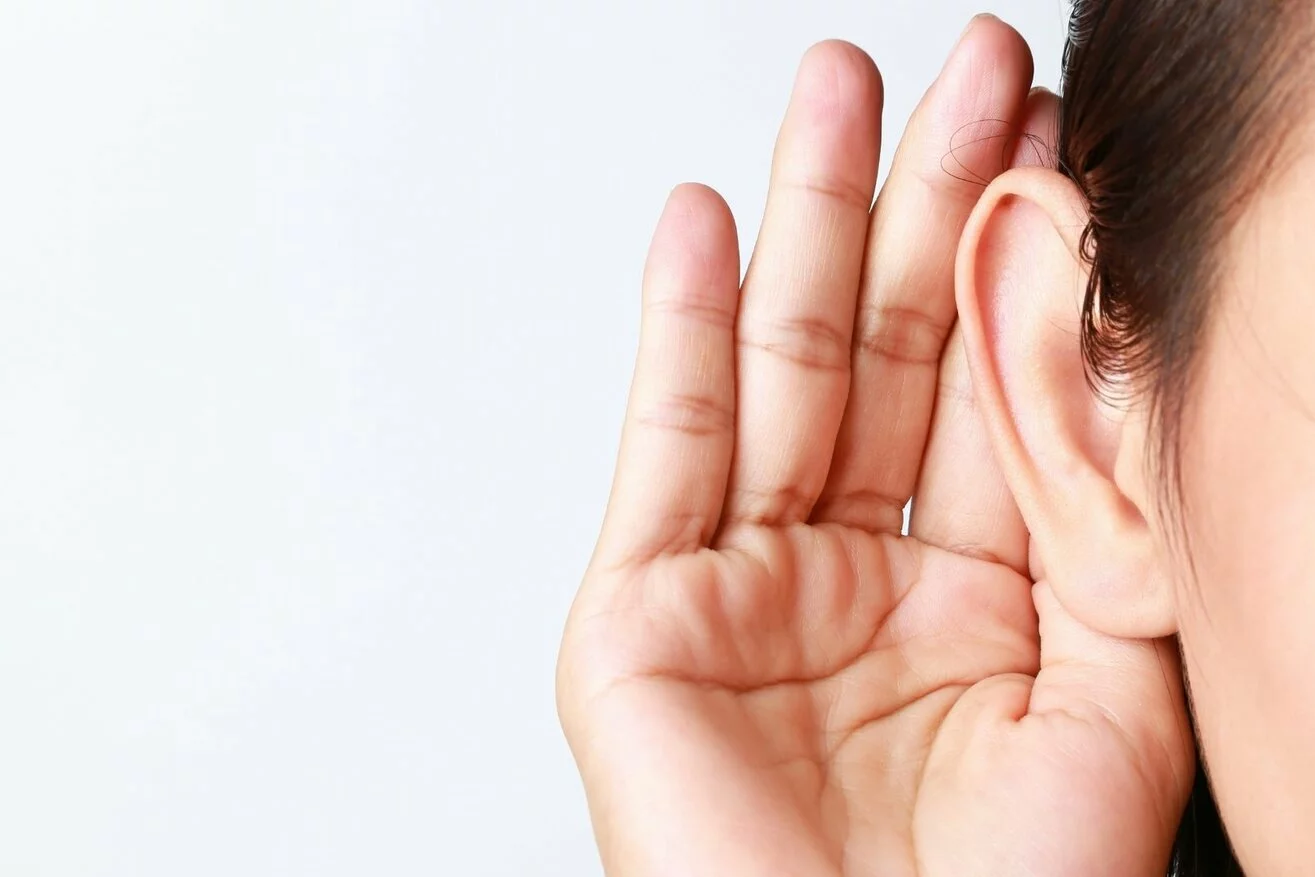
The concept of “active listening” is bridging the gap between traditional music consumption and the individual creativity of AI generators. Hook is the first app to bring active listening to the mass audience.
An instance of active listening is that for years, social media users have been creating and sharing slowed, reverbed, and sped-up remixes of songs of which original righters holder had no ownership, control, or way to monetize these creations.
A vinyl bar in Shibuya led by former Spotify Head of Innovation Máuhan Zonoozy believes that apps act more like records than software. While most music app are meant to maximize listening time, Shibuya is centered around playing with songs.
Spotify is now bringing active listening to music consumption announcing that with Universal Music Group there will be a feature that will let premium subscribers create AI-generated covers and remixes of songs from participating artists driving new revenue for creators.
Starchild, an adaptive music platform, allows fans to interact with songs in real time. Artists, for example are uploading finished tracks, can generate stems and genre-shifted variations, and turn the releases to a place where fans can play with, save, share, and embed. Starchild is turning releases into events, remix competitions, and deeper fan engagement.
Starstruck, a company created out of Udio, is growing an audience for its AI functions. Through deals with major labels and publishers, fans will be able to cover, remix, reimagine, and create songs using the voice and catalogs of artists giving royalties back to holders every time a fan hits “create.”
The company KLAY has three major labels: Sony Music, Universal Music Group, and Warner Music Group and has been in development for years. It is designed to engage fans in music in generative and interactive ways.
Music has come a long way in the sense that users view music. People are wondering whether if this new form of consumption has hope in future plans for the music industry or will be short-lived and a one-time occurrence.
About the Author