
The company behind the lyrics on Spotify and Apple Music has signed Suno as the first client for Sentinel, its real-time copyright detection tool.
If you’ve ever sung along to the lyrics scrolling under a song on Spotify, YouTube, Apple Music or Instagram, you’ve used Musixmatch. The company, founded in Bologna, Italy, works with almost 250,000 rightsholders and has more than 80 million users. Its founder, Max Ciociola, now says lyrics are only the beginning of what it does.
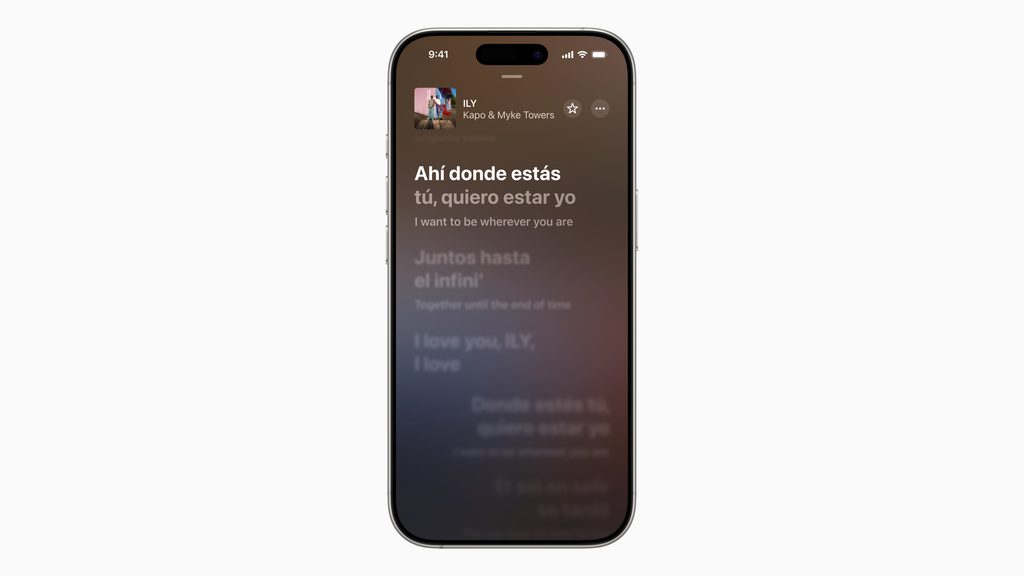
“In the language of AI, lyrics are becoming the LLM of the music industry,” Ciociola told Music Business Worldwide in an interview published Sept. 28. His case is that Musixmatch is really in the business of processing royalties and policing copyright, and that AI makes that business more valuable.
The clearest example is Sentinel. Launched in March with backing from Musixmatch investor TPG, it checks AI prompts and user-generated content for copyrighted lyrics in real time, catching even partial matches while a user is still typing. Musixmatch says it returns a result in under 100 milliseconds. Its first customer, confirmed in August, is Suno, the AI music generator that Universal and Sony are still suing. A Suno user who pastes in the words to an existing hit should now get stopped.
The timing works in Musixmatch’s favor. AI music companies are under growing pressure to show what they use. The EU AI Act asks developers to demonstrate that their training respects copyright. Warner Music licensed Suno last year, BMG followed this summer, and Suno has promised watermarking and detection ahead of a new licensed model. Sentinel sells to rightsholders policing their catalogs and to AI companies trying to stay on the right side of them. It also gives publishers a fast way to find and claim cover versions on platforms like YouTube.

Ciociola’s longer bet is on lyrics themselves. The National Music Publishers’ Association put lyrics licensing at about 1% of publisher and songwriter revenue in 2024, a figure he considers a major undervaluation. He expects searching for songs by title to give way to prompts such as “a playlist of songs about heartbreak,” with the words inside songs doing the work of an index. Musixmatch’s October 2025 AI agreements with all three major publishers, covering 15 million songs, and its new Music Lens catalog-analysis agent are built for that shift.
Musixmatch has disputes of its own. Rival LyricFind is suing it over an exclusive licensing deal with Warner Chappell, a claim Musixmatch calls without merit. On the lyrics lawsuits publishers have filed against AI developers, Ciociola said he stands with the IP owners and expects the cases to end in settlements.
Songwriters may find his diagnosis the most useful part: money leaks out of a song at every stage, from registration and collection across territories to payment and enforcement, and the writer is usually last in line. If he is right that lyrics become the language AI uses to find music, songwriters could end up with more leverage than they have had in years.
Sources: Music Business Worldwide · MBW on Suno and Sentinel
About the Author