musicbusinessworldwode.com | Credit: PhotographerLondon
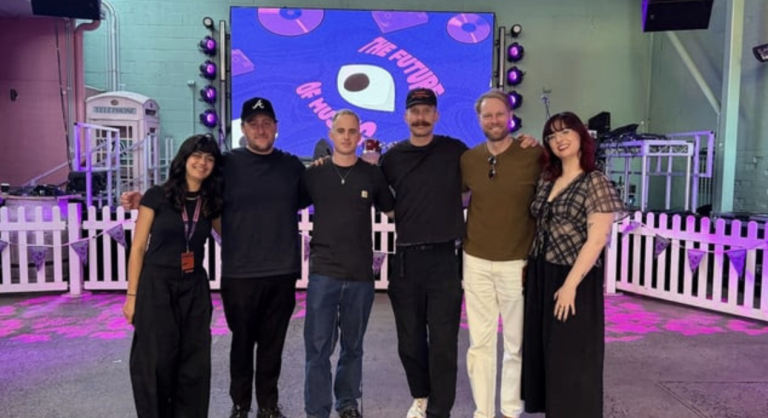
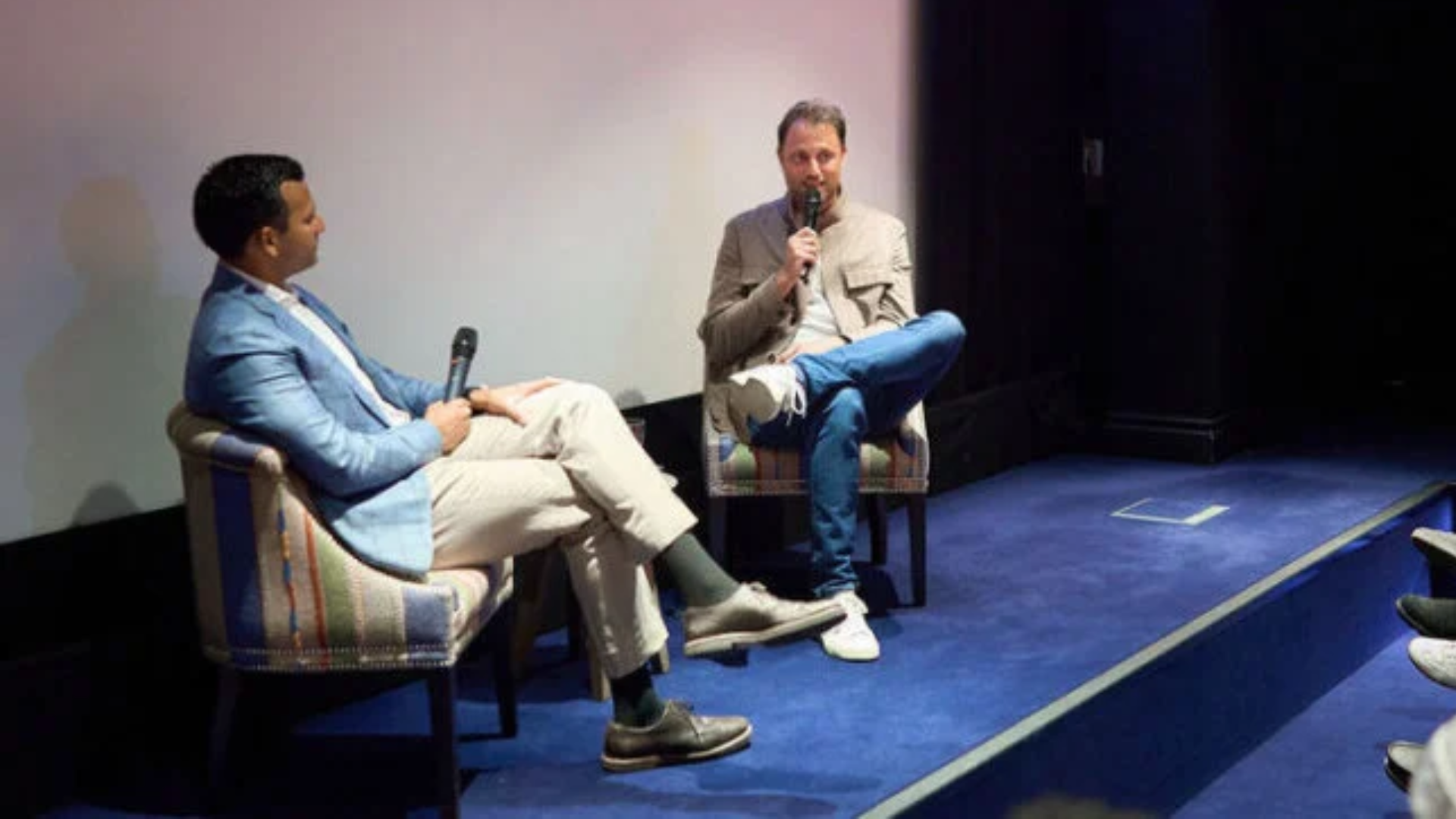
On Tuesday, May 19, an invite-only industry breakfast was co-hosted by Music Business Worldwide and The Raine Group in London. John Chapman, manager of the family office behind Chord Music Partners, was among the attendees.
Chord, now one of the largest independent music rights platforms, has rarely spoken publicly since its emergence, making Chapman’s remarks a relatively detailed look at its strategy.
He suggested that the music industry is undergoing a shift driven by new capital from the insurance sector, which he believes could reshape the value of premium music catalogs.
Chapman shared what he felt was his “hottest take” he would have that day: “Nobody understands how much insurance money is coming this way.”
Alongside Sam Hendel, Chapman runs Dundee Partners, the investment office of the Hendel family, which has been deploying capital into music for roughly three decades.
In 2021, Dundee joined KKR to form Chord Music Partners, acquiring a $1.1 catalog of music rights from a Kobalt Capital fund. In the following 5 years, ventures with music group giants like Warner, Sony and Universal have expanded the label— Chapman says Chord now manages a $3 billion catalog spanning 80,000 songs and more than 3,000 artists.
In a discussion at the event with Raine’s Joe Puthenveetil, Chapman argued that strong demand from large investors is helping keep music catalog prices high and could drive further growth.
“In 2022, [Chord] went to the ABS market and got a $730 million deal done,” said Chapman. “I crawled over broken glass trying to get insurance money to invest in that deal.
“Then, this last month, we went back to the ABS market. I did 120 meetings with institutional investors – not five. We were overwhelmed with interest. Chord had the lowest ABS spread of all time [for music royalties].”
Chord recently secured about $500 million in financing by borrowing against its music catalog through a newly created structure called Canon Music Issuer Trust. The deal closed in late April and set a record for the lowest borrowing cost ever in a music royalty-backed transaction. The offering was rated highly by credit agencies, receiving A ratings from both Kroll Bond Rating Agency and S&P Global Ratings.
Chapman said lenders with long investment timelines, with some spanning decades, can be especially valuable to music rights owners compared to other sources of capital.
“In the face of rising interest rates, everyone in this room thought that multiples would go down,” said Chapman. “The reason why they didn’t go down is because the [catalog] market’s foundation is built on the demand for debt. And there is so much demand [from lenders to provide] that debt.”
Chapman said the next major shift in the music catalog business could come if insurance companies move from investing in music royalty loans to buying the catalogs outright, suggesting that insurance companies have a “much longer time horizon and… a cash-flow stream that matches up with that.”
Asked about the gap between public and private valuations of music assets, with public companies trading in the low double digits and some private deals earning 20x, Chapman offered an analogy.
“My four-year-old daughter [is watching a film] which was created in 1950 by the Walt Disney Company for two and a half million dollars,” he said, referring to Cinderella. “I’m paying $20 a month for Disney Plus so that my daughter can watch Cinderella whenever she wants.
“That is just an incredible thing to think about as it relates to music on a catalog basis and the value of music over time.”
When asked if AI-generated content poses a threat to catalog values, Chapman said,
“I think I’m supposed to say yes. But I don’t believe it at all.”
“In a world of infinite supply, I think that familiarity is a scarce resource,” he added. “You’re going to go back to the thing that you love, because that’s what human behavior does, over and over again. I’m very comfortable betting on that.”
Chapman said Chord’s partnership with Universal Music Group has improved access to deals, comparing it to earlier years when he “bought eight catalogs for roughly $350 million,” versus “20 catalogs for $800 million” last year, calling it “a clear, fundamental difference” driven by a more consistent pipeline.
He added that planned marketing efforts tied to distinct moments have helped in significantly boosting performance, citing Diplo’s catalog, saying a coordinated campaign around Diplo’s Winter Olympics closing performance led to a “350% uptick in the listenership of that catalog.”
When asked what he was most excited about in the music business beyond Chord, Chapman cited a statistic from a consulting firm commissioned last year: in 2024, 60% of all vinyl sales in America were sold to individuals who did not own a record player.
“It shows how desperately people want to prove fandom,” he said. “That gets me so excited–– connecting that feeling of someone’s love for [an artist] and giving them more than just a portion of a $12-per-month streaming subscription.”
About the Author