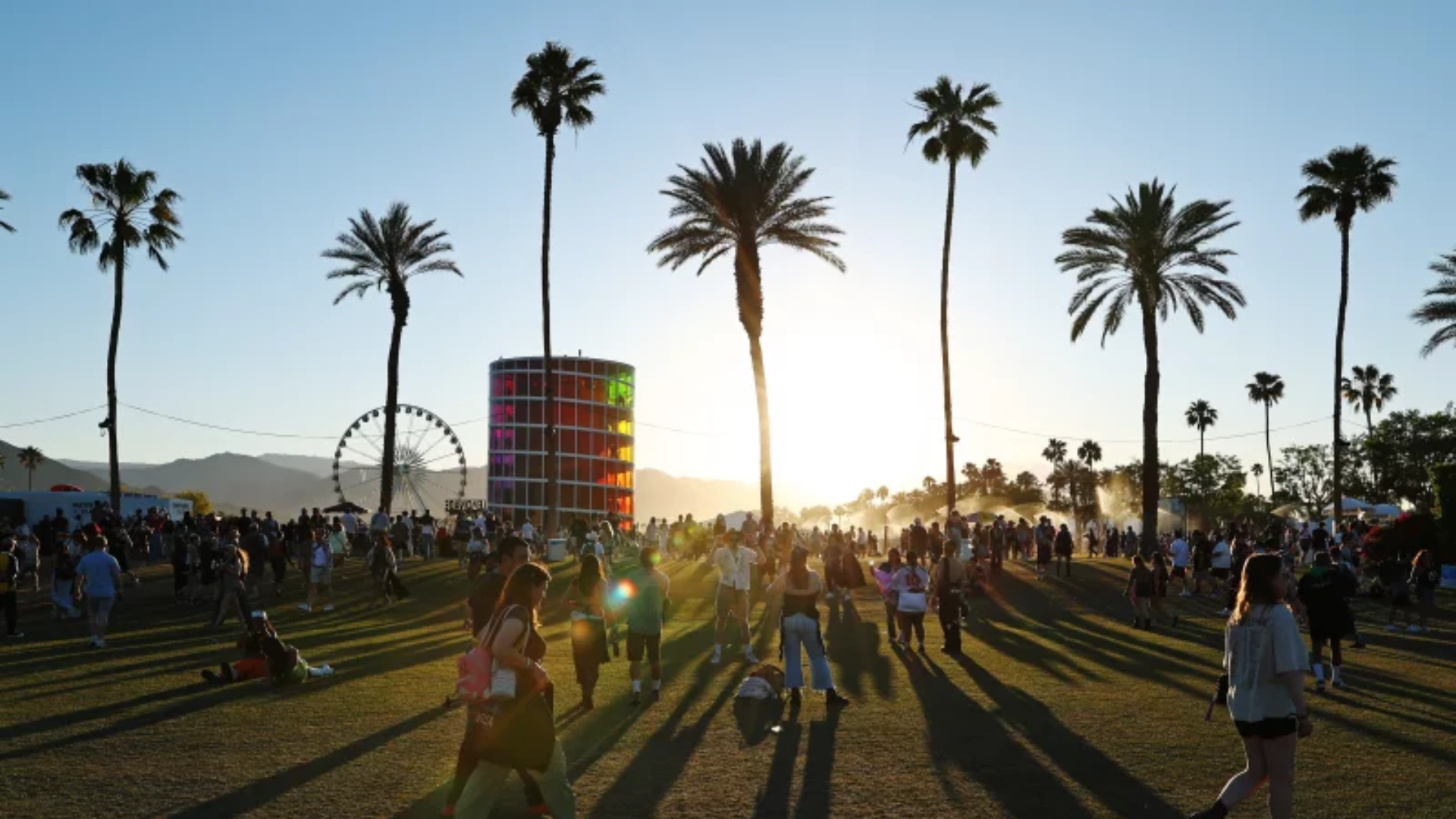
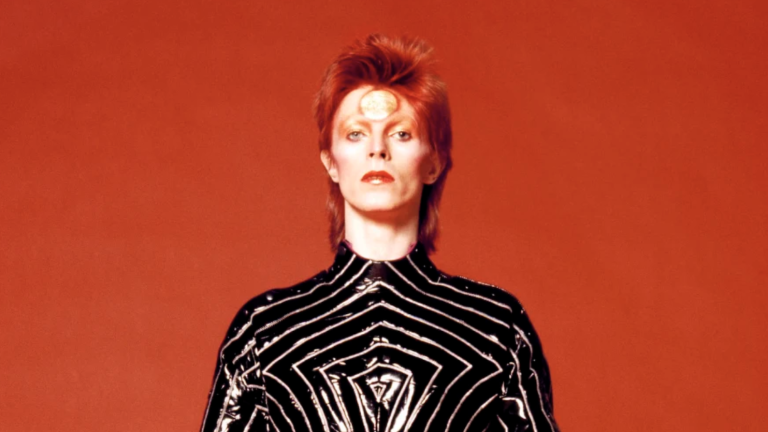
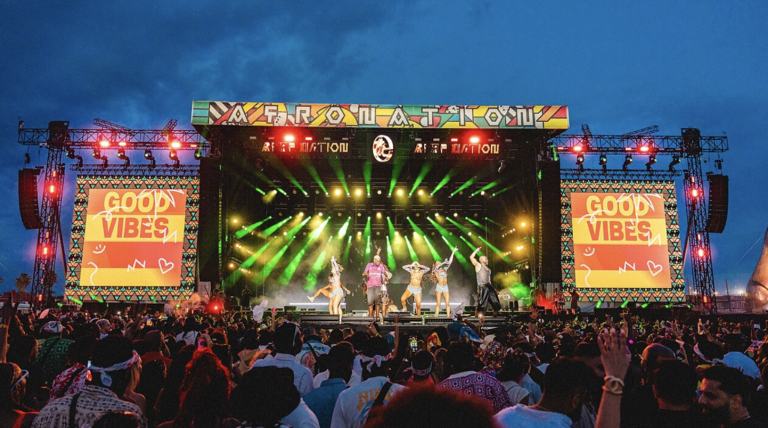
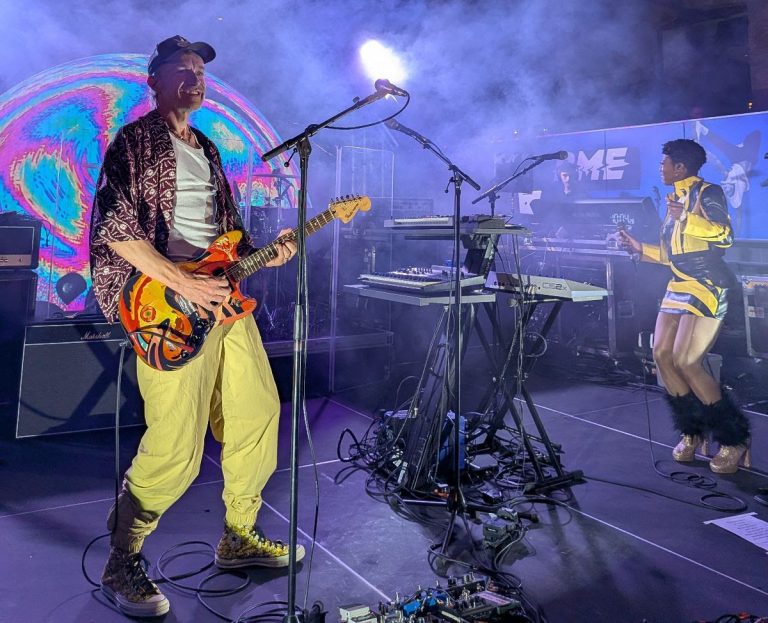
As festivals evolve into high-cost cultural events, the question of what artists owe audiences and what audiences expect in return is becoming harder to define. With the days getting warmer and the nights getting shorter, it’s that time of year again— music festival season. In the decades since Woodstock ’69, the modern U.S. music festival has drastically changed, shifting from loosely organized, laid-back gatherings into highly curated, high-cost experiences. As with many products, the cost of its production has begun to surpass what the customers are willing to pay for it. What was once the everyman’s opportunity has become increasingly inaccessible. With how much people are shelling out for multi-day passes to these ever-evolving music festivals, there is the expectation of getting your “money's worth.” But with a product as intangible as music, what constitutes worth? What does a musical artist owe to festival attendees? Live Music’s Revival Era The consumption of music has gone through many changes, notably switching between tangible and intangible forms. Live performances had once been the only way to access music until the introduction of recording, which led media to evolve from phonographs to vinyls to CDs and variations in between. Eventually, the onset of digital music was ushered in, bringing us to where we are now: the era of streaming. While music became easily accessible to the consumer, it became increasingly difficult for artists to profit off of recorded music. Not only had the popularity of physical media declined, but the introduction of streaming meant digital songs and albums were no longer individual products purchased for a set price. What outlet was left for artists to earn a living through? Live music. In 2010, touring started to become the largest contributor to many artists’ income. As concert ticket giants Ticketmaster and Live Nation merged that same year, never-before-seen tours that spanned months and visited multiple countries began to emerge. In 2017, U2’s massively popular tour was the highest-paid musical act that year, earning $54.4 million according to Billboard's annual Money Makers report. In turn, 95% of the group's total earnings came from touring. Around this same time, the atmosphere of music festivals began to shift. Live music’s revival led to greater revenue for festivals, allowing them to expand into something more immersive. VIP options became available, on-site camping became less rustic, and festival food became gourmet. It was no longer about just the music, it was about the experience. Overhead view of Coachella Valley Music And Arts Festival on April 21, 2019. — Rich Fury | Getty Images for Coachella, billboard.com Coachella: The Emergence of the Modern Festival The Coachella Valley Music and Arts Festival in particular has become one-of-a-kind, with the experience as prominent as the music, if not more so— but it’s come a long way from its beginnings. Years before the festival was founded by Paul Tollett and Rick Van Santen, the grunge rock band Pearl Jam hosted a concert on Coachella’s current grounds, Empire Polo Club fields. With roughly 25,000 fans in attendance, this validated the venue’s capacity to host large crowds. The concert had been, somewhat ironically in the current context, the result of Pearl Jam’s Ticketmaster boycott over the company’s distribution monopoly leading to ticket price hikes. Coachella then debuted at Empire Polo Club in 1999, with its humble and unprofitable beginnings quickly changing by 2004. With the crowd drawn by the significant headliners Radiohead, The Cure and the Pixies, the then-two-day festival sold out for the first time. At the same time, the beginnings of social media were building: Facebook launched in 2004, the first iPhone in 2007 and then Instagram in 2010. Coachella’s star-studded lineups were flooding the internet, drumming up excitement for each following year. The festival was receiving immense free advertising through its fans, and the organizers took that as an opportunity. Coachella soon became a festival built for social media. Justin Bieber performing on the second day of Coachella 2026. — Kevin Mazur | Getty Images for Coachella Case Study: Bieber’s Scroll vs. Sabrina’s Stage at Coachella 2026 As usual, social media was integral to the outside perception of this year’s Coachella, with videos of Justin Bieber’s performance being especially prominent. As one of this year’s headliners, Justin Bieber returned to the stage for one of his most high-profile performances in years, following his incomplete 2022 Justice World Tour. His set was notably minimal— low on production, subdued in energy, and at times perceived as disengaged. For some, it felt intimate. For others, underwhelming. Forbes summarized the set as “[leaning] heavily into minimalism, with the defining segment centered on a prolonged onstage ‘YouTube time capsule’ [featuring] viral clips, early career footage and fragments of older songs.” In spite of a performance that many deemed to be lack-luster, Bieber reportedly earned close to $10 million for the appearance. In contrast, Sabrina Carpenter delivered a performance built for the moment, turning the stage into “Sabrinawood.” Her set was expertly choreographed, non-stop visually engaging, and designed to translate both to the live audience and to the social media aftermath. While this is a traditional approach for Carpenter, it nonetheless aligns more directly with expectations of “value.” Despite the dramatic contrast between the performances, Carpenter is estimated to have earned the same paycheck as Bieber. Sabrina Carpenter performing her "Sabrinawood" set at Coachella 2026. — Kevin Mazur | Getty Images for Coachella The Festival Pricetag If Coachella’s organizers are spending tens of millions on the headliners alone, what does this mean for ticket buyers? According to Pollstar’s 2025 industry data, the average concert ticket sits at $132.62, with 2022 being the first time the average cost breached double digits. This number doesn’t account for festival tickets, where multiple-day passes range from $200 to $600 for general admission. This year’s Coachella 3-day GA tickets retailed between $549 and $649. This price increases to as much as $1,399 for VIP, not including service fees, food, shuttle passes or on-site camping. With its popularity, Coachella has also become a destination event that draws attendees from around the world. Airplane tickets and hotel rooms, with demand raising prices above average, can then add on hundreds of dollars. In the end, the overall cost for big spenders can soar into the thousands. As a result, attendees have come to expect the most from their festival experiences, especially from performers. What Do Artists Owe the Audience? Bieber’s controversial set drew both praise and criticism online, with one user on X speculating that they “would want [their] money back.” Reactions like this reflect a broader shift in how live music is evaluated. When audiences spend hundreds or even thousands of dollars to attend a festival, the performance is no longer experienced in isolation. It becomes weighed against cost, anticipation and the larger spectacle surrounding it, turning the idea of “getting your money’s worth” into something less objective and more projected onto the artist. Yet the rising cost of festivals cannot be traced to performers alone. Organizers build immersive environments, brands and influencers amplify visibility, and audiences buy into the experience as a whole. The result is a cycle: the more people pay, the more they expect; the more they expect, the more festivals expand to meet those expectations. In that cycle, the pressure placed on the performer grows, even as the definition of a “worthwhile” performance becomes increasingly unclear. In a strictly transactional sense, the exchange seems simple— fans pay for access, and artists provide a performance. But live music was never meant to function as a purely transactional product. It’s a shared experience intended to bring people together, allowing musicians to connect with their fans and vice versa. There is no universal metric for what makes a performance “worth it.” Music festivals began as communal gatherings rooted in spontaneity and connection. Their evolution into highly produced, spectacle-driven events has raised expectations, but it hasn’t clarified what audiences are actually entitled to— if anything, it has complicated it.