
Billboard.com
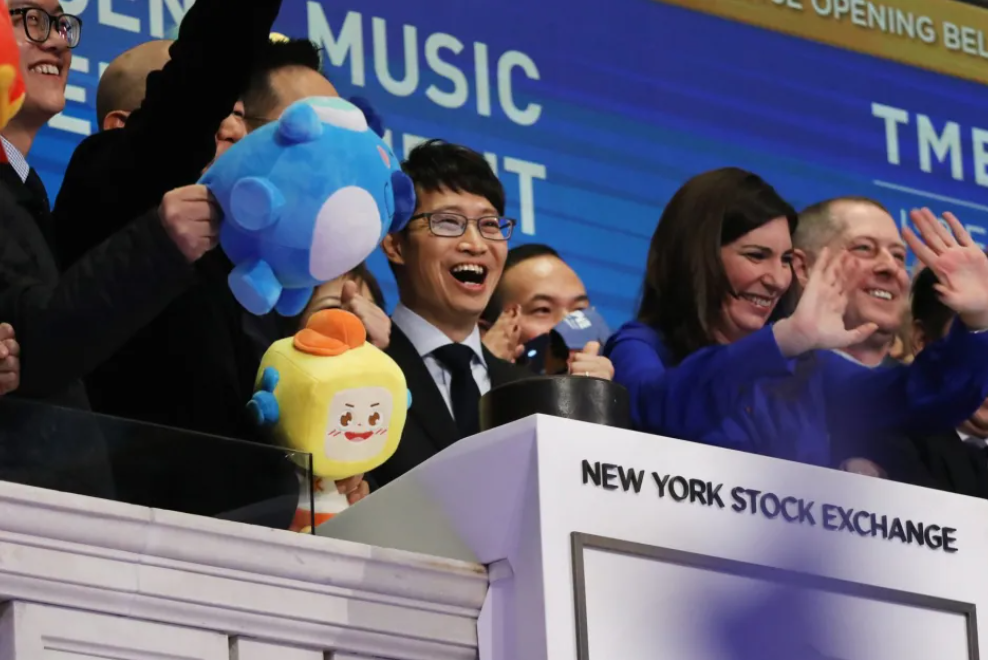
Tencent Music Entertainment reported strong first-quarter financial results while outlining an aggressive strategy focused on concerts, fan experiences, merchandise and expanded membership offerings beyond traditional music streaming.
The company generated RMB7.9 billion (approximately $1.15 billion USD) in revenue during the quarter, representing a 7.3% increase year-over-year. Growth was largely fueled by the company’s music services division, which saw revenue climb 12% as Tencent Music continued broadening its business model.
Membership services remained a key driver, generating RMB4.57 billion ($662 million USD), while revenue from non-subscription music activities surged 28%. Executives credited much of that increase to booming live-event operations, with the company’s concert business posting another quarter of triple-digit annual growth.
Speaking to investors, Tencent Music CEO Ross Liang said the platform is evolving toward a broader membership ecosystem centered on immersive fan engagement rather than simple streaming access.
The company has increasingly focused on premium experiences, including exclusive merchandise, fan clubs, priority concert access and collectible releases tied to major artists. Recent initiatives included projects connected to BLACKPINK and Chinese singer Silence Wang.
Tencent Music also continued to strengthen its catalog offerings through renewed licensing agreements and partnerships with major artists, including Jay Chou, Karen Mok, Harlem Yu and Angela Zhang.
On the live entertainment side, Tencent Music highlighted successful concert partnerships featuring K-pop acts BABYMONSTER in Taiwan and NCT WISH in Hong Kong.
Artificial intelligence also emerged as a major talking point during the earnings report. Company chairman Cussion Pang said AI-generated music is becoming an increasingly important part of the platform, with users creating an increasing number of AI-assisted tracks and authorized AI covers using Tencent Music’s tools.
At the same time, executives acknowledged concerns surrounding unauthorized AI-generated content across competing platforms, which they said could impact subscriber growth by attracting more casual listeners away from licensed music services.
Despite those challenges, Tencent Music emphasized its continued investment in copyright protection, artist partnerships and premium intellectual property as key pillars of its long-term strategy.
About the Author