MXKA
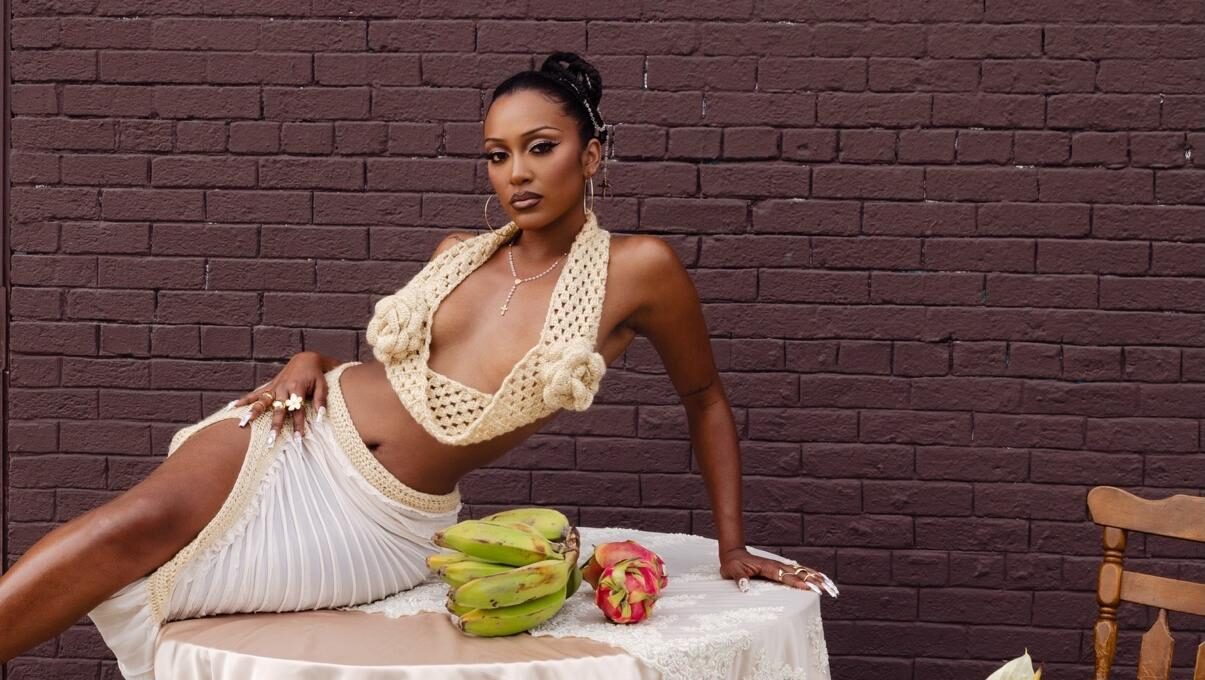
MXKA, the trailblazing Blaxican singer-songwriter leading the R&B tumbados wave, has pushed back against genre purists over her fusion of northern Mexican folk and Black contemporary soul, while endorsing The Latin Recording Academy’s expanding award categories. In an interview following the release of her 12-track project Xclusiva on EMPIRE, the Oakland-born artist—legally named Marla Bradford—opened up about her bilingual songwriting and demanded broader industry recognition for boundary-pushing diaspora acts.
Addressing resistance from traditionalists skeptical of merging acoustic campirano requintos with R&B vocal runs, the singer challenged the gatekeeping long embedded within Mexican regional music. “That was my biggest problem too, because I’m blending corridos, which is more traditional, with something new,” MXKA said. “Sometimes people don’t like that. They want the traditional stuff to stay traditional, but I think there’s room for everybody.” Her remarks arrive as the genre’s explosive global ascent is increasingly powered by California-born hybrids that diverge sharply from historical Sinaloan conventions.
The critique lands amid shifting institutional recognition, marked by The Latin Recording Academy’s establishment of Mejor Álbum de Música Mexicana Contemporánea. Praising the move, MXKA urged awards bodies to keep pace with forward-looking musicians. “I think we’re moving in the right direction. I really believe that them adding this category does shed a light on artists that are pushing the boundaries and moving the culture forward,” she said. “So I will give it to the Latin Grammys for, you know, creating a new category for those artists that are more experimental. As the years come, I hope to see more recognition for these artists that are pushing the boundaries forward.”
MXKA also dismantled misconceptions surrounding her bilingual phrasing across Xclusiva, noting that writing in Spanish remains an intentional, community-supported craft. “I start off with the melodies first. I start off with the feeling,” she explained. “Because my Spanish is still—it’s not perfect… sometimes I’m writing in English first, and then the words I do know in Spanish, I’ll say those first, and then I’ll have my friend… correct my grammar.” For the artist, whose heritage bridges Mexico City and Louisiana, her hybrid sound is ultimately an act of cultural solidarity. “With the music, it’s only showing how similar we are in a lot of ways,” MXKA stated. “Being both Black and Mexican and being able to present it in a way to show people that, you know, we’re united… we comfort each other sharing both cultures.”
About the Author