Completemusicupdate.com
Momentum is building behind the NO FAKES Act after the proposed legislation unanimously cleared the U.S. Senate Judiciary Committee, moving one step closer to becoming federal law. The bill has received widespread support from the music industry, though concerns surrounding free speech and creator protections continue to fuel debate among critics.
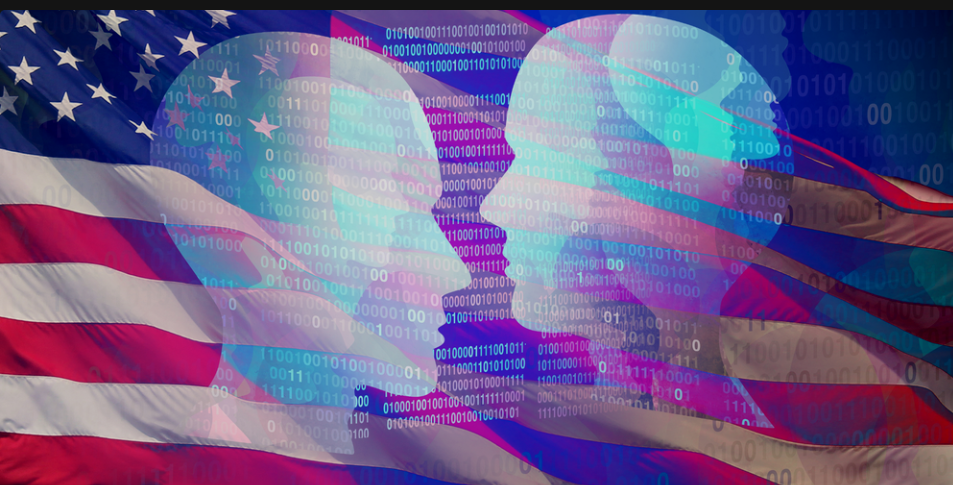
If enacted, the legislation would establish a federal right allowing individuals to control the use of their voice and likeness in AI-generated content. The proposal is designed to address the growing prevalence of deepfakes, voice cloning and other forms of synthetic media created using artificial intelligence.
Industry organizations and creator advocacy groups quickly welcomed the committee’s approval. Supporters argue that advances in generative AI have made it increasingly easy to replicate a person’s identity without consent, creating new risks for artists, performers and the public alike.
Among those backing the legislation is the Human Artistry Campaign, which has positioned the bill as a necessary safeguard for human creativity and personal identity in the AI era. The Recording Industry Association of America (RIAA) has also thrown its support behind the measure, highlighting the broad coalition of diverse entertainment companies.
The bill’s supporters maintain that the legislation strikes a balance between protecting individuals from exploitation while preserving legitimate uses of AI technology. Existing exemptions for parody, satire, commentary and news reporting were included in an effort to address First Amendment concerns.
Despite that support, opposition remains. Digital rights advocates, including the Electronic Frontier Foundation (EFF), argue that the legislation could have unintended consequences for free expression online.
Questions have also been raised about how likeness rights could be licensed to third parties. Some opponents warn that performers, creators, or everyday users could inadvertently grant broad rights to companies through contracts or platform agreements, limiting their future control over their own image or voice.
Those concerns surfaced during committee discussions, with several lawmakers seeking clarification on how the bill would protect parody and other forms of expressive speech.
About the Author