Billboard.com
A coalition of music industry organizations is sounding the alarm over a proposed increase in copyright registration fees, arguing the move could disproportionately sideline independent creators at a pivotal moment for the business.
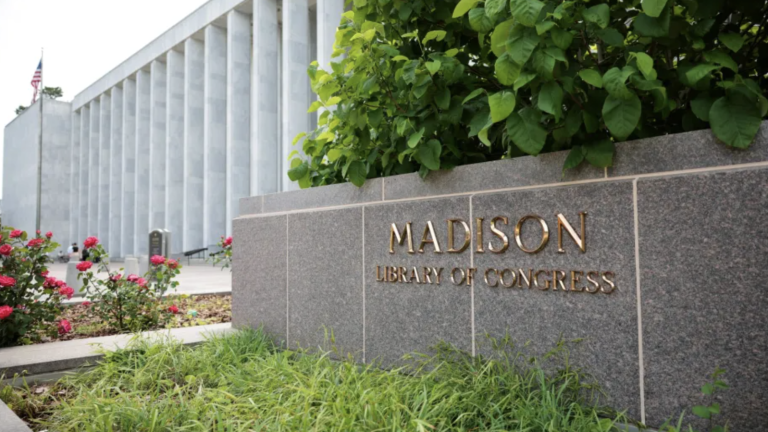
Led by the American Association of Independent Music, the group has issued an open letter urging the United States Copyright Office to reconsider plans to raise registration costs by an average of 43%.
At the center of the dispute is a proposal that would double the fee for registering a collection of songs or recordings, such as a full album, from $65 to $130. While the Copyright Office frames the increase as necessary to keep pace with inflation and operational expenses, critics say the logic overlooks a fundamental reality: many independent artists and small labels lack the financial flexibility to absorb higher costs.
The letter argues that, unlike major corporations, indie creators don’t control the pricing structures that determine their income. Royalty rates, licensing frameworks and broader market dynamics are often dictated by third parties, leaving smaller players with limited leverage. As a result, even modest cost increases can force difficult choices about which works to register formally, or whether to register at all.
That concern carries added urgency in the age of generative AI. With policymakers exploring new transparency and enforcement frameworks around AI-generated content, registration is increasingly seen as a prerequisite for protecting ownership.
Without it, creators may struggle to assert rights or seek compensation if their work is used to train or replicate AI systems. In that context, higher fees risk excluding the very artists those protections are meant to support.
The coalition behind the letter spans a wide cross-section of the industry, including the Recording Academy, the American Federation of Musicians and the Songwriters Guild of America, among others. Together, they argue that the Copyright Office must strike a more careful balance between funding its operations and ensuring broad participation in the copyright system.
Though registration is technically optional in the U.S., it remains essential for enforcing rights in court. For many indie stakeholders, the fear is clear: if the price of entry rises too high, a growing segment of creators could be locked out of meaningful protection, just as the rules of the digital music economy are being rewritten in real time.
About the Author