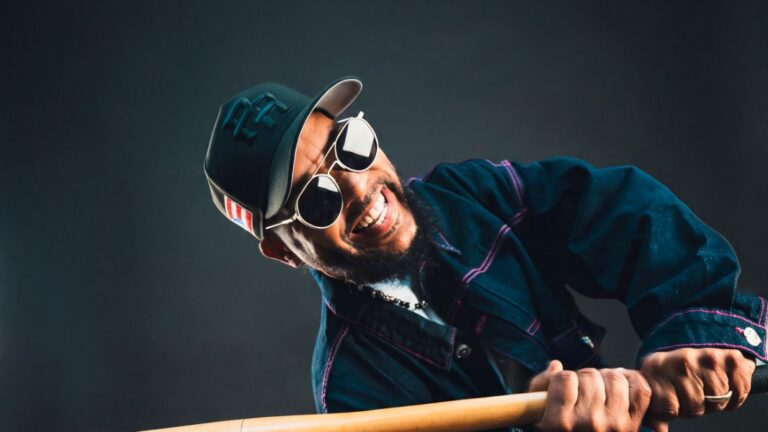
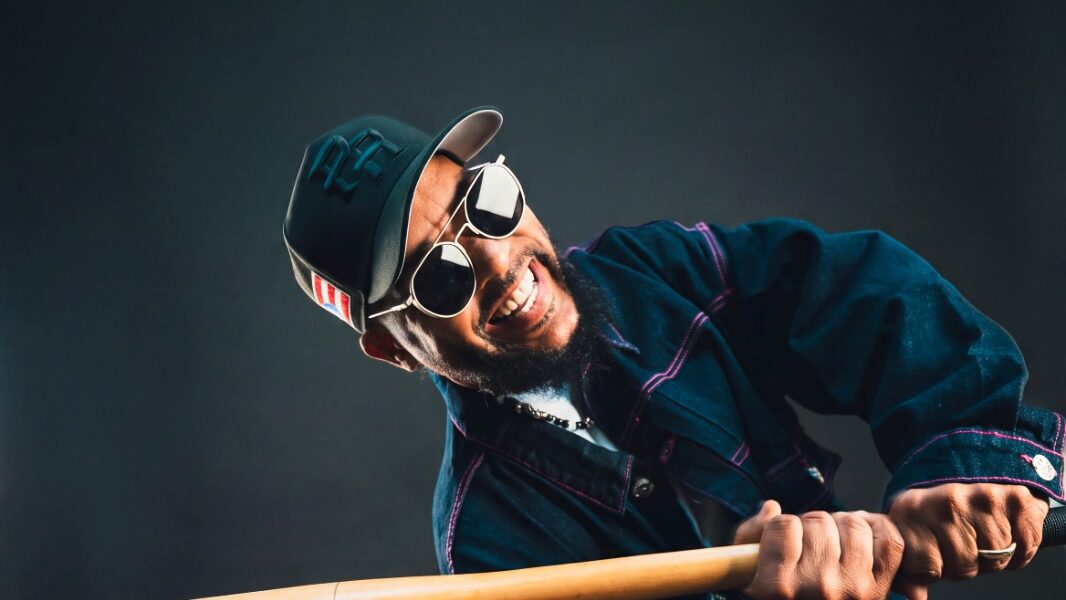
Divino | File Image
Reggaeton pioneer Divino says his music career remains deeply connected to an unfinished promise to his late brother while also being grateful to Puerto Rico giving them credit to how his Career is now.
In an emotional interview, the Puerto Rican artist revealed that he has continued recording music, discussing his brother publicly and working to ensure that audiences who never knew him will remember his name. The revelation comes as Divino prepares for a May 29, 2027, homecoming concert at San Juan’s Coca-Cola Music Hall, marking a significant return to the place where his career began.
“I’m gonna do a lot of living, and I’m not gonna rest until people that don’t know him will know him,” Divino said, describing the commitment he made after his brother’s death.
The loss fundamentally altered the trajectory of Divino’s career. Divino had initially envisioned supporting his brother’s rise while continuing to develop his own career. When K died, that future disappeared, leaving Divino to confront both personal grief and the unfinished ambitions they had shared.
Rather than abandon the dream, Divino continued forward. He said the responsibility to preserve his brother’s legacy became an enduring part of his musical identity, inspiring dedicated songs and repeated conversations about K’s life. One of those recordings, which Divino identified in the interview as a tribute to his brother, remains an important expression of that commitment.
“I still do songs about him. I still talk about him in interviews,” he said. “People still ask me about it, and I don’t mind answering.”
The revelation adds emotional weight to Divino’s upcoming Puerto Rico performance, which represents more than another concert date on the calendar. The artist described Puerto Rico as the foundation of his career and credited its audiences with helping introduce his music to international listeners before the global streaming era transformed how Latin music traveled.
Born in the Bronx, New York, Divino moved to Puerto Rico during his adolescence after his grandmother died. He had written his first song at 12, initially experimenting with English-language music, but began developing his Spanish-language identity as reggaeton and Latin urban music gained momentum.
That cross-cultural upbringing helped shape a sound that challenged the genre’s early conventions. While much of the underground movement leaned heavily on aggressive rap delivery and hip-hop influences, Divino introduced a more melodic approach, drawing on R&B, romantic songwriting and emotionally driven performances.
“I came in with more melodies, more sentimental, more with love songs, because everybody falls in love,” he explained.
That creative direction initially met resistance. Divino recalled submitting a Spanish-language cover of a Backstreet Boys song to a various-artists project, only to have it rejected for being too soft for the prevailing reggaeton sound. DJ Nelson subsequently heard the same recording and recognized its potential, bringing it onto his album. Divino said the track went viral, validating an approach that would eventually become increasingly common across Latin urban music.
His account offers a glimpse into the genre’s evolution, particularly the expansion of melodic and romantic songwriting within a movement that initially prioritized harder-edged street narratives. What once made Divino an outlier would become a defining characteristic of mainstream reggaeton.
But the artist’s career also faced a potentially devastating interruption. Divino disclosed that he came close to abandoning music after undergoing open-heart surgery, followed by an extended recovery that brought psychological challenges, anxiety and depression.
“I was very close, very close to giving up,” he said.
He described the most difficult part of the experience as mental rather than physical. Although he said his vocal range had not suffered, the recovery changed how he approached physical exertion and performance preparation. He now incorporates walking and singing into his conditioning routine, including rehearsing while walking ahead of concerts.
Divino credited his faith and the support of fans with helping him regain his footing. He also described receiving encouragement from listeners who appeared to understand what he was experiencing, even though he had not publicly disclosed the full extent of his health struggles.
Faith remains another important component of his artistic identity. Raised in a household shaped by his mother’s religious commitment, Divino described navigating the tension between his upbringing and the street culture that influenced his music. He said he evaluates personal and creative decisions through the question of what Jesus would do, while maintaining that his street-oriented lyrics are often expressions of lyrical competition rather than literal intentions.
That distinction has also influenced his approach to contemporary urban music. Divino acknowledged that some lyrics he has written were ultimately excluded because he did not feel comfortable releasing them, despite recognizing the explicit direction of newer generations of reggaeton.
Now, his attention is turning toward Puerto Rico.
Divino traced his career from its beginnings in his home and local community to recognition across the island around 1999 and 2000, followed by an international breakthrough with a record in 2003. He recalled subsequent major performances in Colombia, Chile, Costa Rica, Honduras and Europe, describing the expansion as a blessing rooted in the support he first received at home.
“I owe Puerto Rico everything,” he said.
He credited Puerto Rican listeners with introducing his music to the wider world, emphasizing that the international opportunities he eventually experienced would not have materialized without the local audience that first embraced him.
“Puerto Rico loved me, they still loved me, and they told the world, hey, listen to one of ours,” Divino said.
His May 29, 2027, performance at Coca-Cola Music Hall therefore carries several overlapping meanings: a return to the audience that established his career, a public affirmation of his resilience following major surgery, and another opportunity to keep his brother’s memory alive through music.
For Divino, his music is a commitment to family, faith, artistic independence and the cultural community that gave his music an international platform.
About the Author