Photo credit: Fox 4
YouTube Music started labeling AI tracks, the Grammys still require human authorship, and a new award will judge “AI Creative Direction.” Here’s where the line sits right now.
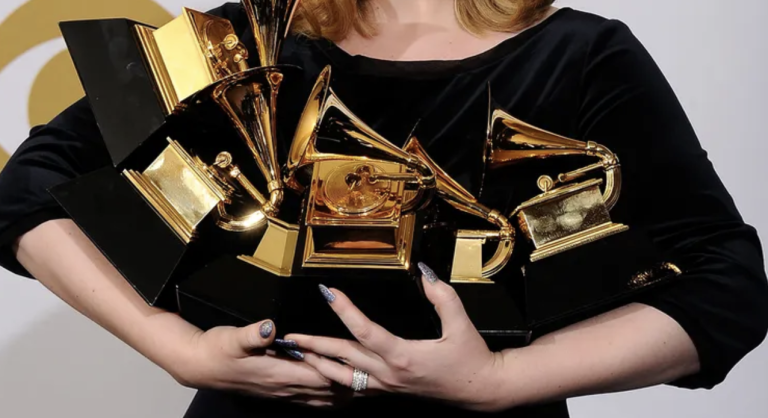
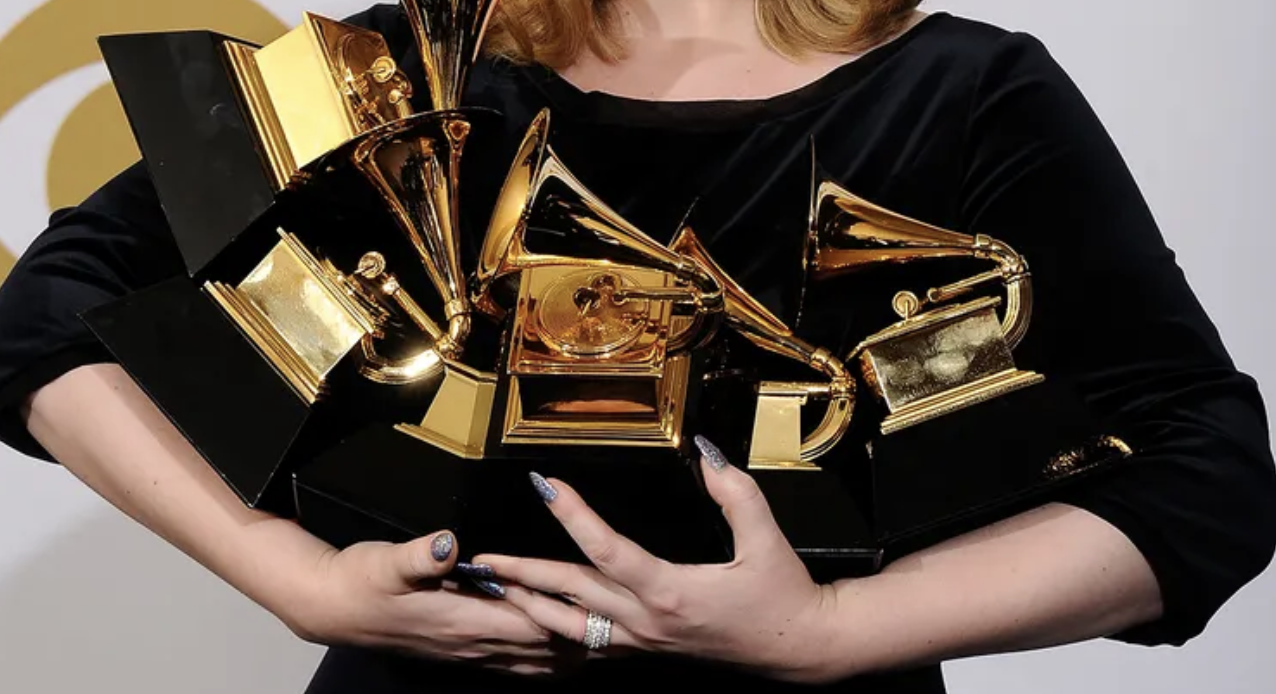
Grammy voters are picking this year’s nominees right now: first-round voting runs until Oct. 22, and the nominations come out on Nov. 16. Somewhere in that pile of submissions, there are almost certainly songs made with AI. So what exactly are awards supposed to reward?
The Recording Academy answered part of that question back in 2023. Its rules state: “A work that contains no human authorship is not eligible in any category.” AI-assisted songs can still compete, but only human creators can be nominated, and their contribution has to be meaningful. “If there’s an AI voice singing the song or AI instrumentation, we’ll consider it,” Recording Academy CEO Harvey Mason jr. told Grammy.com at the time. “But in a songwriting-based category, it has to have been written mostly by a human.”
Streaming platforms are now drawing their own lines. On Oct. 14, YouTube Music began labeling tracks “created primarily using generative AI,” for example when a model generates both the composition and the vocals. The label appears on the player page and will later come to the main YouTube app. YouTube says it is working with music partners and its own detection tools, and explains the move simply: “our listeners have told us they want transparency when they’re hearing an AI-generated track.”
In a guest piece for Hypebot, Shamielle Alston, founder of the Academy of Emerging Music Arts & Sciences (AEMAS), argues that awards should look past the tool and judge the human choices behind the work. Someone who accepts an AI model’s first output and someone who writes, revises, rejects and edits until the result matches their intent are, in her words, “not necessarily the same creative act.”
Alston isn’t a neutral observer: her academy is launching its own awards, the Ellison Awards, in 2027. They will include a category for “AI Creative Direction,” and submissions open Nov. 1. AEMAS promises blind judging, five judges per entry and conflict-of-interest checks. On fees, it says: “A submission fee can get work into consideration. It can never purchase the outcome of that consideration.”
These debates aren’t happening in a vacuum. Sony has said it asked platforms to remove more than 260,000 AI tracks that impersonated its artists, and the U.S. Copyright Office is still collecting comments on streaming fraud until Nov. 23.
For now, the industry agrees on one thing: a machine can help make a song, but a person still has to make the decisions. The fight is over how much of that is enough.
Sources: AI Music Newsletter · Hypebot · YouTube Blog · NPR · Fox 4, Grammy AI rules · Variety Australia, 2027 Grammys calendar
About the Author