Newyorker.com
Merch Traffic, the Live Nation subsidiary responsible for licensing merchandise from major artists, has launched a legal fight against a group of unidentified online sellers accused of marketing fake music merchandise.
The lawsuit, filed August 5 in federal court in Illinois, targets anonymous e-commerce operators whose identities are listed only through an attached “Schedule A.”
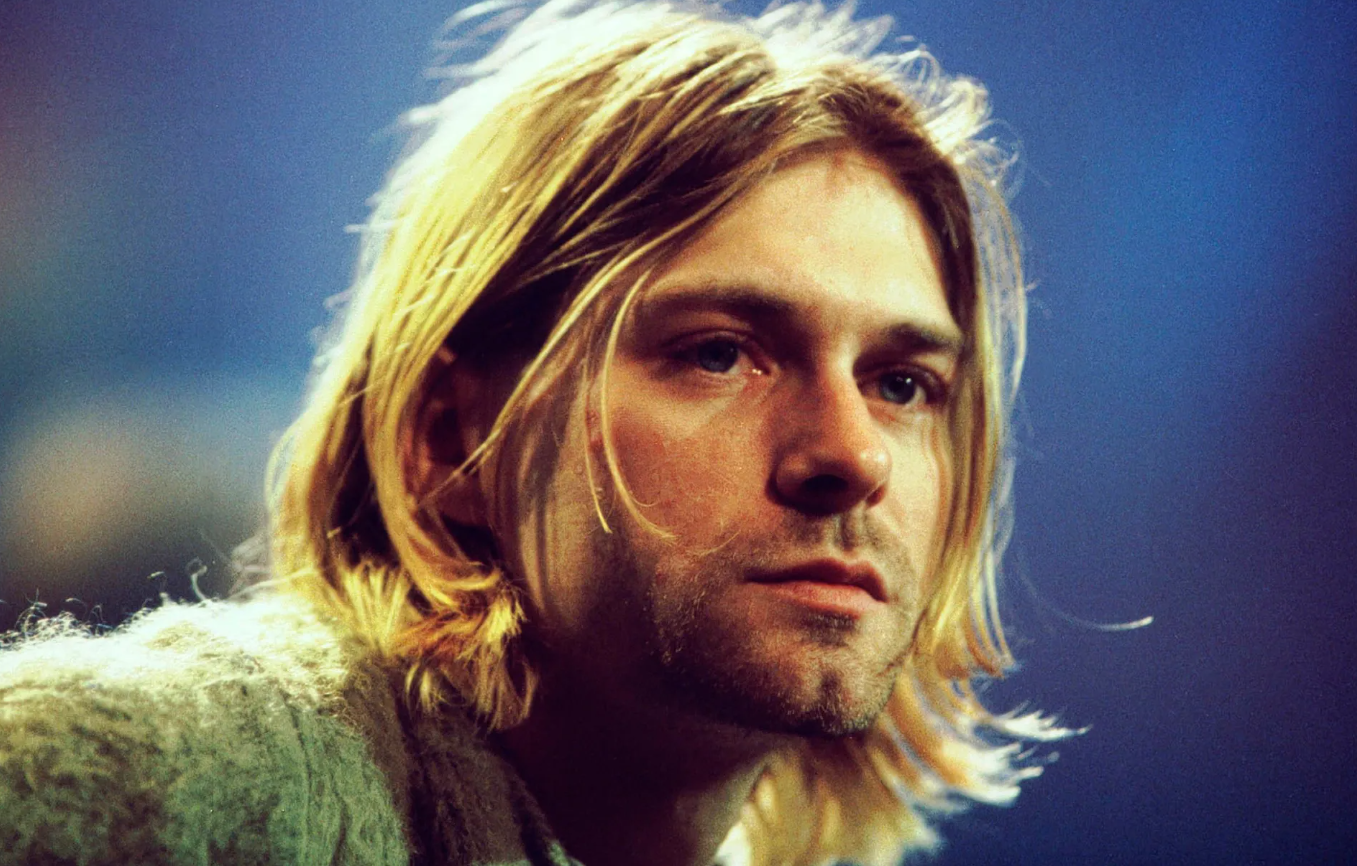
Merch Traffic alleges that the sellers use different online names to conceal who is behind the businesses and sell unauthorized products connected to artists including Nirvana, Bruno Mars, Harry Styles, The Notorious B.I.G., The Cure, Eazy-E and Avenged Sevenfold.
According to the complaint, Merch Traffic serves as the exclusive U.S. licensing representative for those artists and is seeking to protect both its business and the musicians’ merchandising rights.
The lawsuit brings claims under U.S. trademark law for infringement, counterfeiting and misleading consumers about the origin of merchandise. Merch Traffic is asking the court to block the sellers from continuing their operations, recover profits and potentially award damages of up to three times the amount of losses associated with the alleged infringement.
The company is also seeking the maximum statutory penalty for willful counterfeiting which is as much as $2 million for each infringement.
In addition, the complaint asks the court to require major online platforms, including Amazon, eBay, Temu, Walmart and PayPal, to remove or stop displaying listings connected to the accused sellers.
Merch Traffic claims many of the operators are based outside the United States, potentially making enforcement more difficult.
The case arrives during a broader push by music companies and artist representatives to combat unauthorized merchandise. Recent lawsuits have targeted bootleg sellers outside concert venues, including actions involving Bruce Springsteen, BTS and A$AP Rocky
About the Author