
Musicbusinessworldwide.com
A long-running legal battle over the rights to recordings by The Jimi Hendrix Experience has concluded in favor of Sony Music Entertainment UK, with the UK High Court dismissing claims brought by the estates of bassist Noel Redding and drummer Mitch Mitchell.
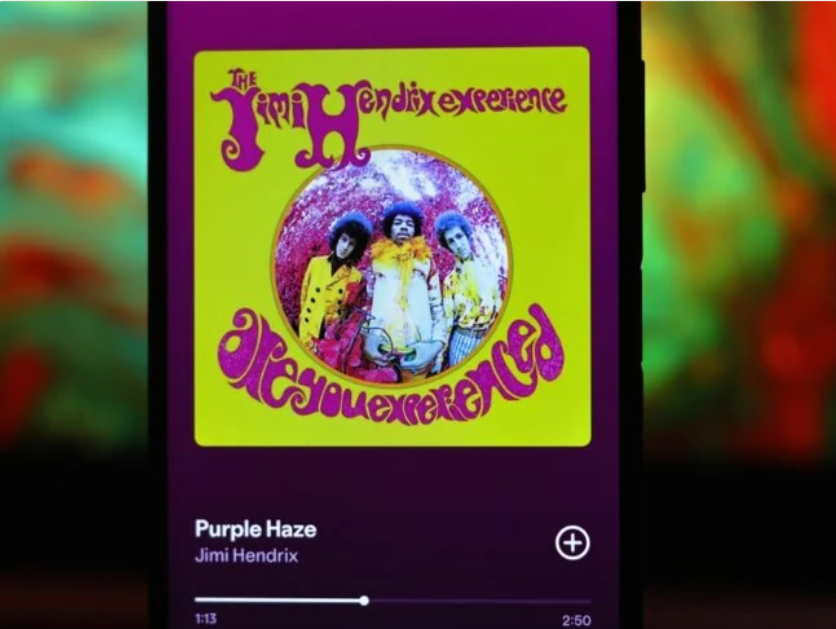
The lawsuit centered on ownership and performers’ rights tied to approximately 40 recordings made between 1966 and 1968, including material from landmark albums such as “Are You Experienced,” “Axis: Bold as Love” and “Electric Ladyland.” The estates argued that Redding and Mitchell were entitled to co-ownership of the copyrights and that Sony’s exploitation of the recordings in the UK infringed upon those rights.
However, the court rejected the claims on multiple grounds. The ruling determined that copyright ownership was originally assigned to the band’s producers under a 1966 recording agreement, specifically naming Chas Chandler and Michael Jeffery. The judge concluded that the contract language clearly granted them global ownership of the recordings.
The case was further undermined by legal settlements reached decades ago. Both Redding and Mitchell had previously resolved disputes in the 1970s, signing agreements that waived future claims and discontinued earlier litigation.
The court found these past settlements to be binding, effectively blocking the estates from reopening the issue.
On the question of performers’ rights, the judge ruled that the musicians had given broad and ongoing consent for the use of their performances, with no limitations on duration or distribution methods. While the court acknowledged arguments such as the musicians not receiving adequate financial reward during their lifetimes, it emphasized that such considerations carry limited weight when interpreting contractual agreements.
Following the decision, representatives for Sony and Experience Hendrix LLC welcomed the outcome, stating that it confirms their intent to continue managing and monetizing the catalog. The ruling brings an end to more than four years of litigation and secures Sony’s position in one of rock music’s most historically significant bodies of work.
The outcome reinforces how foundational recording contracts and past settlements continue to shape ownership in the modern music industry, even as debates of artist compensation and legacy persist decades later.
About the Author