Photo Credit: Complete Music Update
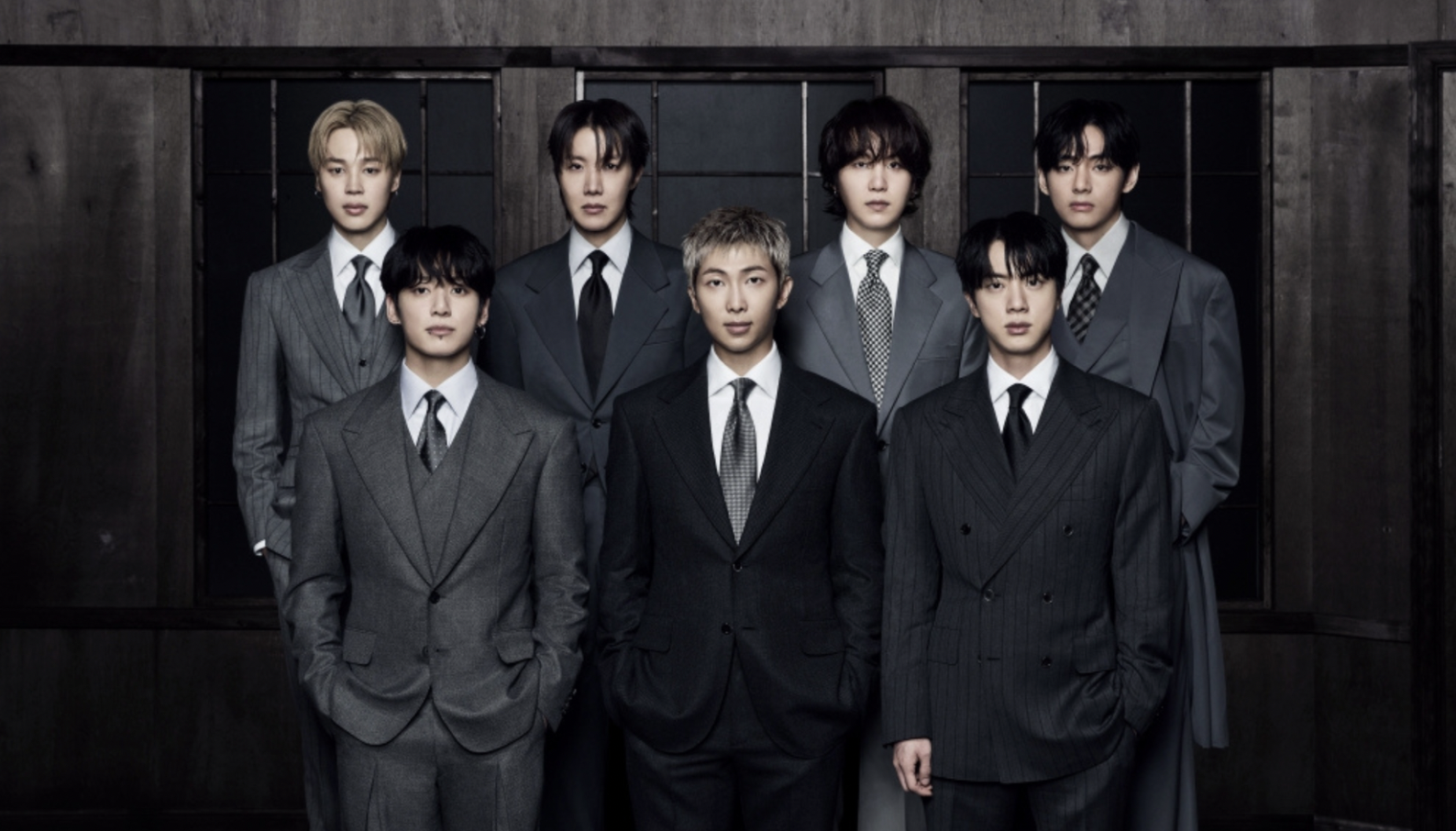
The return of BTS from their mandatory military service was supposed to be a perfectly choreographed cultural event. Instead, the release of their new album, Arirang, has turned into a high-stakes legal battlefield spanning two continents. As BigHit Music and HYBE move through the US court system to unmask an anonymous leaker and shut down counterfeit merchandise operations, the industry is getting a clear look at the aggressive legal framework required to protect a top-tier intellectual property in 2026.
The War Against the Surprise Leak
For K-pop organizations, the element of surprise is a primary driver of chart performance and global impact. The Arirang leak on X, facilitated by the account @jwngkcck, did more than just release music early. It disrupted a meticulously timed campaign designed to maximize the group’s “Kentucky Fried Comeback” momentum. By filing an ex parte application in California to subpoena X Corp, BigHit is using US federal statutes to facilitate a civil suit in South Korea. This strategy demonstrates that major labels no longer view leaks as an unavoidable cost of doing business, but as a violation of trade secrets that warrants international litigation.
Protecting the Live Revenue Stream
As the Arirang World Tour prepares to kick off its North American leg in Tampa on April 25, BigHit is also securing preemptive injunctions against bootleg merchandise. The legal filing in Florida targets unnamed individuals who sell unauthorized apparel in the vicinity of venues. These court orders are essential for several reasons:
- Quality Control: Bootleg goods often damage the premium brand reputation of the group.
- Revenue Protection: Official tour merchandise remains a massive revenue driver, often rivaling ticket sales in total turnover.
- Law Enforcement Authority: These injunctions provide police with the immediate legal right to seize and impound infringing products on sight.
The Subpoena as a Deterrent
By pursuing the identity of the X leaker, HYBE is sending a clear signal to the broader fan community. The company is making it clear that anonymity on Western social platforms will not protect users from the legal reach of South Korean entities. As BTS returns to a market that is more fragmented than ever, these legal maneuvers are a necessary component of maintaining the exclusivity and value of the world’s largest musical act.
About the Author