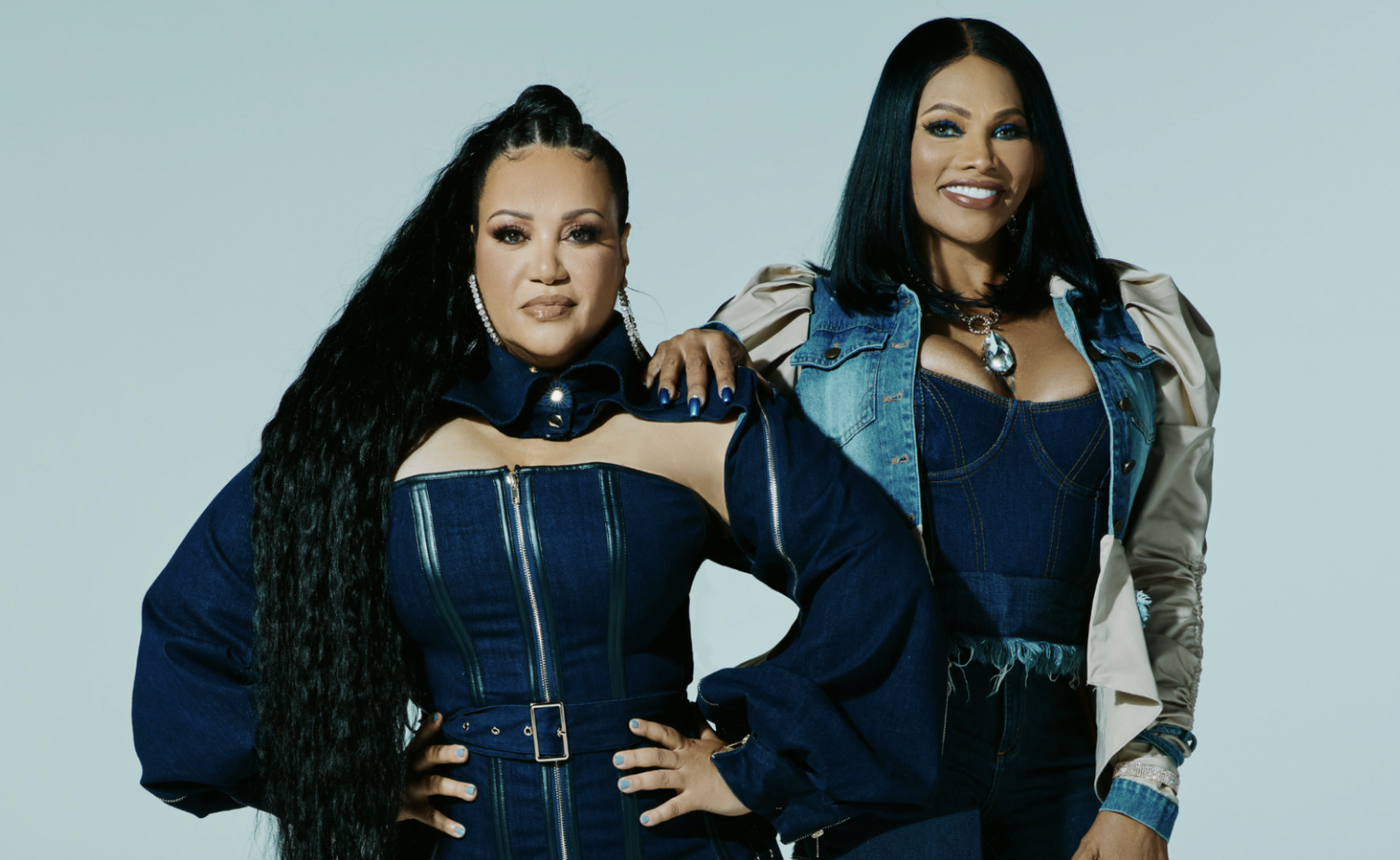
Salt N Pepa photo credit: Austin Hargrave
The high-stakes legal battle between hip-hop pioneers Salt-N-Pepa and Universal Music Group over the rights to the duo’s iconic 1980s recordings has escalated. Universal has officially responded to the rappers’ appeal, aggressively arguing that the “general intent” of US lawmakers 50 years ago cannot override the strict, literal language of modern copyright law.
At the heart of the dispute is the US copyright termination right. Introduced under the 1976 Copyright Act, this provision allows creators who transfer or assign their copyrights to a business partner, such as a record label, to terminate that contract and reclaim ownership after 35 years. Salt-N-Pepa, comprised of Cheryl James and Sandra Denton, are attempting to use this law to seize control of their classic catalog.
Universal, which acquired the master recordings years ago, successfully got the rappers’ initial lawsuit thrown out in January. District Judge Denise Cote ruled in favor of the major label, concluding that the termination right does not apply because Salt-N-Pepa never actually owned the copyright to their records in the first place. Universal’s core argument is simple: if there was never an initial ownership of rights, there was never a transfer of rights, meaning there is absolutely nothing to terminate now.
In their appeal to the Second Circuit Appeals Court, Salt-N-Pepa have garnered significant backing from the music industry. Advocacy groups, including the Music Artists Coalition and the Authors Alliance, submitted amicus briefs arguing that Congress specifically created the termination right to protect vulnerable creators. They warn that if Judge Cote’s ruling stands, these legislative protections will become completely illusory for artists everywhere.
Universal’s new legal filing hits back directly at those arguments, claiming Salt-N-Pepa are using sweeping policy discussions to mask a foundational flaw in their case. The label’s lawyers insist that the duo’s original 1980s production contracts contained absolutely no grant of copyright from the rappers to the producer, which is a non-negotiable statutory requirement for termination.
While Salt-N-Pepa’s legal team argues that they were the default first owners of the recordings, creating an implied transfer of rights despite what the contracts omitted, Universal maintains that the production company was the legal author from day one.
As the Second Circuit prepares to weigh in on these dense copyright technicalities, the stakes extend far beyond the Salt-N-Pepa catalog. The final ruling could set a massive precedent for dozens of legacy artists attempting to reclaim their master recordings from major labels in cases where original copyright ownership remains murky.
About the Author