
Photo Credit: Deezer
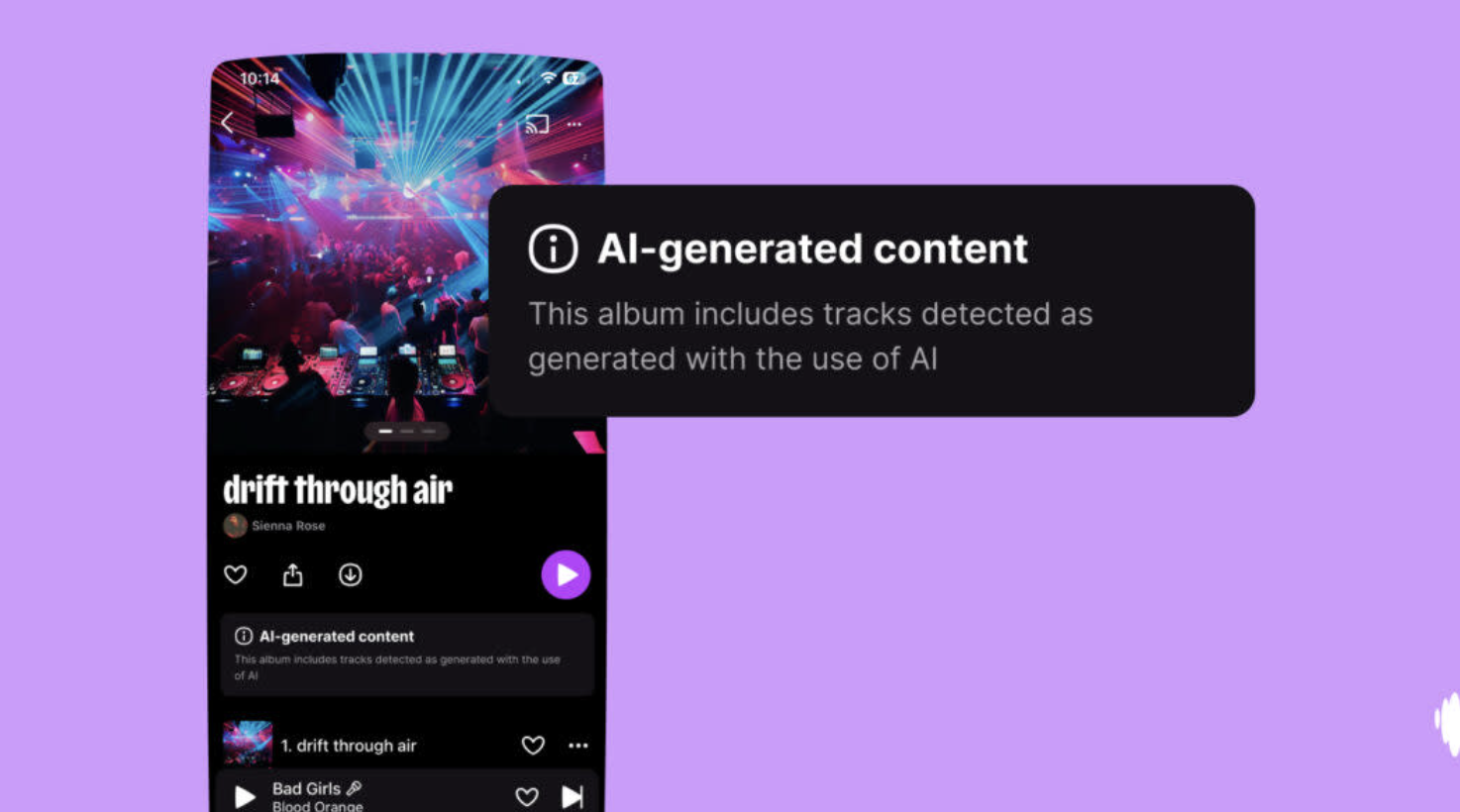
The scale of machine learning in the music industry has reached a massive tipping point as recent data reveals that AI-generated tracks are currently flooding digital service platforms. According to a new report from the Paris-based streaming service Deezer, the platform is receiving nearly 75,000 uploads of AI-made tracks every single day. This surge means that approximately 44 percent of the platform’s daily uploads are now generated by artificial intelligence, accounting for roughly 2 million flagged songs per month.
These statistics are tracked through a patent-pending detection tool that the company launched in January 2025. The growth has been rapid; just months after the tool debuted, the service was only seeing about 20,000 AI tracks a day, which represented 18 percent of total uploads at the time. By the end of 2025, more than 13.4 million songs had been detected and flagged across the service. Despite this influx, the actual consumption of these tracks remains low, with only 1 to 3 percent of total streams involving AI-generated music. Furthermore, a majority of these streams are currently marked as fraudulent and are demonetized.
The proprietary detection tool is specifically trained to identify content from popular AI offerings like Suno and Udio. While these startups faced significant legal challenges and lawsuits in their early stages, the industry landscape is shifting. Some major record labels have recently moved toward striking deals with these AI companies. At the same time, other streaming platforms are fortifying their own systems to manage the volume of synthetic content. For instance, Coda Music has implemented “AI Artist” labels and introduced features that allow listeners to flag suspicious profiles.
As the volume of machine-made music continues to expand, the focus for streaming services has shifted toward verification and transparency. By employing advanced detection tools, platforms are attempting to protect the integrity of their libraries while ensuring that payouts are not diverted by fraudulent streaming activity. This ongoing tension between rapid AI production and platform moderation is currently defining the economic reality for both independent artists and major distributors in the digital age.
About the Author