Musicbusinessworldwide.com
Just days after unveiling a headline-making licensing partnership with Universal Music Group to launch AI-generated fan remixes and covers, Spotify has added another hire to its growing artificial intelligence division.
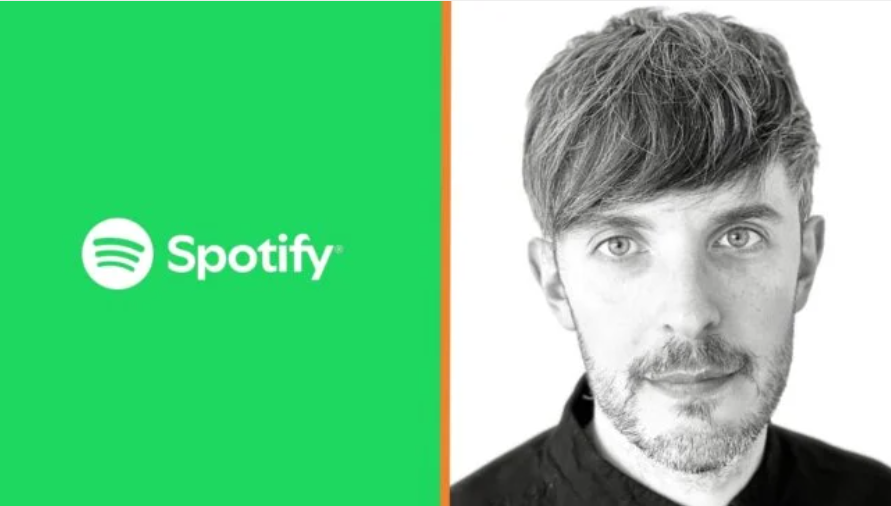
Julian Parker, a prominent researcher behind Stability AI’s Stable Audio models, confirmed this week that he has joined Spotify’s “artist-first AI” team. The London-based engineer shared the news on LinkedIn, revealing he had recently transitioned to the streaming giant following more than two years helping develop Stability AI’s expanding suite of music-generation technology.
Parker played a central role in several of Stability AI’s most recognizable audio tools, including Stable Audio 2.0, Stable Audio Open and the newly released Stable Audio 3 family. That latest collection of models debuted only days before Parker’s announcement and was promoted as being trained entirely on licensed music data, with the capability to generate tracks exceeding six minutes in length.
At Spotify, Parker joins a growing internal research group focused on building generative AI products centered around artists and fan engagement. He specifically cited working alongside Spotify researchers Sebastian Ewert, Peter Sobot and Rachel Bittner as part of the company’s expanding audio intelligence efforts.
The timing of Parker’s move is notable. Earlier this month, Spotify and Universal Music Group announced a new agreement that will allow listeners to create officially licensed AI-powered remixes and covers using participating artists’ music catalogs. The feature is expected to roll out as a paid add-on for Premium subscribers, with both companies emphasizing artist consent, attribution and compensation as core pillars of the initiative.
Spotify first formally introduced its artist-first AI strategy in late 2025 through collaborations with major music companies, including Sony Music Group, Warner Music Group, Merlin and Believe. Since then, the company has steadily increased its investment in AI-driven music experiences as competition intensifies across the streaming and creator-tech landscape.
About the Author