rollingstone.com
This year’s Shindig Festival in Wiltshire, England is set to have its event licence reviewed, with its start date of May 21 quickly approaching. The review comes as a result of formal concerns raised with the Wiltshire Council relating to this year’s headliner, punk-rap duo Bob Vylan.
Under the UK 2003 Licensing Act, anyone is able to request a review of an event’s licence.
The filing with the council, made by an unknown person, states, “the inclusion of a headlining performer, Bob Vylan, who has been widely criticised for inflammatory and divisive rhetoric, including allegations of antisemitic statements, raises serious concerns.”
Wiltshire Council expressed that it has “no influence on the choice of artists” at events it licences, but would “work closely with colleagues and other organizations to ensure all relevant legislation” was complied with at this year’s Shindig Festival.
Wiltshire councillor Paul Sample went on to inform the BBC that the review will now be undertaken by an independent licensing sub‑committee, but not until the week of the festival itself.
“Safety has always come first at Shindig and under no circumstance would we allow that to change,” a spokesperson for Shindig said. “We are working closely with our production team, the artist and the authorities to ensure we have a robust plan in place to address these concerns.”
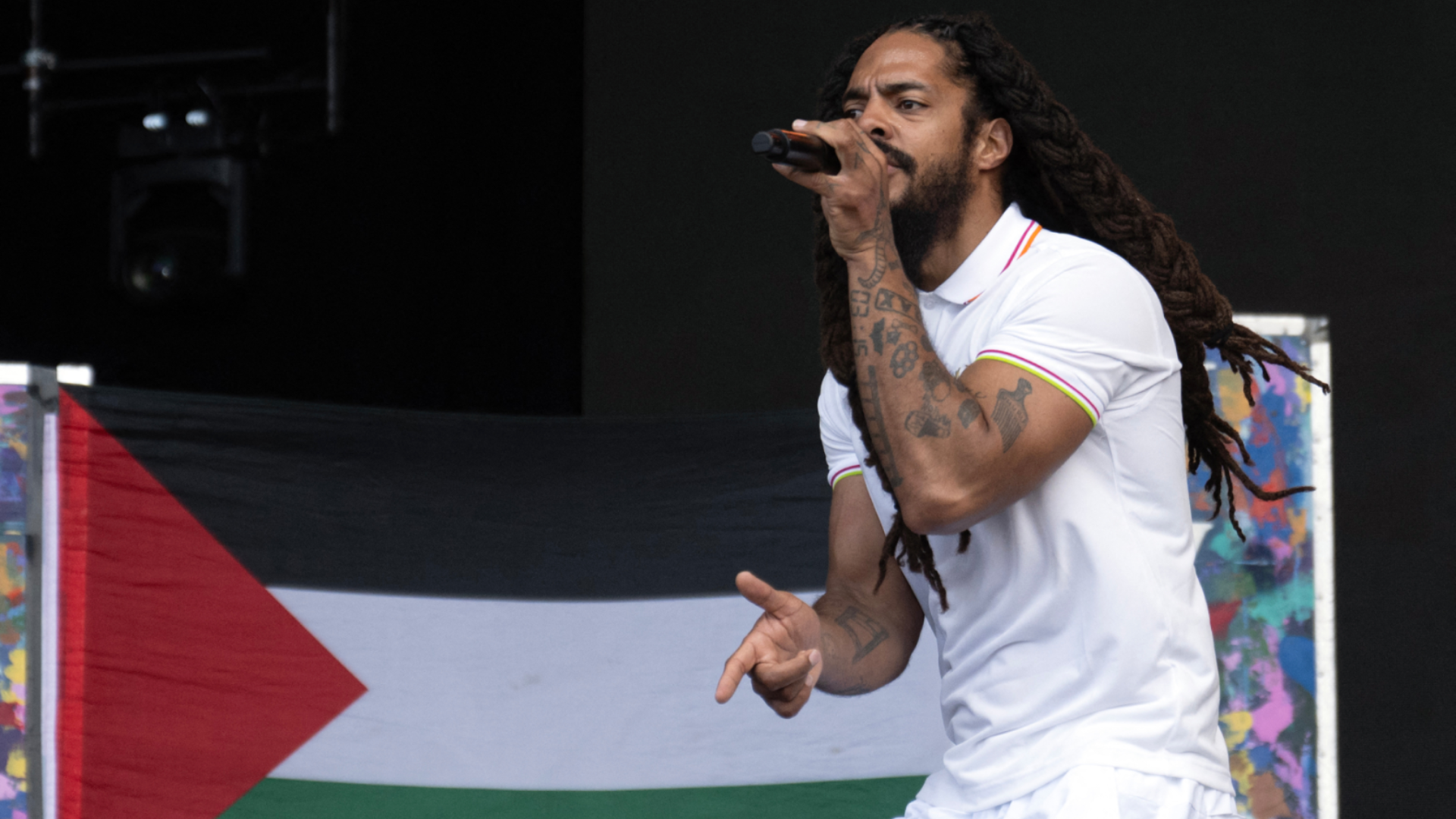
Calls for venues and festivals to drop Bob Vylan’s shows largely come as a result of their controversial Glastonbury performance last year. During the set, frontman Pascal Robinson led the crowd in chants of “from the river to the sea, Palestine must be – will be – free” and “death to the IDF”, referencing the Israel Defense Forces.
Robinson’s on-stage support of Palestine and criticism of Israel has been met with both support and resistance. Some of Bob Vylan’s shows, including the Glastonbury set, have led to police investigations amid allegations of antisemitism.
Despite UK Prime Minister Keir Starmer labeling the chants as “appalling hate speech,” police in both London and Avon & Somerset ultimately concluded that there was not viable evidence to pursue criminal charges.
Robinson strongly denies allegations of antisemitism, arguing that his words and actions were misconstrued. He subsequently filed defamation lawsuits against media outlets that made these claims following the controversy.
About the Author