On the “Las Culturistas” podcast, the singer compared AI artists competing with people to robots entering the Olympics. Fans weren’t convinced.
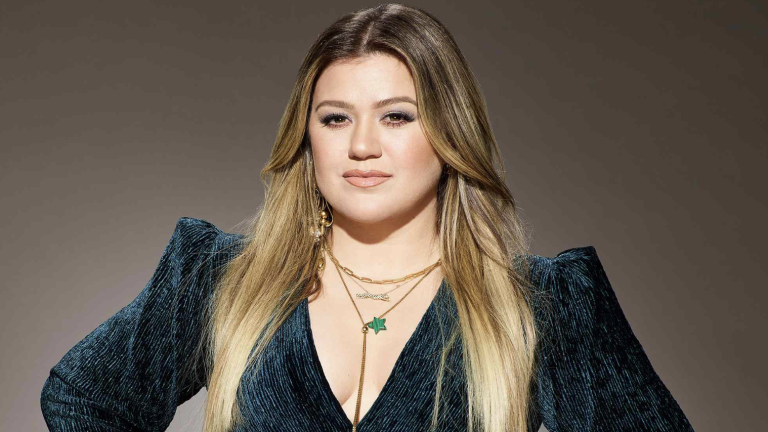
Kelly Clarkson won the very first season of “American Idol” by beating other humans in a singing competition. So she has thoughts on who should be allowed to compete.
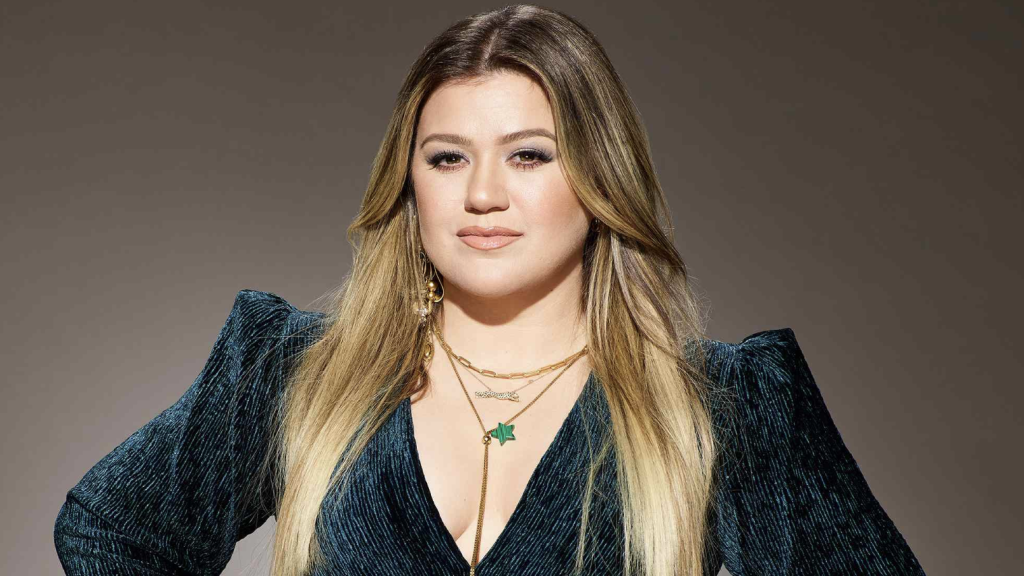
On the Sept. 30 episode of “Las Culturistas,” the podcast hosted by Bowen Yang and Matt Rogers, Clarkson used a segment that gives guests one minute to deliver a take on any topic to argue for a separate chart for AI music. “I think there should be a separate chart,” she said.
The twist is that Clarkson isn’t anti-AI at all. She said she loves the technology, has fun with it artistically like everyone else and thinks it could let people make music they otherwise couldn’t. Her problem is competition: AI artists going head-to-head with humans on the same chart. She compared it to holding the Olympics and letting robots race the athletes.
Listeners didn’t give her much credit for the nuance. According to Digital Music News, plenty of them slammed the pro-AI half of her take, even though it came with limits attached.

She isn’t the first to suggest splitting the two, just one of the most famous. Some in the business think the split is already happening. Nicholas Gunn, founder of Blue Dot Music, told Digital Music News that he sees two music businesses forming. One is fast, disposable and AI-driven, living on labeled tracks and sites like Udio. We wrote about special labels for AI-generated music in this article. The other is artist-centric, built on human identity and direct-to-fan sales.
The catch is the definition. A separate chart would need a clear line between “AI-generated” and “AI-assisted,” and right now streaming services can’t even agree on how to label either one. Where would a human song with an AI-polished backing vocal end up?
A separate chart sounds simple. Deciding who counts as the robot is the hard part.
Sources: Digital Music News · IBTimes UK
About the Author