Image courtesy of Spotify
Throughout 2026, Spotify steadily blurred the line between audio streaming service and visual entertainment hub, introducing a wave of new tools and features designed to make full-length music videos a core part of the listening experience. Rather than treating video as a separate destination, Spotify focused on incorporating visuals directly into how fans listen to songs, explore artist catalogs, and discover new releases.
The platform’s biggest shift came in June 2026, when Spotify launched a beta allowing artists to upload full-length videos directly inside Spotify for Artists, alongside traditional label and distributor uploads. Expanding to thousands more eligible creators by October 2026 (including a major rollout in Japan for both free and Premium users), the tool lets artists upload official music videos, live performances, studio sessions, acoustic takes, and covers, all eligible for royalties and charting. Once uploaded, videos automatically generate short-form previews across the app, appear in a dedicated Video tab on artist profiles, and trigger push notifications for an artist’s “super listeners“.
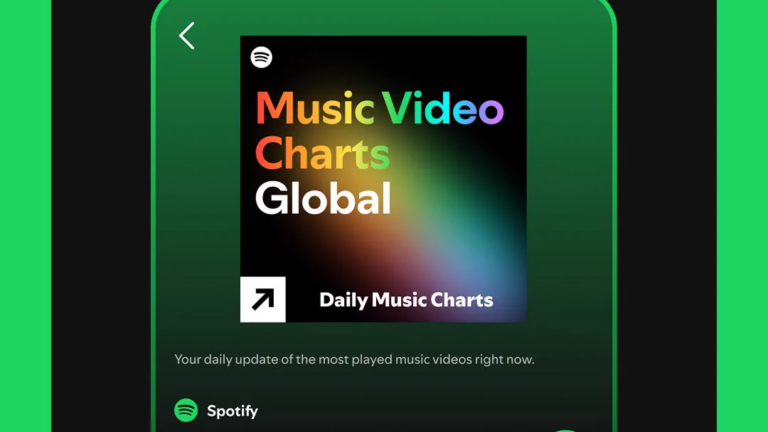
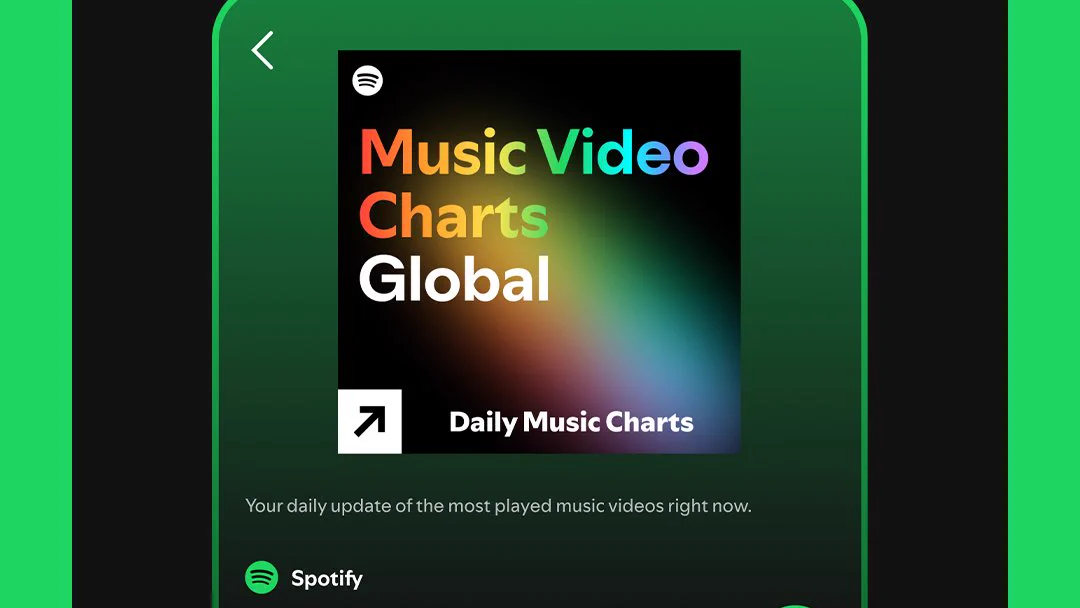
To boost discovery, Spotify followed up in July 2026 by introducing Music Video Charts Global, its first dedicated daily Top 50 ranking for music videos, alongside editorial pitching tools that let artists submit new videos for placement across more than 100 curated video playlists like Today’s Top Videos, Live Performances, and the personalized Videos for You feed. Spotify also leaned into major cultural moments, partnering with the 2026 MTV Video Music Awards to host official VMA hubs and feature classic and current ceremony performances on demand.
According to Spotify’s internal data, pairing audio with full-length video has delivered measurable engagement gains. Listeners who watch a song’s video on Spotify are on average 34% more likely to stream that track again the following week, 24% more likely to save or share it, and 57% more likely to explore more of the artist’s broader catalog.
Explaining the philosophy behind the year-long push, Spotify noted on its official blog, “On Spotify, video can do more than be seen. It can bring fans back to the song, deeper into the catalog, and closer to the artist“. By connecting seamless “Switch to Video” playback with direct creator uploads, editorial pitching, and global charts, Spotify spent 2026 turning music videos from a promotional extra into a discovery engine.
About the Author