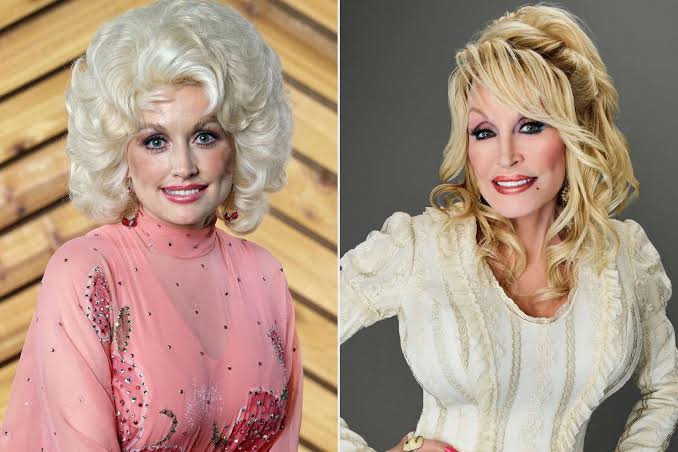
Dolly Parton, the globally cherished singer, songwriter, actress, and philanthropist whose razor-sharp songwriting and singular charisma redefined country music and pop culture across a six-decade career, has died. She was 80.
The news of her passing was confirmed Tuesday in a video statement posted to her official Instagram account by her nephew, Bryan Seaver.
“I have imagined the heaviness of this moment but haven’t truly felt it until now,” Seaver said in the statement on behalf of the Parton family. “It is an honor, an honor that is mixed with absolute pride and great sadness.”
A cause of death was not immediately announced.
Born in a one-room cabin in the Great Smoky Mountains of East Tennessee, Parton rose from humble Appalachian origins to become one of the most prolific and influential figures in entertainment history. Across her storied career, she authored classics including “Jolene,” “Coat of Many Colors,” “9 to 5,” and “I Will Always Love You”.
This is a developing story and will be updated
To call Dolly Parton a country music star is to understate a force of nature that transcended genres, generations, and cultural divides. Equal parts master songsmith, sharp-witted businesswoman, and self-effacing humorist, Parton built an empire anchored by pure talent, unyielding authenticity, and profound empathy.
Born January 19, 1946, in Sevier County, Tennessee, Parton was the fourth of 12 children raised in a dirt-poor rural household. Her childhood—immortalized in her signature 1971 song “Coat of Many Colors”—provided the bedrock for her storytelling, grounding her music in honest, unromanticized depictions of working-class life.
She relocated to Nashville the day after her high school graduation. Partnering initially with country star Porter Wagoner on television and record in the late 1960s, Parton quickly proved her creative voice was far too expansive to stay in anyone’s shadow. When she broke away to forge her solo path, she penned “I Will Always Love You” as a farewell to Wagoner—a song that would go on to become one of the best-selling singles of all time, notably re-recorded by Whitney Houston.
Parton crossed over seamlessly into pop music and Hollywood without ever losing the allegiance of her core country audience. Hits like “9 to 5” double-hatted as radio chart-toppers and working-women anthems, while her movie roles in 9 to 5, Steel Magnolias, and The Best Little Whorehouse in Texas cemented her place on screen.
Beyond the stage, Parton was a visionary entrepreneur. In 1986, she opened the Dollywood theme park in Pigeon Forge, Tennessee, transforming the local economy of her home region. Her philanthropic heart was equally vast: through her Imagination Library, she gifted over 200 million free books to children worldwide, while her massive charitable donations funded critical medical research and disaster relief efforts.
Parton was inducted into both the Country Music Hall of Fame and the Rock & Roll Hall of Fame, garnering 11 Grammy Awards, Kennedy Center Honors, and the Jean Hersholt Humanitarian Award.
To the very end, Dolly remained universally adored—a rare figure who used warmth, wit, and transcendent musicality to bridge every divide. She leaves behind a catalog that defined American music and a legacy of kindness that will echo for generations.
About the Author