Credit: Photo Leon Bennett / Getty Images
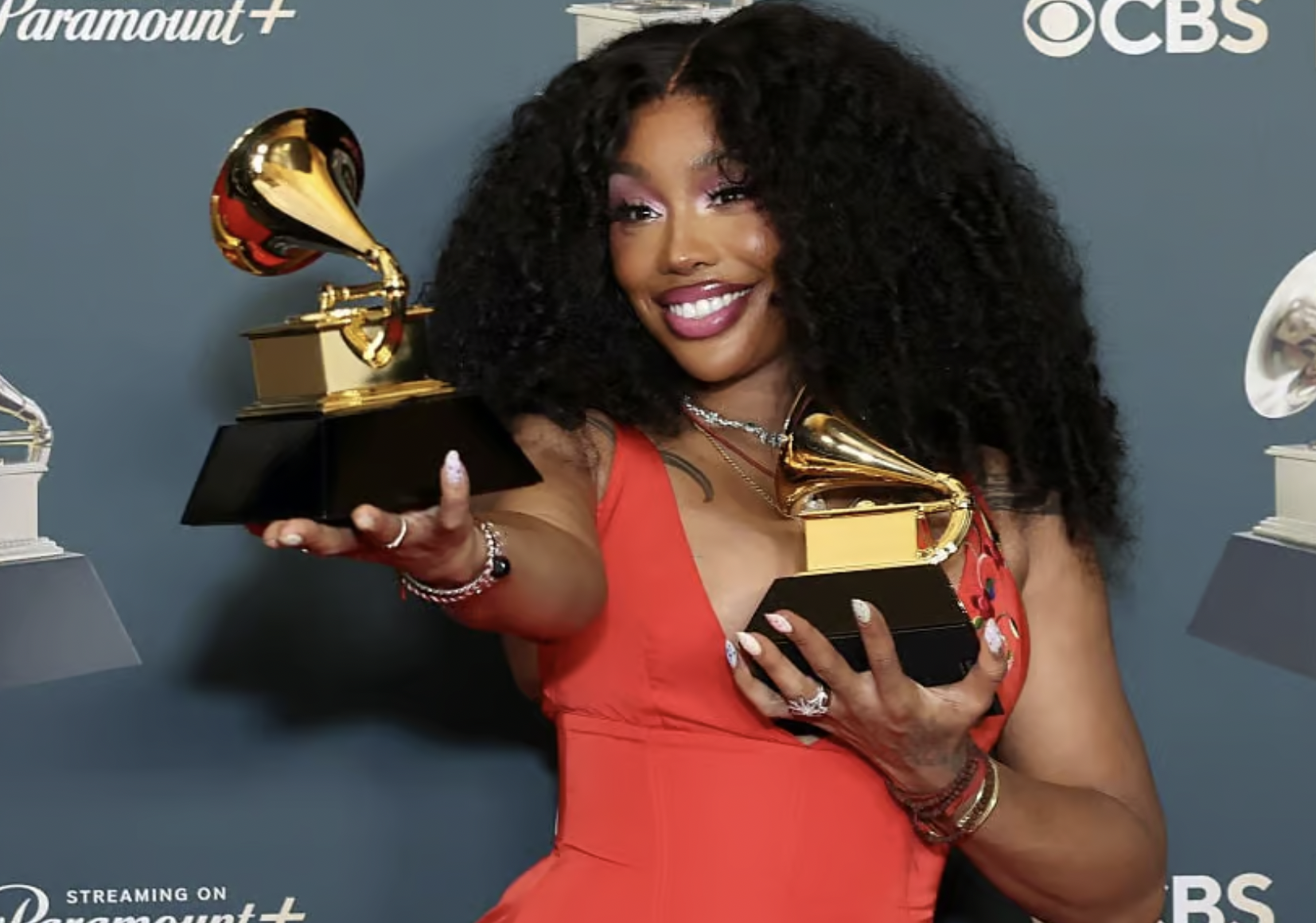
Four time Grammy Award-winning recording artist SZA has publicly condemned generative artificial intelligence developers after discovering that hundreds of her musical recordings were utilized as foundational training data. The R&B performer shared evidence on social media displaying an AI music database that logged two hundred thirty eight of her individual tracks as material used to train algorithmic models. The artist expressed deep concern that the compiled database included multiple unreleased songs, sparking an intense industry-wide dialogue regarding artistic consent, intellectual property ownership, and the historical extraction of Black cultural creativity.
The public call-out directly intersects with a massive corporate push to weave artificial intelligence into both the creative and structural operations of the media industry. While artists voice immense concern over the unauthorized scraping of their distinct vocal styles, tones, and melodies, media conglomerates are rapidly integrating automated systems. Warner Bros. Discovery recently announced a strategic partnership with Amazon Web Services to build autonomous AI advertising tools designed to optimize, forecast, and target ad content across linear and digital streaming platforms, demonstrating how corporate frameworks are prioritizing machine learning efficiency to drive media monetization.
The escalating tension arrives as the music sector engages in high-stakes legal battles over copyrighted data extraction. Major record labels have filed landmark lawsuits against prominent generative music platforms Suno and Udio, accusing the tech firms of mass copyright infringement by scraping commercial sound recordings without explicit permission.
While certain music industry figures like legendary producer Timbaland have embraced generative technologies to build new creative tools, SZA joins a growing coalition of contemporary artists, including Kehlani, who draw a firm boundary against automated replication. The ongoing dispute highlights a growing divide between technical optimization and human creator rights, emphasizing the critical need for robust copyright protections as corporate entertainment ecosystems rapidly adopt automated infrastructure.
About the Author