Musicbusinessworldwide.com
Taylor Swift is taking a decisive legal step to protect her identity in the age of artificial intelligence, filing trademark applications in the United States covering both her voice and visual likeness. The move signals a growing push from major artists to establish clearer ownership boundaries as AI-generated deepfakes become more widespread.
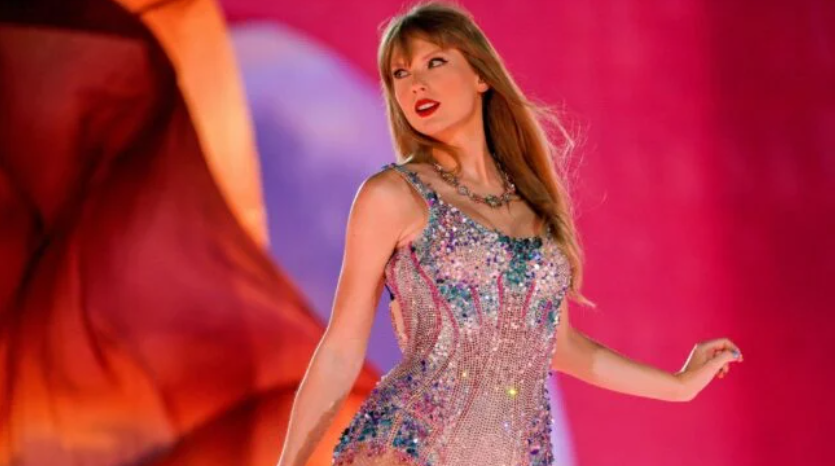
The filings, submitted to the United States Patent and Trademark Office, include audio clips of Swift introducing herself as well as imagery tied to her blockbuster The Eras Tour. The applications are registered under TAS Rights Management, her Tennessee-based business entity, and explicitly grant permission to trademark elements of her identity, including her voice, signature and image.
The legal maneuver follows a series of high-profile incidents involving AI-generated content using Swift’s likeness. In 2024, explicit deepfake images of the artist spread widely online, prompting the platform X to temporarily restrict searches related to her name. The episode intensified public and political scrutiny around the misuse of generative AI, particularly in cases involving non-consensual imagery.
Swift’s approach reflects a broader trend among public figures seeking legal safeguards against unauthorized digital replication. Matthew McConaughey has pursued similar protections, securing trademarks that cover his voice and appearance to prevent unapproved AI usage. Legal experts argue that such filings could become a critical enforcement tool, allowing celebrities to challenge misuse more directly in court.
At the same time, tech platforms are beginning to roll out their own defenses. YouTube recently expanded access to its AI likeness detection system, designed to help rights holders identify and flag unauthorized content. Meanwhile, companies like Spotify are testing new features that allow artists to review releases before they go live, aiming to curb impersonation and misattribution.
The issue extends beyond individual cases. The rise of convincing AI-generated music and imagery has forced the broader industry, including major labels like Sony Music, to take more aggressive action against fraudulent content. In recent months, the label has reportedly pushed for the removal of thousands of tracks believed to imitate its artists.
Swift’s filings highlight how quickly the rules around identity, ownership and consent are evolving. As AI tools continue to blur the line between real and synthetic, artists are increasingly turning to legal frameworks to retain control over how their voices and personas are used.
About the Author