Photo Credit: Complete Music Update
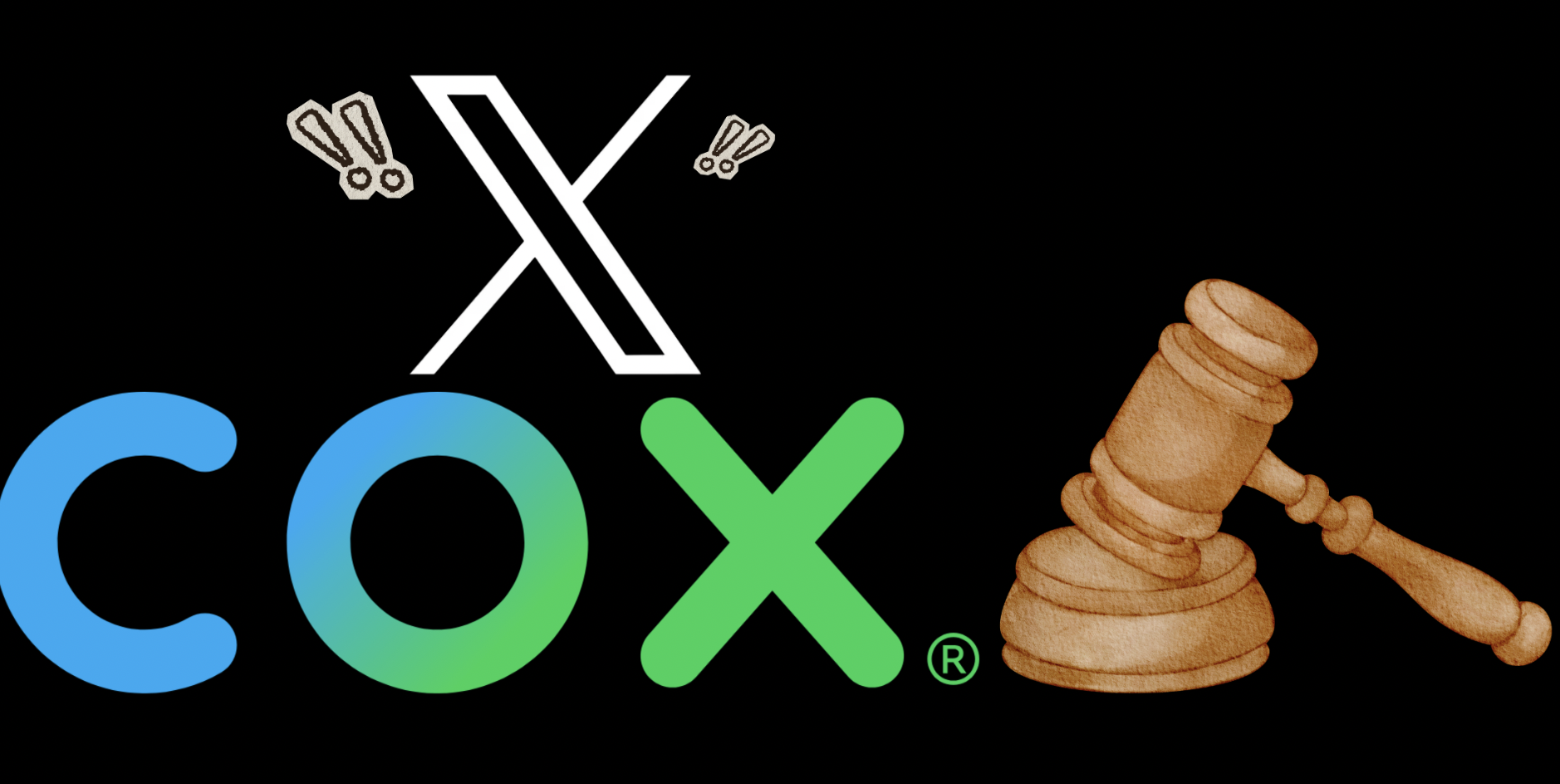
In a high-stakes legal maneuver, X (formerly Twitter) is now demanding the dismissal of a major copyright lawsuit brought by a coalition of music publishers. The core of their argument? A landmark U.S. Supreme Court ruling from March 25, 2026, which overturned a $1 billion judgment against Cox Communications.
The publishers, coordinated by the National Music Publishers Association (NMPA), originally sued X for both direct and contributory copyright infringement, alleging the platform hosts countless videos with unlicensed music. However, following the Supreme Court’s decision, X argues that the legal theories used to keep this case alive have officially “failed as a matter of law.”
The New “Intent” Standard
The Supreme Court’s ruling in Majors v. Cox has redefined contributory infringement in a way that favors tech platforms. According to the Court, a company can only be held liable if it meets one of two very narrow criteria:
- Tailoring: The service is “not capable of substantial non-infringing uses.”
- Inducement: The company “actively encourages infringement through specific acts.”
X’s legal team is hitting back hard, noting that the publishers never alleged “tailoring” because X is clearly used for billions of non-infringing posts. Furthermore, they argue there is no evidence that X “actively encouraged” users to pirate music.
The Death of the DMCA?
The industry’s big concern is that if X successfully applies the “Cox” ruling, the Digital Millennium Copyright Act (DMCA) could become obsolete. Traditionally, platforms used “Safe Harbor” protections to avoid liability by taking down infringing content. But if X can prove they aren’t liable for infringement to begin with, regardless of whether they take the videos down, the entire incentive for social media platforms to license music disappears.
While the RIAA argues the Cox ruling was “narrow” and only applies to ISPs, X claims that “virtually every” previous copyright case the publishers relied on is “no longer good law.” If Judge Aleta A. Trauger agrees, it could trigger a total collapse of the current music licensing model for social media.
About the Author