
AI Anxiety Meets Industry Optimism
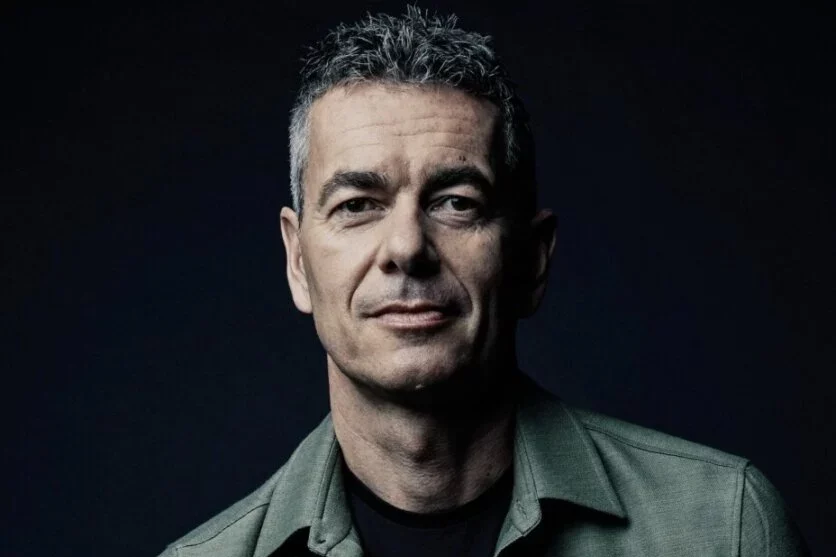
Warner Music Group CEO Robert Kyncl believes artificial intelligence could become one of the music industry’s most powerful growth drivers rather than a threat. In a letter published to Warner Music Group shareholders on March 3, 2026, Kyncl addressed concerns from analysts and investors who worry that AI-generated music could flood streaming platforms and dilute the value of recorded music. Instead, he argues that the technology will ultimately strengthen the role of artists, rights holders, and trusted music brands.
The debate intensified after a February 24 analyst note from Rothschild & Co Redburn warned that music companies could be particularly exposed to risks from generative AI. Kyncl pushed back on that view, pointing to the rapid growth of AI music tools. Streaming service Deezer reports that more than 60,000 AI-generated tracks are uploaded to its platform every day, while AI platform Suno alone generates around seven million tracks daily. While those numbers have sparked fears of oversupply, Kyncl says the industry should interpret them differently. “We see the same facts – but reach a different conclusion,” he wrote. “AI does not replace human artistry. It amplifies the importance of artists as familiar, beloved cultural icons in a jarringly noisy environment.”
Building a Licensed AI Music Ecosystem
Warner Music Group is already exploring how to turn that technological shift into a business opportunity. The company has signed licensing agreements with AI music platforms including Suno, Udio, Stability AI, and Klay, aiming to create monetization frameworks where AI tools operate as licensed partners rather than competitors. According to Warner CFO Armin Zerza, the Suno partnership alone could begin delivering meaningful revenue growth starting in fiscal 2027.
Kyncl argues that in a world flooded with AI-generated audio, audiences will increasingly gravitate toward trusted artists and recognizable brands. “In a world of near-infinite sound, what becomes scarce is trust,” he wrote, suggesting that established rightsholders may become even more important as curators of quality and authenticity.
New Strategies for Growing Music’s Value
Kyncl’s letter also outlines three major strategies for increasing the value of music in the coming years: raising streaming subscription prices, developing new offerings for high-spending “superfans,” and expanding direct digital licensing in music publishing. The opportunity could be substantial. Global music streaming reached 5.1 trillion on-demand streams in 2025, and Goldman Sachs forecasts that the recorded music industry could grow to $55 billion by 2035.
Ultimately, Kyncl believes the music industry is better positioned than other media sectors to adapt to technological change. While film and television companies face consolidation and uncertain revenue models, he argues that music’s global streaming infrastructure and loyal fan communities provide a strong foundation for growth.
For Warner Music Group, artificial intelligence is not simply a disruptive force—it is a strategic tool. By building licensed AI partnerships, strengthening artist-centric economics, and exploring new fan experiences, the company hopes to shape how the next generation of music technology evolves. If Kyncl’s vision proves correct, AI could help drive the industry’s next major expansion while reinforcing the value of human creativity.
About the Author