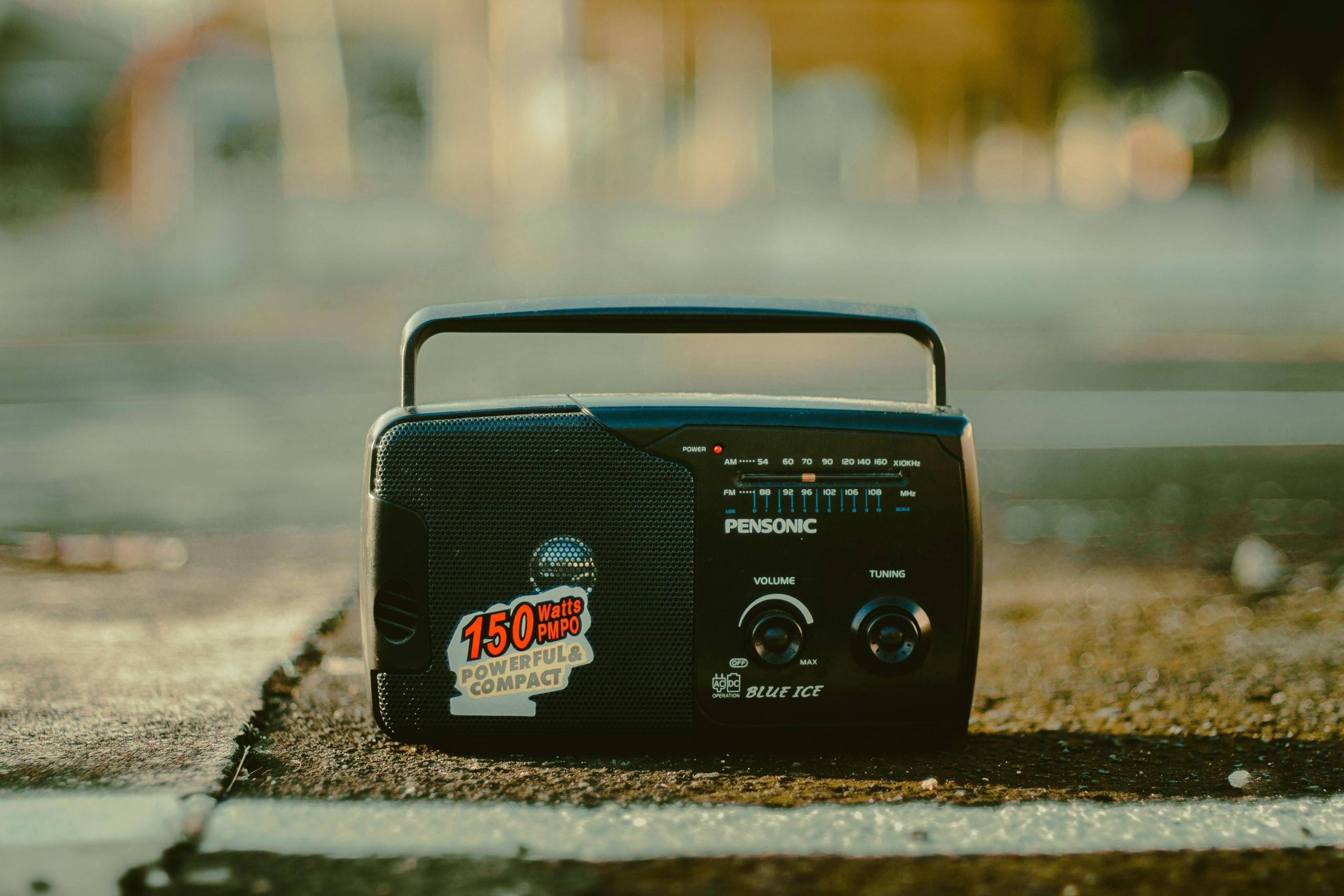
Today’s listeners are tuning in on smartphones, web browsers, and in-car digital dashboards—not traditional radios. In fact, it’s increasingly hard to even find standalone radios at major retailers like Target and Walmart, and many new vehicles no longer include them as standard. Like it or not, times they are a-changing, and for terrestrial radio to stay relevant, streaming can no longer be treated as a side project. It has to be a core part of the broadcast strategy.
Streaming Is No Longer Optional—It’s the Main Stage
Modern audiences expect seamless, high-quality audio across devices, whether they’re listening on mobile apps or dedicated streaming hardware. That means radio stations must invest in enterprise-grade streaming encoder systems, not consumer computers repurposed as servers. Industry standards like HLS (HTTP Live Streaming) and DASH are now the backbone of reliable digital delivery, offering better scalability and fewer interruptions than older methods. In contrast, legacy protocols like FLV, ICY, and RTMP rely on constant connections that are vulnerable to dropouts—when the connection breaks, every listener feels it.
The CDN Problem: Convenience with Caveats
To reach large online audiences, stations typically rely on Internet Service Providers (ISPs) and Content Distribution Networks (CDNs). CDNs can offer server management, redundancy, analytics, and media players, which is appealing for stations without in-house streaming expertise. But “buyer beware.” Many CDNs still operate on outdated technology, provide poor technical support, and even mishandle critical metadata—affecting not just listener experience, but also ad insertion and music licensing accuracy.
Some providers promote proprietary players and encoders that limit compatibility and audience reach. Others convert older streams into HLS on the fly, undermining the reliability benefits of modern streaming altogether. The result? Buffering, delayed “Now Playing” info, and frustrated listeners who quickly move on.
Cloud-Based Streaming: A Smarter Path Forward
An alternative is using simple cloud storage with standards-based delivery, eliminating the need for traditional streaming servers altogether. Services like Amazon AWS S3 and Microsoft Azure Blob can distribute HLS and DASH streams at scale with greater reliability and lower costs. Solutions such as StreamS HLSdirect and DASHdirect, along with compatible StreamS Encoders, are designed to work seamlessly across compliant ISPs and CDNs, ensuring streams play on virtually any modern device. Example stations like Big 8 Radio Motor City and Super 70s demonstrate what professional-grade streaming can look like in practice.
The Bottom Line
For radio broadcasters, streaming is no longer a digital accessory—it’s the primary gateway to today’s audience. Stations that invest in modern, standards-based technology, carefully vet CDN partners, and understand how their streams are delivered will be better positioned to protect both audience share and revenue. As resources like the Radio World ebook emphasize, learning how streaming really works isn’t just technical due diligence, it’s essential to surviving and thriving in radio’s digital future.
About the Author