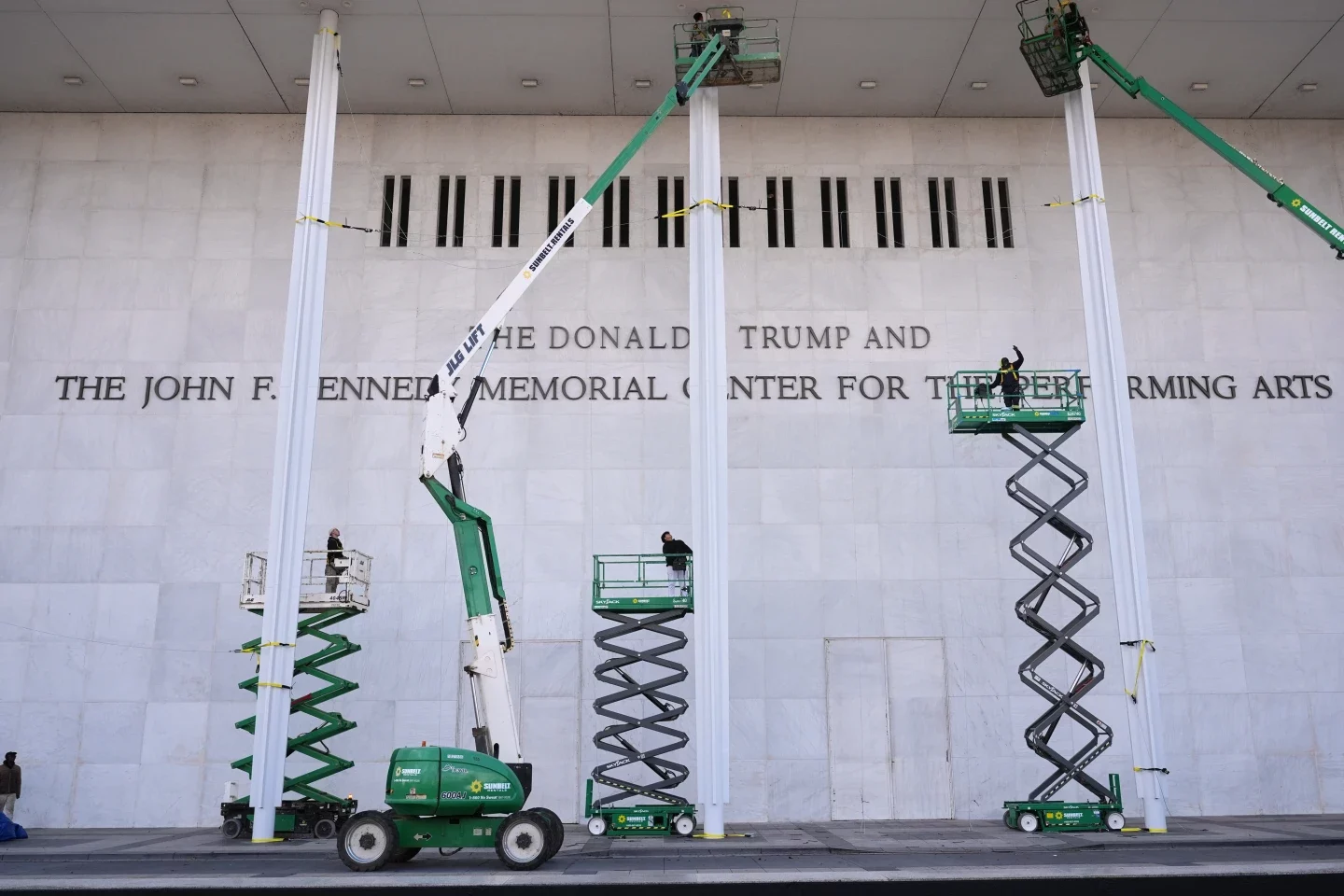
The Kennedy Center, long considered one of America’s most respected cultural institutions, is facing an unprecedented wave of artist cancellations. After former President Donald Trump’s name was added to the Washington, D.C. venue and a new, Trump-appointed board took control, musicians, dancers, and producers have begun withdrawing from scheduled performances. What began as an administrative decision has quickly evolved into a national debate about art, politics, and the role of public cultural spaces.
A Rapid Series of Artist Withdrawals
The most recent cancellations highlight how quickly tensions escalated. The Cookers, a renowned jazz supergroup, pulled out of their New Year’s Eve performance, stating that “the decision has come together very quickly” and emphasizing their desire for venues that can “celebrate the full presence of the music and everyone in it.” Shortly after, Doug Varone and Dancers announced they would cancel an April performance, saying they could no longer ask audiences to enter “this once great institution.” These announcements followed earlier withdrawals, including musician Chuck Redd’s Christmas Eve performance and canceled engagements from Issa Rae and the producers of Hamilton.
Cultural Objections and Political Pushback
Some artists have spoken more directly about their objections. Billy Harper, saxophonist and member of The Cookers, said he would “never even consider performing in a venue bearing a name… that represents overt racism and deliberate destruction of African American music and culture.” His remarks reflect broader concerns that the renaming signals a departure from the Kennedy Center’s original mission as a living memorial to President John F. Kennedy, established by Congress in 1964.
Kennedy Center leadership has responded sharply. Richard Grenell, appointed to lead the institution, dismissed the cancellations as politically motivated, arguing that the artists were booked by “previous far left leadership” and claiming they were “always unwilling to perform for everyone.” Grenell has also suggested possible legal action, further intensifying the dispute.
A Divided Arts Community
Not all artists agree with boycotting the venue. Bluegrass banjoist Randy Barrett, who plans to keep his scheduled performance, acknowledged being troubled by the politicization of the Kennedy Center but argued that “our tribalized country needs more music and art, not less.” His stance highlights a divide within the arts community over whether withdrawal or continued participation is the more constructive response.
With ticket sales declining and television viewership for the Kennedy Center Honors reportedly down 35%, the controversy underscores a growing conflict between politics and the arts. At its core, the situation raises a pressing question: can cultural institutions remain spaces of unity and expression, or have they become yet another arena shaped by political polarization?
About the Author