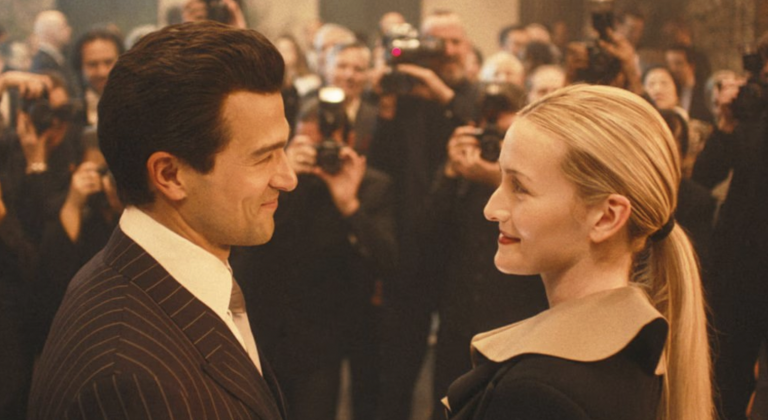
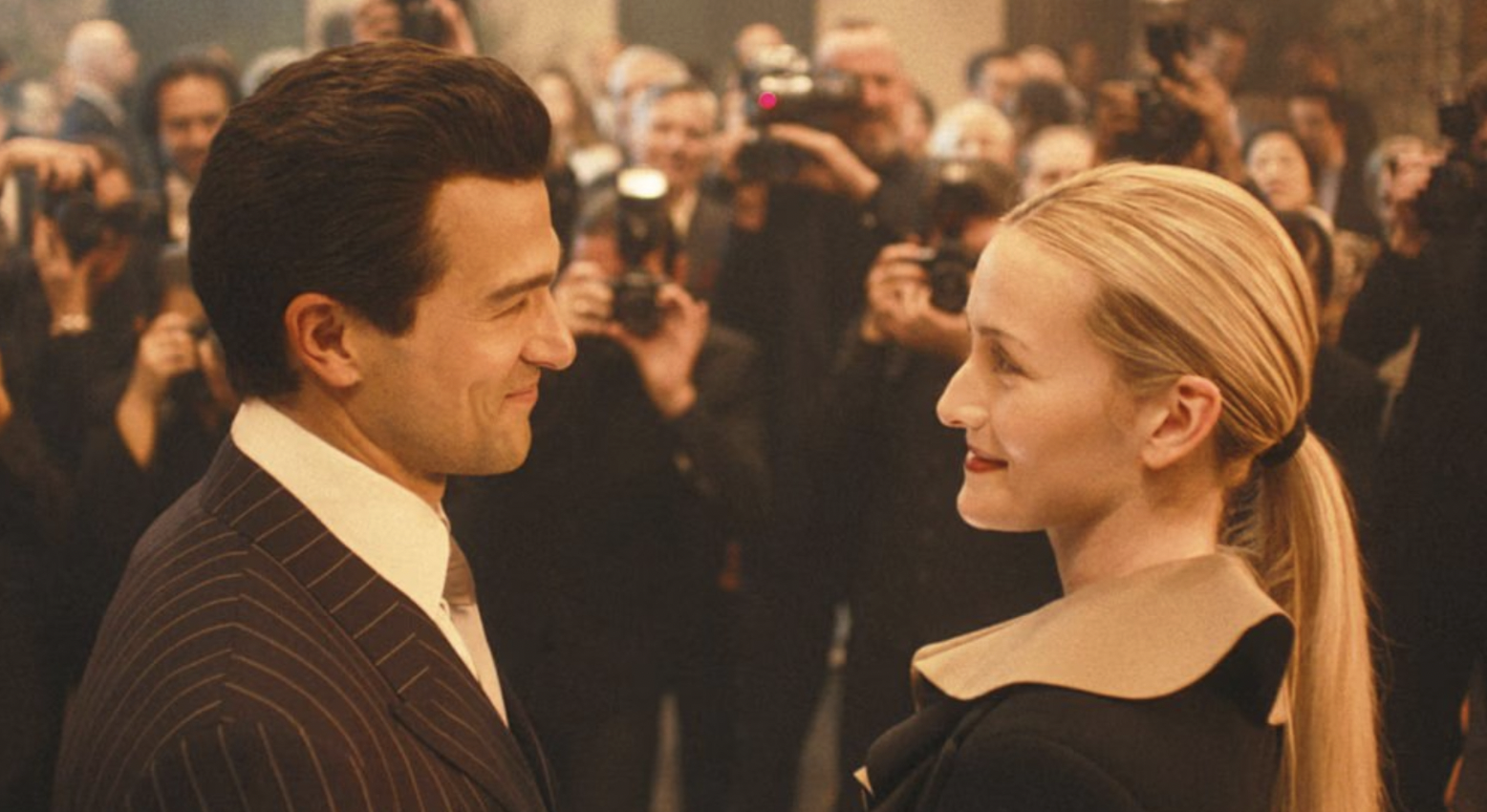
Love Story finale. Courtesy of FX
While fashion critics are busy dissecting the 90s minimalism of Love Story: John F. Kennedy Jr. and Carolyn Bessette, the music industry is focused on a different set of numbers. The FX anthology series has pulled off a rare chart sweep, holding four of the top 10 spots on Billboard’s Top TV Songs chart. For labels and publishers, the show has become a primary vehicle for catalog revitalization, proving that the right sync placement is now more valuable than a traditional ad spend.
The ROI of Period Authenticity
Music supervisor Jen Malone utilized a hyper authentic strategy that bypassed generic 90s hits in favor of era specific mood tracks. By strictly aligning songs with the specific year of the scene, the show created a time capsule effect that triggered core memories for Gen X while providing a discovery engine for Gen Z.
The High Value Clears: Securing Björk required a personal, vulnerable pitch from Malone herself. The result was a Human Behaviour placement that introduced the avant pop icon to a new generation of streamers.
The TikTok Effect: Tracks like Lenny Kravitz’s It Ain’t Over Til It’s Over have seen a massive resurgence, not just through the show, but through thousands of fan created style videos on TikTok.
From Score to Store
The business impact of Love Story extends beyond the digital space. Much like the show’s influence on New York City foot traffic at filming locations, the soundtrack is driving physical consumer behavior. From women overrunning stores to buy signature headbands to the sudden demand for Stereolab and Cocteau Twins vinyl, the show proves that a curated aesthetic is a powerful sales tool in 2026.
As the finale utilizes Dido’s Here With Me to anchor its emotional climax, the industry takeaway is clear. In the streaming era, the music supervisor is the new A and R, and the sync is the new radio.
About the Author