Photo Credit: The Japan Times
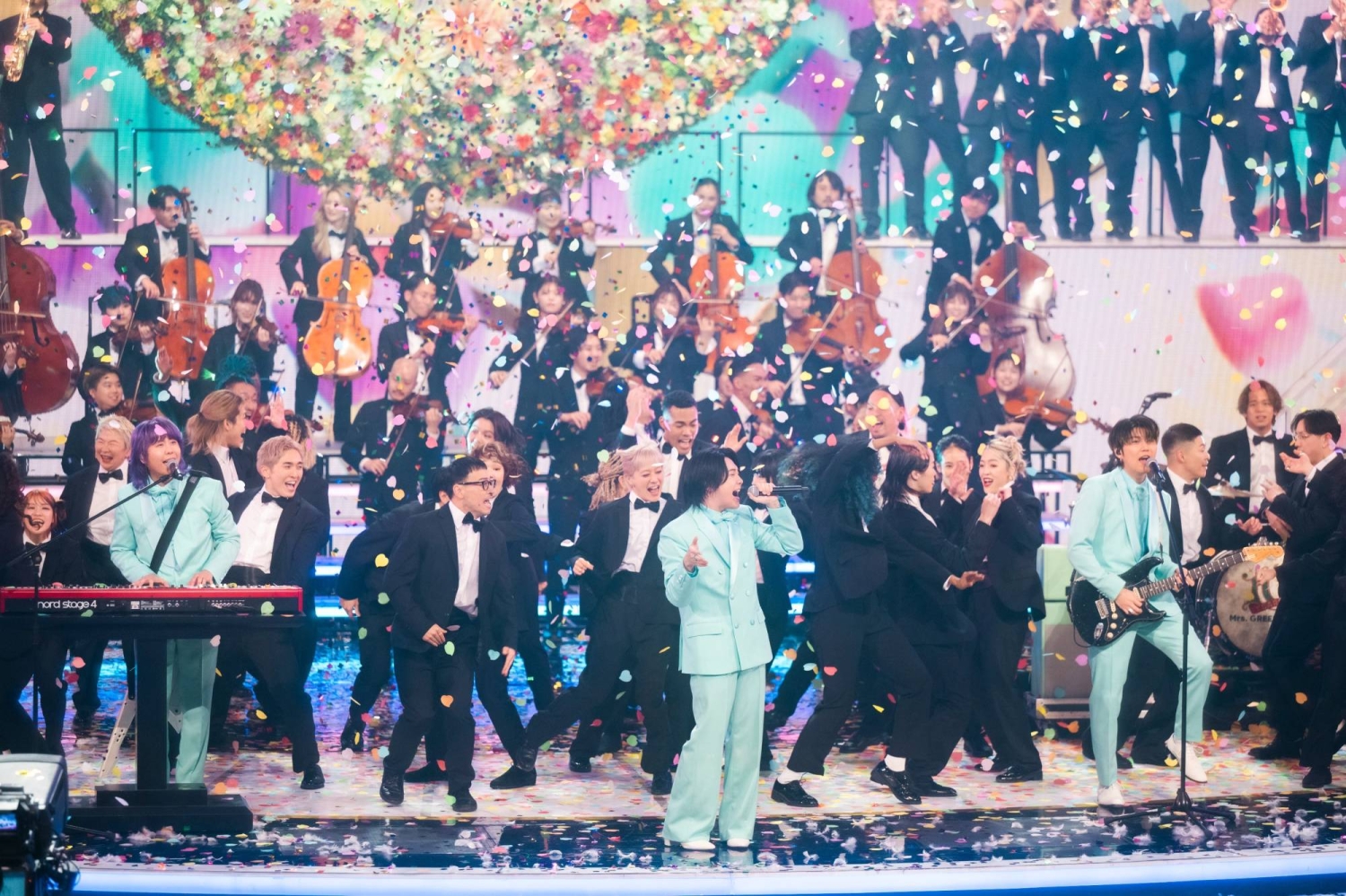
For decades, the 76th Annual Kohaku Uta Gassen was whispered to be a relic of the past—a massive, four-hour musical broadcast struggling to find its footing in the digital age. However, on New Year’s Eve 2025, the show proved its critics wrong. Not only did it capture a massive 35.2% viewership rating, but it also served as a vibrant reminder of what happens when a nation’s pop culture celebrates its present as much as its past. While American viewers were left with nostalgic throwbacks, Japan enjoyed a high-octane celebration of J-pop that felt undeniably current.
A Masterclass in Musical Storytelling
What set the 2025 edition apart was its unique position within NHK’s 100th anniversary. The broadcast felt weighted with historical gravity, yet it remained incredibly fresh. The night was anchored by emotional milestones, most notably the final performance of the techno-pop trio Perfume before their announced “cold sleep.” Their rendition of “Polyrhythm” ended with a stunning visual dissolution that left fans in tears.
Other highlights showcased the sheer creativity of the modern J-pop scene:
- Hoshino Gen performed from the Nintendo Museum in Kyoto, jamming with legendary composer Koji Kando.
- Kenshi Yonezu delivered a surreal performance involving a giant shark on a deserted freeway.
- Hiromi Go, a staple since the 70s, retired from the show with a high-energy “swan song,” passing the torch to a new generation of idols and rockers.
Bridging the Generational Gap
Unlike other year-end specials that rely heavily on “legacy acts,” Kohaku successfully balanced nostalgia with modern relevance. It wasn’t just about looking back; it was about the intersection of eras. Viewers could watch veteran rockers like B’z followed by viral sensations like FRUITS ZIPPER. This diversity prevented the “fragmentation” that plagues most modern media. By bringing together disparate genres—from traditional enka to high-energy afrobeats and electronic pop—NHK created a “monoculture” moment where everyone, from grandparents to Gen Z, found a reason to stay tuned.
Why Kohaku Still Matters
As we enter 2026, the success of the 76th Kohaku offers a valuable lesson in entertainment: culture thrives when it builds a community. While the American Rockin’ New Year’s Eve felt like a collection of disconnected performances, Kohaku felt like a unified festival. It honored the artists who defined the last twelve months while providing a hopeful glimpse into the future of Japanese entertainment.
About the Author