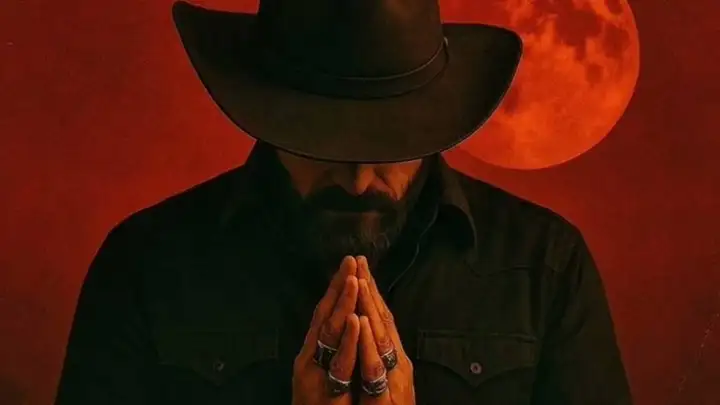
The AI-generated country act Breaking Rust scored a surprising semi-hit recently when its track, “Walk My Walk,” topped Billboard’s Country Digital Song Sales chart and amassed over 7 million Spotify streams. However, the track’s success was quickly overshadowed by a growing controversy that illustrates the messy, challenging reality of AI music fakery. The issue isn’t just about a single song—it’s about the unauthorized theft of real artists’ identities, styles, and livelihoods.
Dual Accusations and a Shocking Connection
The controversy exploded when “Walk My Walk” was briefly removed from Spotify following an impersonation claim. The claimant was independent country artist Bryan Elijah Smith, who accused Breaking Rust of “stealing elements of my music, my style and even my image.” Smith, who has independently built his career for 17 years, noted that AI acts were copying the niche branding he created and presenting themselves as original creators when the songs are “fully generated by Suno AI in seconds.” His concern echoes the fear of many independent creators: that anonymous AI acts are “hijack[ing] algorithms with a flood of releases” and cutting into their limited revenue pool.
Simultaneously, Grammy-nominated artist Blanco Brown came forward, accusing “Walk My Walk” of ripping off his distinct vocal style. His manager, Ryan McMahan of Oath Management, made a powerful statement, saying that “Ai can run a formula. it cannot recreate Blanco’s life experience… or the lifetime of emotions that shaped his artistic voice.” In a bold move, Brown recorded a cover version of the AI track, showing the world “what happens when real soul, real craft, and real art stand next to something built by AI.” Further complicating the matter, an Associated Press investigation linked Aubierre Rivaldo Taylor, the credited songwriter for Breaking Rust, to Abraham Abushmais, a former Brown collaborator.
An Industry-Wide Threat to Human Artistry
The Breaking Rust saga isn’t an isolated incident. Cases involving British singer Jorja Smith (whose label FAMM fought the AI track I Run) and Victoria Monét (whose name resembles the AI artist Xania Monét) show a growing pattern. What makes the Breaking Rust case so significant is the double claim: two separate, major artists believe the same AI act has ripped off their work—one on identity and one on vocal mimicry.
The music industry is now facing a looming challenge. As Smith aptly put it, “Every independent artist is at risk.” This growing crisis necessitates industry-wide discussions about transparency and accountability. The key takeaway is clear: while AI can mimic, it cannot replicate the humanity and conviction of a real artist. To protect creators, many, including FAMM, are calling for mandatory labelling of all AI-generated content.
About the Author