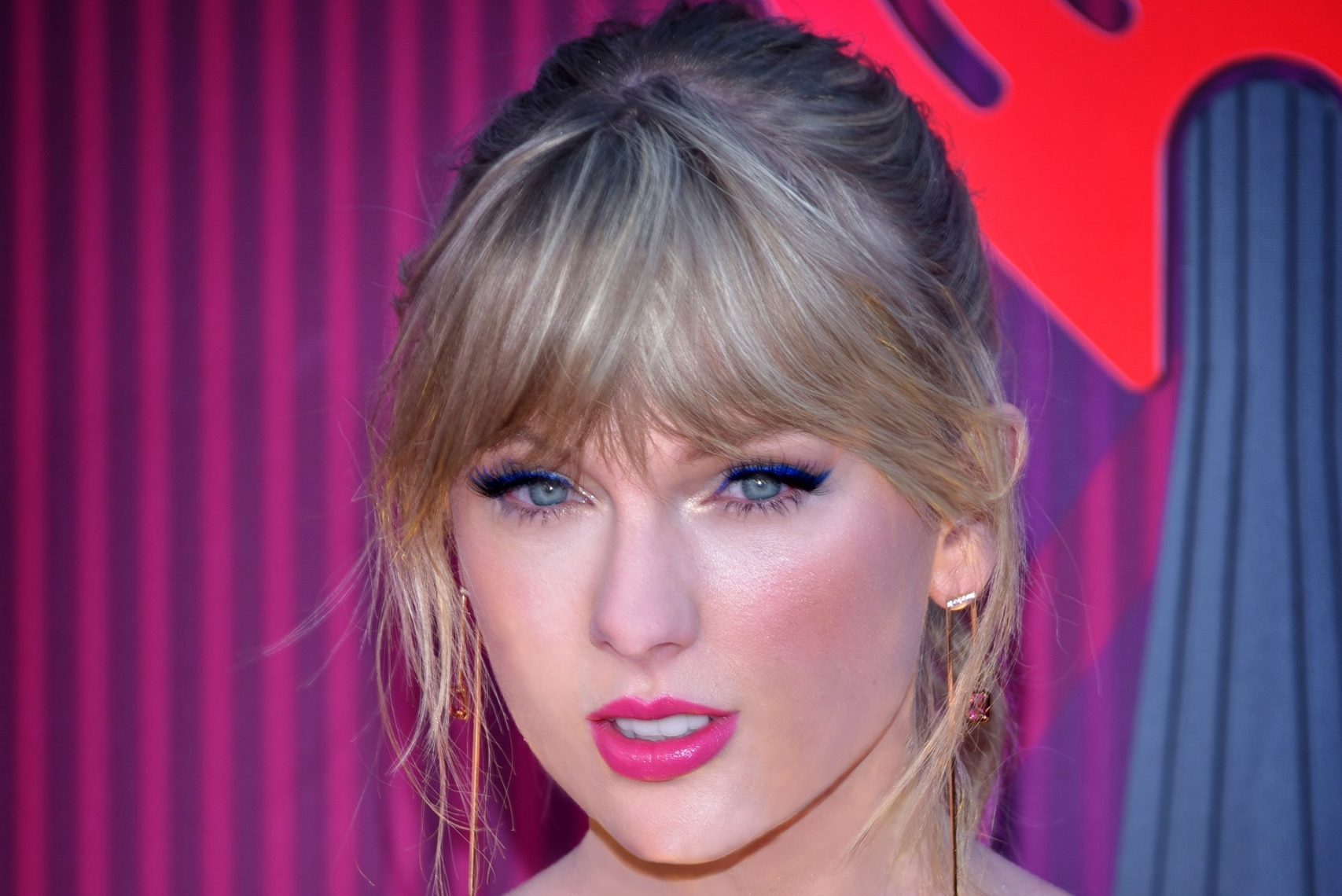
Taylor Swift at the iHeartRadio Music Awards 2019 | © Glenn Francis, www.PacificProDigital.com
A proposed bedding brand called “Swift Home” has been pulled from consideration after a legal challenge from Taylor Swift. The application, filed by home goods company Cathay Home, was officially withdrawn following an appeal lodged with the US Patent and Trademark Office (USPTO). At the center of the dispute was a familiar question in intellectual property law: could the branding mislead consumers into believing the singer endorsed the products?
A Trademark Application Sparks Objection
Cathay Home applied in late 2025 to trademark “Swift Home” for a line of bedding items sold through major retailers. On 11 February, Swift’s legal team filed a notice with the USPTO seeking to block the registration.
In its appeal submitted last week, Swift’s team argued that the company’s stylized cursive rendering of the word “Swift” closely resembled her trademarked script logo. According to the filing, the branding created a “false association” and appeared intended to capitalize on her “goodwill and recognition.”
Side-by-side comparisons submitted by Venable LLP showed both designs featuring “Swift” in flowing cursive, reinforcing the claim that consumers could be confused about a possible endorsement.
Why Brand Protection Matters
Swift’s legal strategy reflects a broader pattern. The artist holds federal trademarks protecting her name and designs across categories including bedding, clothing, and music-related merchandise. She has filed more than 300 trademarks globally, securing album titles, initials, and even select lyrics.
In today’s marketplace, celebrity names function as powerful commercial assets. For globally recognized figures, trademark enforcement is less about confrontation and more about safeguarding long-term brand value and preventing dilution.
A Practical Business Decision
Cathay Home ultimately chose to withdraw its application. A company representative told the BBC that the mark was not “essential to its business.” Ting Geng of Geng and Associates described the move as pragmatic, stating, “Such decisions are often practical and commercially sensible.” The company also referenced a prior “consent-to-coexist agreement” with Swift’s team over another registered mark.
The episode underscores a key takeaway: when branding overlaps with a globally recognized personal trademark, due diligence is essential. In a world where celebrity identity is tightly protected intellectual property, even a name on bedding can become a high-stakes legal matter.
About the Author