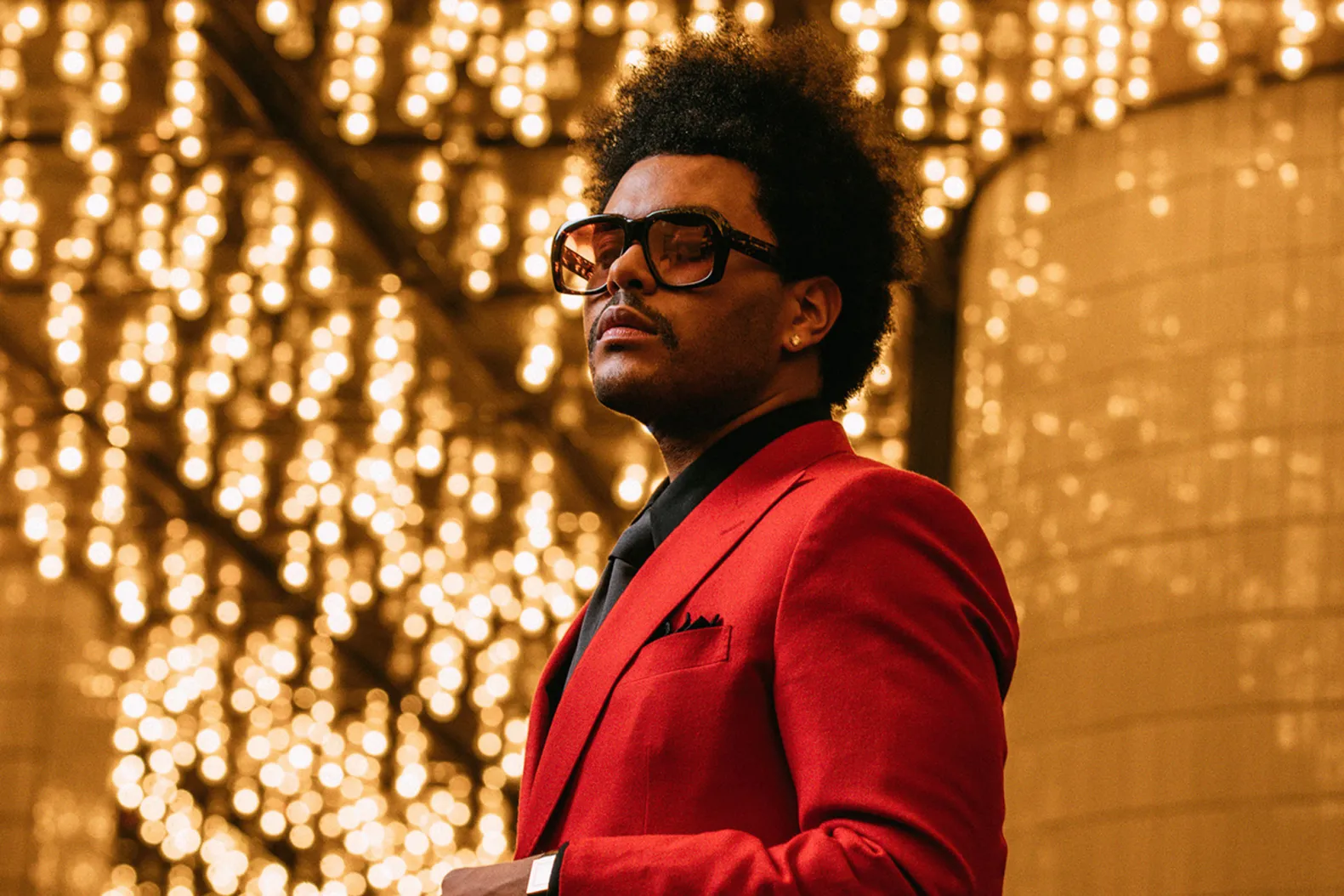
Credit: Rolling Stone
In a massive power move, The Weeknd (Abel Tesfaye) has finalized a $1 billion music catalog deal with Lyric Capital Group. While big-money sales are common, this deal is different. Instead of a traditional “buy-out,” Abel is reinventing the business model. He secured a billion-dollar payout while keeping creative control and a major stake in his legacy.
Not a Sale, But a Partnership
Most artists “sell their soul” to investors by handing over 100% of their rights. The Weeknd refused. This deal is structured as a joint venture, meaning:
- Ownership: Abel and his team remain active shareholders.
- Creative Control: The artist retains the final say over his music’s use.
- Scope: The deal covers his publishing rights and master recordings from 2011 through 2025.
- Future Freedom: Future releases are excluded, allowing him to sign new deals later.
Why This Sets a New Standard
The Weeknd isn’t just a singer; he’s a streaming titan. With over 120 million monthly Spotify listeners, he had the leverage to demand better terms. His hit “Blinding Lights” is the most-streamed song in history, making his music rights some of the most valuable assets in the world.
By partnering with Lyric Capital—which owns Spirit Music Group—Abel is treated as a business partner rather than an employee. This shifts the power back to creators, proving you don’t have to lose your masters to get a massive payday.
Key Takeaways for the Music Business
The Weeknd’s $1 billion deal is a blueprint for the modern superstar. He achieved liquidity without losing legacy. As companies like Universal Music Group and Chord Music Partners continue to invest billions in songs, this “Abel Model” proves that artist equity is the future of the industry.
About the Author