Courtesy of SOPA/Alamy
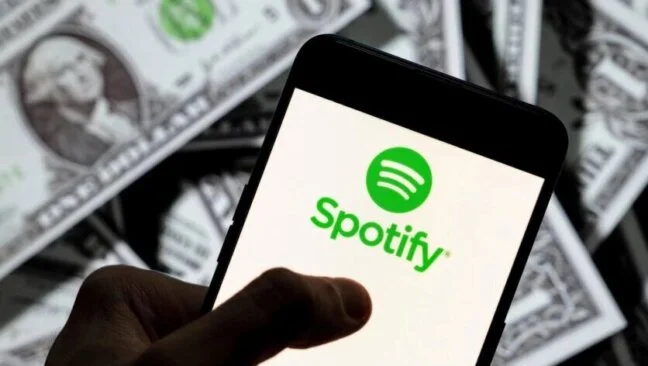
A recent data breach involving Spotify’s catalog is sending fresh shockwaves through the music industry, especially among independent artists already struggling to make streaming economics work.
A shadow-library group has claimed it copied massive portions of Spotify’s library, including audio files and detailed metadata. While Spotify says it has shut down the accounts involved, the incident underscores a larger reality of the modern music business. Once music lives inside massive platforms, it can be copied and repurposed at a scale that artists and rights holders can’t realistically control.
For musicians, the implications are serious. Streaming already pays fractions of a cent per play, and large-scale copying further weakens the idea of platforms as reliable sources of income. If complete libraries can be mirrored elsewhere without ads, royalties, or reporting, streaming’s role shifts even more toward promotion rather than pay.
The scrape also raises concerns about artificial intelligence (AI). Clean, well-organized music catalogs are ideal training material for AI systems, which increases fears that artists’ work and styles could be absorbed into new technologies without consent or compensation.
Beyond the audio itself, the theft of metadata poses another risk. That information is how credits and payments are tracked, and once it’s separated from official systems, attribution and royalties become harder to enforce, especially for independent artists who already struggle to protect their rights.
Perhaps most significantly, the incident highlights how much leverage artists lose when their careers depend on platforms they don’t control. Even as streaming numbers continue to dominate industry conversations, this episode shows how fragile that system has become, and how little power individual musicians have when things go wrong.
As the industry moves into 2026, the Spotify scrape is likely to intensify calls for artists to build more direct relationships with fans and rely less on any single platform to sustain their careers.
About the Author