AI Takes Center Stage at NAMM and the Grammys
Over the last fortnight, conversations about artificial intelligence dominated both the NAMM Conference and Grammys Week. AI-powered tools sat alongside traditional instruments on the NAMM floor, while at the Grammy Awards, Recording Academy CEO Harvey Mason reaffirmed that “only human creators” are eligible for awards. Grammy winner Jon Batiste echoed the concern, urging audiences to “protect our humanity in music right now.” These moments reflect a growing anxiety across the industry — but they also reveal how quickly discussions about AI collapse into a simple binary: AI bad, human good.
Why the Binary Framing Falls Apart
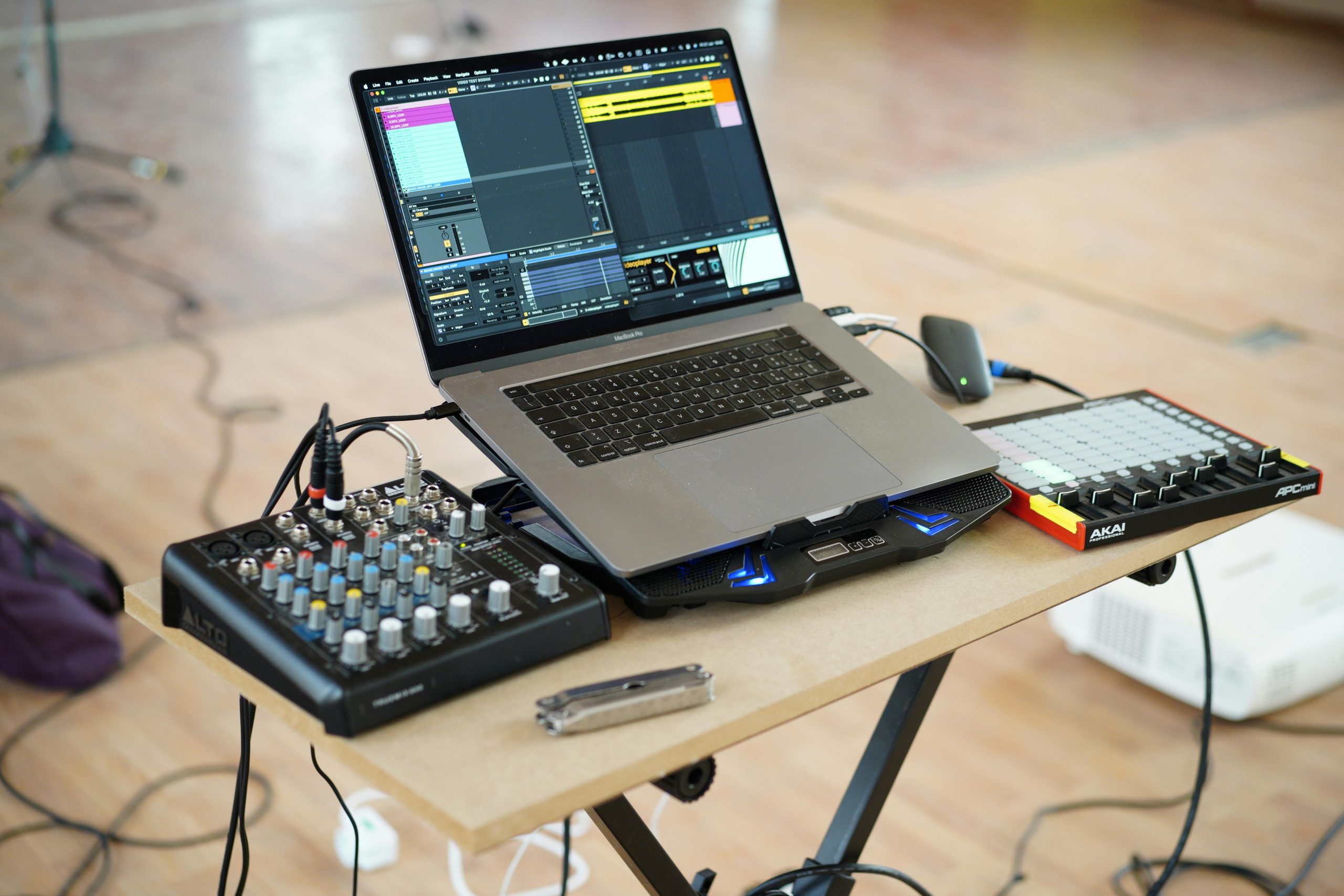
In reality, music creation has never been that clear-cut. As speakers at NAMM emphasized, the idea of “purely human-created” music is increasingly an oxymoron. AI-driven tools have been embedded in music production software for years, quietly shaping how songs are written, recorded, and mixed. The boundaries between AI-generated, AI-assisted, and human-led music are already deeply blurred.
Despite this, policy responses often lack nuance. Bandcamp’s recent ban on AI-generated music, for example, aims to protect artists but has already resulted in legitimate musicians seeing their work removed after being flagged as suspicious. Measures designed to defend creativity risk undermining the very people they intend to support.
Artists Using AI as Creative Collaboration
The most overlooked voices in this debate are artists using AI as a collaborator rather than a replacement. Audiovisual artist Portrait XO treats AI as a co-creator, while Arca has used machine learning to warp vocals and build performance avatars, including work presented at the Museum of Modern Art. Similarly, Holly Herndon has explored identity by building her own AI-based vocal instrument. As Herndon told The New Yorker, AI will almost certainly unleash an “endless hose” of low-quality media — but that will not be the only outcome.
The deeper issue lies in outdated infrastructure. In the United States, AI-generated work cannot hold copyright, even when artists train models exclusively on their own material. If copyright law exists to incentivize creativity, this represents a growing blind spot. Writer Katherine Dee has argued that critics often fail by searching for new cultural forms in old places — a mistake echoed by the entertainment industry’s early dismissal of TikTok sketch comedy before it was later reframed as “micro-dramas.”
Making Room for the Grey Zone
The future of music will depend on whether the industry can move beyond defensive, binary thinking. Embracing the grey zone — where human artists and AI collaborate — means rethinking licensing, attribution, and monetization frameworks in ways that empower creators. Rather than treating AI as an existential threat, the industry has an opportunity to shape equitable systems that allow entirely new forms of musical expression to emerge.
About the Author