Rollingstone.com
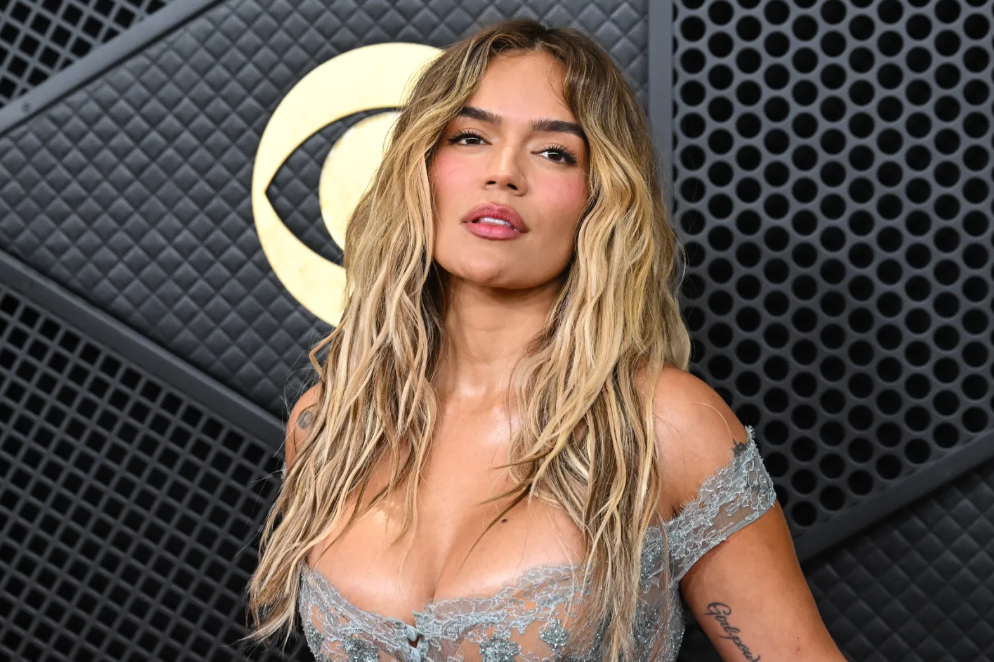
In a surprising turn that’s rare in modern copyright fights, two producers who accused Karol G of stealing a beat have not only dropped their lawsuit but have also publicly admitted they were wrong.
The dispute centered on “Gatúbela,” a track from her album “Mañana Será Bonito.” Last year, producers Ocean Vibes (Jack Hernandez) and Alfr3d Beats (Dick Alfredo Caballero Rodriguez) alleged that the song copied core elements from their earlier release, “Punto G.” They filed suit claiming the similarities were obvious and intentional.
This week, however, court filings revealed a full reversal. The producers agreed to voluntarily dismiss the case and issue a formal apology across their social platforms. In a written statement submitted to the court, they acknowledged that studio session materials demonstrated that DJ Maff, who worked on “Gatúbela,” had created and recorded the instrumental before “Punto G” was ever released.
“Given this evidence,” they wrote, they were withdrawing their claims and apologizing to both Karol G and DJ Maff for what they described as incorrect accusations.
Such explicit admissions are highly unusual in song infringement cases. Disputes over alleged copying frequently end in quiet settlements or dismissals, often without either side conceding fault. Public apologies, particularly ones acknowledging error, are almost unheard of.
Industry observers note that defendants in copyright cases can, under certain circumstances, seek reimbursement for legal fees. In recent years, artists like Mariah Carey and Nelly have successfully pursued costs after defeating infringement claims. The possibility of six-figure fee awards can significantly raise the stakes for plaintiffs.
Released in early 2023, “Mañana Será Bonito” became a giant project, earning album of the year at the Latin Grammys and topping the Billboard 200, making Karol G the first woman to have an all-Spanish-language album at No. 1. “Gatúbela” also performed strongly on U.S. charts, further amplifying scrutiny around the case.
With the lawsuit now formally withdrawn, the episode closes as a rare example of an accuser publicly walking back a high-profile music copyright claim.
About the Author