
Liza_Minnelli honored in Gray Line New York’s "Ride of Fame" in March 2011 | Credit Joella Marano | CC BY-SA 2.0
A Legendary Voice Meets New Technology
At 79, Liza Minnelli is proving that innovation doesn’t have an age limit. The EGOT-winning performer and Cabaret icon has released her first new track in years, created in collaboration with generative AI company ElevenLabs. While artificial intelligence shaped the music around her, Minnelli’s vocals remain entirely her own—an intentional choice that highlights how AI can support, rather than replace, human artistry.
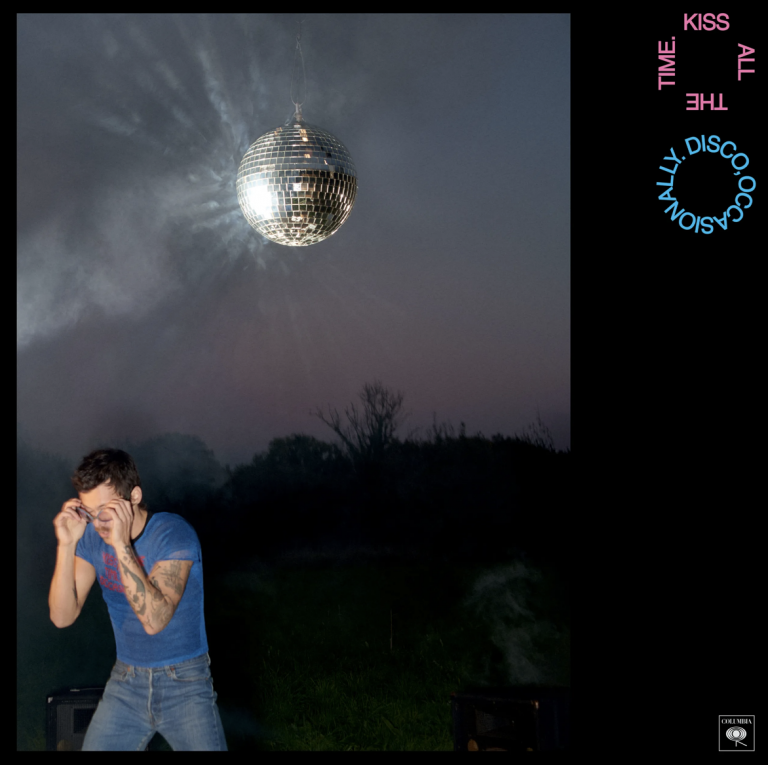
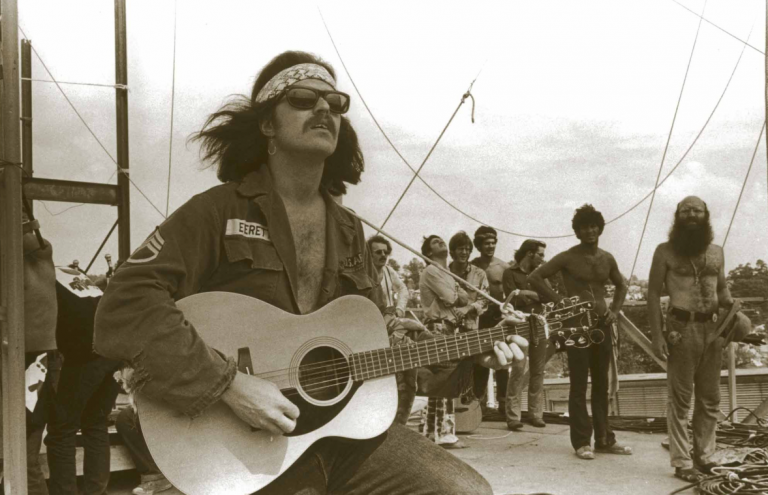
The track appears on The Eleven Album, ElevenLabs’ first music project, which also features contributions from artists with massive streaming followings, including Art Garfunkel, Bay Area rapper Iamsu!, and Nashville songwriter Emily Falvey. ElevenLabs, founded by Mati Staniszewski and Piotr Dąbkowski and backed by investors including Matthew McConaughey, is best known for creating realistic voice avatars. But in this case, the company flipped its usual model: Minnelli recorded authentic vocals, while the musical arrangement was generated using text prompts that guide genre, tempo, instrumentation, and even lyrical structure.
How AI Was Used—And What Stayed Human
According to Dustin Blank, ElevenLabs’ Head of Partnerships, the relationship between Minnelli and the company began after ElevenLabs licensed and recreated the voice of her mother, Judy Garland. “We developed a relationship from there,” Blank said, noting that many veteran artists have shown “curiosity” rather than fear when encountering new creative tools. To train its music model, ElevenLabs worked with independent-rights organizations like Merlin Network and Kobalt Music Group, ensuring that the data used reflects licensed, compensated catalogs rather than scraped material.
Minnelli herself framed the project as an extension of her long history of embracing new formats and sounds. From redefining television performance with NBC’s Liza With a Z in 1972 to collaborating with the Pet Shop Boys on 1989’s Results, she has often been ahead of the curve. In a statement, she said the technology allowed her to use her “voice and new tools in service of expression, not instead of it.”
Why Ethical AI Matters to Artists
The timing may also be right. A recent Morgan Stanley survey found that more than half of young listeners in the U.S. already consume hours of AI-generated music each week. ElevenLabs is betting that responsible partnerships with well-known artists—along with programs like its Iconic Voice Marketplace, which includes voices from figures like Michael Caine—can help normalize ethical, consent-based AI use in entertainment. Blank added that trust comes from companies that demonstrate they are being “responsible,” particularly when it comes to artist control and fair compensation.
Minnelli’s AI-assisted release sends a clear message: the future of music doesn’t have to be a battle between technology and tradition. When artists remain in control of their voices and rights, AI can become another instrument in the studio—one that expands creative possibilities while keeping the spotlight exactly where Minnelli says it belongs: “All eyes on me.”
About the Author