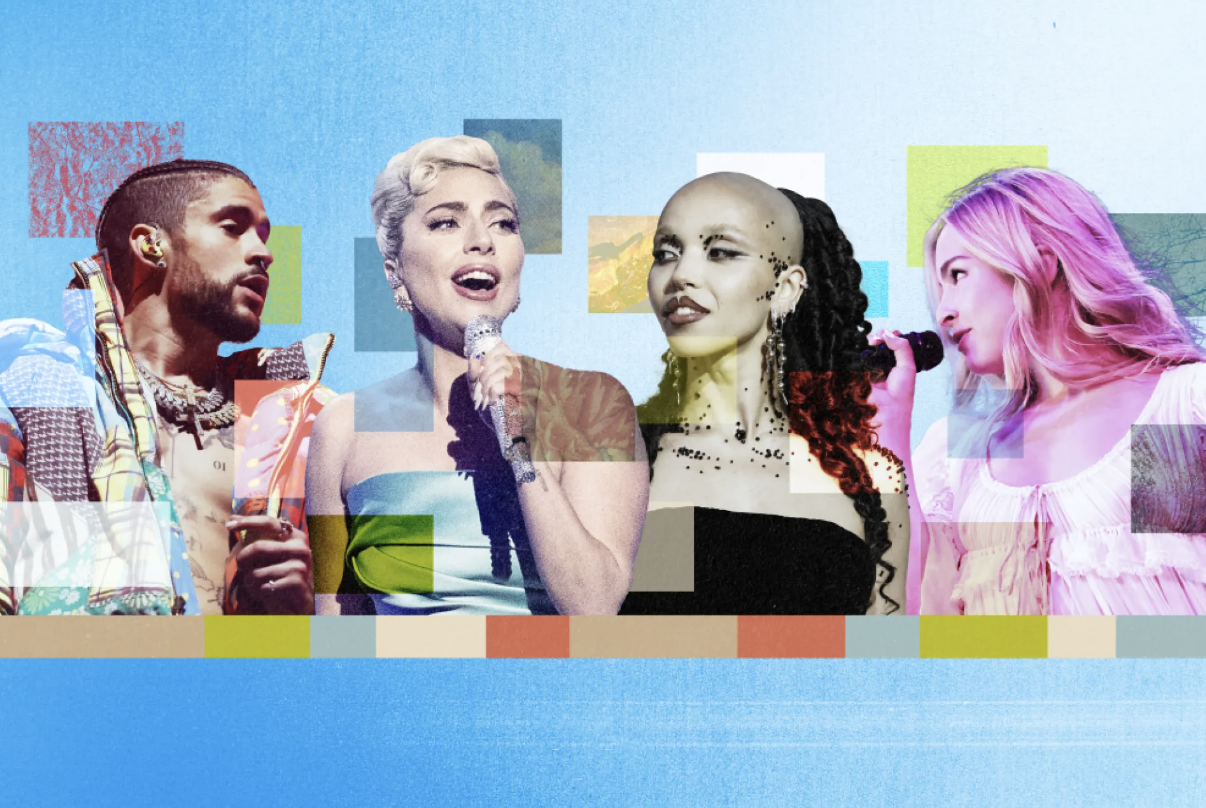
Collage: Variety; Photos: Getty Images
As global revenue surpasses $30 billion, the music industry is entering a new phase defined less by recovery and more by structural change. From how artists monetize fans to how they define their roles, the business is shifting toward scale, control, and creative ownership.
The $30 Billion Moment
The global recorded music industry generated $31.7 billion in 2025, marking its eleventh consecutive year of growth. Streaming accounted for $22 billion of that total, driven by 837 million paid subscribers worldwide, while physical sales reached $5.3 billion, boosted by a continued resurgence in vinyl.
Growth is also accelerating, signaling a shift from post-streaming recovery into a phase focused on expansion and higher-margin revenue.
Key Points:
- Paid streaming subscribers reached 837 million globally
- Revenue growth accelerated year-over-year
- Vinyl and physical formats remain a high-value niche
- Industry focus is shifting from user growth to revenue per user
- Premium tiers and exclusive releases are driving higher spend
The Publishing Reset
Publishing is moving toward more flexible, data-driven partnerships as major artists rethink traditional deals. New agreements are increasingly centered on transparency, global reach, and real-time royalty tracking rather than long-term exclusivity.
This reflects a broader shift toward artist-first infrastructure, where control and visibility over earnings are becoming just as important as upfront advances.
Key Points:
- Artists are seeking more control over rights and royalty transparency
- Tech-driven administration is replacing legacy publishing systems
- Global partnerships are becoming more customized and flexible
- Boutique firms and data-focused companies are gaining influence
- Expect increased deal movement as major contracts expire
The Director Era
Artists are expanding beyond music into film, fashion, and long-form content, redefining their role in the industry. Music is increasingly acting as the entry point for broader creative ecosystems rather than the final product.
As a result, more artists are taking on executive producer roles and launching their own creative ventures, allowing them to maintain ownership across multiple formats.
Key Points:
- Artists are taking on production and executive roles across media
- Music is increasingly tied to visual and narrative storytelling
- Cross-industry partnerships with film and streaming platforms are growing
- Ownership and creative control are becoming central priorities
- The artist-as-director model is gaining traction
The Global New Wave
Genres like Latin Afrobeats and modern salsa are scaling beyond regional markets, supported by stronger visual branding, global streaming platforms, and major label investment. Artists are now able to build international audiences faster than ever.
This shift is redefining what “global success” looks like, with performance across multiple regions becoming more important than dominance in a single market.
Key Points:
- Global audiences are expanding through streaming and social platforms
- Visual identity and high-quality production are driving reach
- Major labels are investing more heavily in regional genres
- Cross-market performance is becoming a key success metric
- “Regional” music is increasingly global in impact
The Hybrid Artist Pipeline
A new class of artists is emerging outside traditional genre and industry pathways. These hybrid creators are blending styles, influences, and cultural identities while building audiences independently through digital platforms.
Their rise reflects a broader shift away from rigid genre categories and toward more fluid, audience-driven models of success.
Key Points:
- Genre boundaries are becoming less relevant
- Artists are building audiences before industry backing
- Cross-cultural influence is shaping new sounds
- Independent growth is becoming more viable at scale
- Flexibility and identity are key to breakout success
The Big Picture
The music industry is shifting toward a model built on value, ownership, and creative control. Revenue is growing, but the more important change is how that revenue is being generated and who ultimately controls it.
Artists are no longer just participants in the system. They are building their own ecosystems, and the companies that provide the infrastructure to support them will define the next phase of the industry.
About the Author