The-armijo-signal.com
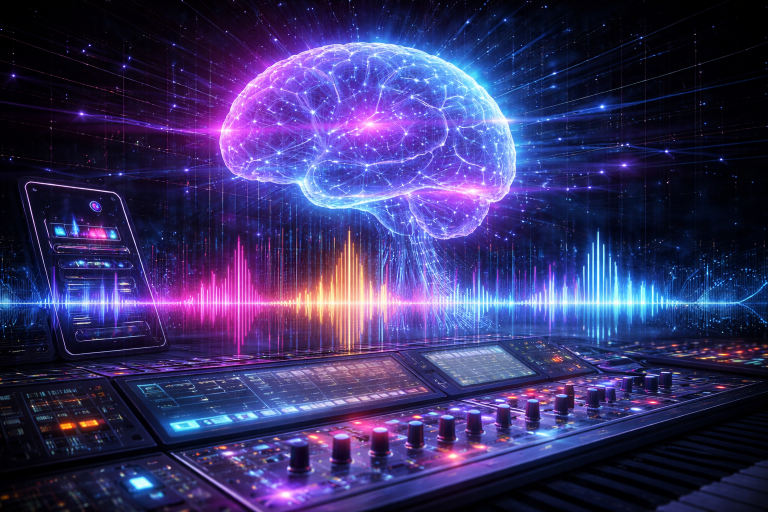
In the early weeks of 2026, it’s predicted based on 2025’s musical trends and developments that indie music isn’t disappearing, but it’s being reprogrammed, especially for bands that are blowing up in terms of streaming data. What once thrived on independence, local scenes, and creative exploration is now navigating an ecosystem ruled by metrics, short-lived virality, and successful platform listening and analytics. As artists chase visibility in an attention economy, the question isn’t just whether indie music can survive but whether its core identity can.
The Data-fication of Art
At the heart of today’s indie crisis is the pressure to perform for the algorithm. Short-form platforms reward getting to the chase. A hook in the first five seconds, content engineered to quickly provide a message, and a signature indie vibe (think popular band MGMT in their 2008 peak). The result is a subtle but profound shift in how songwriting itself is impacted.
Songs are getting shorter, with predictable structures and build-ups, and experimentation is riskier in a packed market. Creative decisions increasingly happen with analytics in mind.
Successful social media analysis can make or break any musician or band in the digital age. For bands with low streams, for example, views are particularly important. Somerville, MA band Hush Club, currently at 2046 Spotify listeners per month, took their marketing strategy into their own hands. A video they posted garnered 56.2K views after advertising a free pizza party for anyone who saved it. The technique was an effective way to build up their analytics, making their future content more likely to be picked up by the TikTok algorithm.
In a conversation with Hush Club musician Alasdair MacKenzie in 2024, he stated, “We had been posting on TikTok regularly with the idea of throwing a bunch of stuff at the wall and seeing what sticks… It turns out if you throw a pizza at the wall, it’s pretty sticky.”
For a culture built on DIY experimentation and resistance to the mainstream, this data-driven approach challenges the very idea of what “indie” means. Many artists’ content feels corporate and fails to build a personal connection to fans.
Stakeholders in the band, particularly the fan base, want to see the face behind the art they are consuming. By just posting a picture of the new cover art for your album release, there is a lingering feeling of profit farming.
Platforms have noticed this shift. Spotify, for example, now encourages artists to record personalized thank-you videos during its annual Wrapped campaign, reinforcing the idea that connection, not just consumption, drives loyalty. Smaller artists in particular thrive on this sense of human presence.
Global Homogenization and the Rise of “Spotify-Core”
As streaming platforms push aggressively into emerging markets, indie music is gaining unprecedented global reach, but at a cost. A frictionless, algorithm-friendly sound has begun to dominate playlists worldwide, smoothing out regional differences in favor of mood-based, easily categorized tracks. This global expansion often prioritizes scale. Local scenes, once defined by language, geography, and cultural nuance, risk being flattened into a universal “Spotify-core” aesthetic. The danger isn’t exposure, it’s erasure. When algorithms favor what performs consistently across markets, originality tied to place and community can become a liability rather than an asset. Indie music, once rooted in the local, now faces pressure to sound globally familiar.
The Survival Guide: DIY in the Algorithm Era & Vibe Check
Still, indie isn’t dead; it’s adapting. A new wave of artists is learning how to work within algorithmic systems without surrendering their identity.
How the Artists Are Doing It Right:
• Artists who build tight-knit communities off-platform before chasing scale
• Musicians who resist trend-chasing by releasing projects that reward long-term listening
• Acts that embrace global audiences while staying true to their roots and culturally local
• Creators who use short-form platforms as gateways for new opportunities, not creative plagiarism
• Physical fan intimacy, including meet-and-greets, live activations, and record signings. This technique is the primary countermeasure to the algorithm
1. Peach Pit- Algorithm Awareness
- Why they matter: Peach Pit is often cited as an “algorithm-friendly” indie band, but their success reveals a more nuanced relationship with platforms.
- Justification: While their tracks are catchy and playlist-compatible, Peach Pit still leans into extended storytelling, guitar-forward arrangements, and emotionally specific lyrics, traits historically associated with indie rock rather than pop. Their music circulates widely on TikTok and Spotify, yet the band has not reshaped its songwriting to chase viral trends. Instead, algorithmic success follows existing identity, not the other way around. Lead guitarist Chris connects with fans by providing guitar tutorials for their songs and creating vlogs for their platforms.
- What this proves: Indie artists can benefit from algorithmic systems without allowing data to dictate creative direction. Peach Pit shows that consistency of voice can still cut through even in metric-driven spaces.
2. Big Thief- Resisting Optimization Through Artistic Risk
- Why they matter: Big Thief represents a deliberate refusal to streamline their sound for digital performance metrics.
- Justification: Their albums feature long runtimes, quiet dynamics, unconventional structures, and moments that push outside of the box. Songs often lack immediate hooks and require patience, directly opposing short-form virality incentives. Despite this, Big Thief maintains strong streaming numbers and a dedicated fanbase, largely built through touring and word-of-mouth rather than algorithmic placement.
- What this proves: There is still an audience for slow, demanding, emotionally complex music. Indie identity can survive by prioritizing depth over discoverability, even if growth is slower and less predictable.
3. Japanese Breakfast- Navigating the Indie-to-Mainstream Crossover
- Why they matter: Japanese Breakfast exemplifies how indie artists can achieve wider visibility without abandoning narrative depth.
- Justification: Michelle Zauner’s work combines sweet melodies with deeply personal storytelling rooted in grief, identity, and memory. While later releases show more polish, the emotional core remains intact. Crucially, Zauner’s success also stems from off-platform storytelling with her memoirs, interviews, and live performances, which anchor the music in a human context beyond algorithmic consumption.
- What this proves: Authenticity isn’t erased by scale alone. When artists control their narrative across mediums, they can expand reach without flattening meaning.
4. Alex G- Long-Term Listening Over Viral Moments
- Why they matter: Alex G’s career demonstrates the power of patience in the fast-paced digital age.
- Justification: His music rarely conforms to trend cycles or platform demands, yet he continues to grow steadily through back-catalog discovery, touring, and fan recommendations. Songs often lack immediate clarity, inviting repeat listens rather than instant gratification. Algorithms reward him after audiences commit, not before.
- What this proves: Indie success doesn’t have to be fast to be sustainable. Long-term artistic consistency can still thrive in a system obsessed with immediacy.
The Verdict
As we move deeper into 2026, the future of indie music will continue to be unraveled. Whether more artists shift in favor of the algorithm, or more move toward greater independence, it will be a big year of growth for the genre.
About the Author