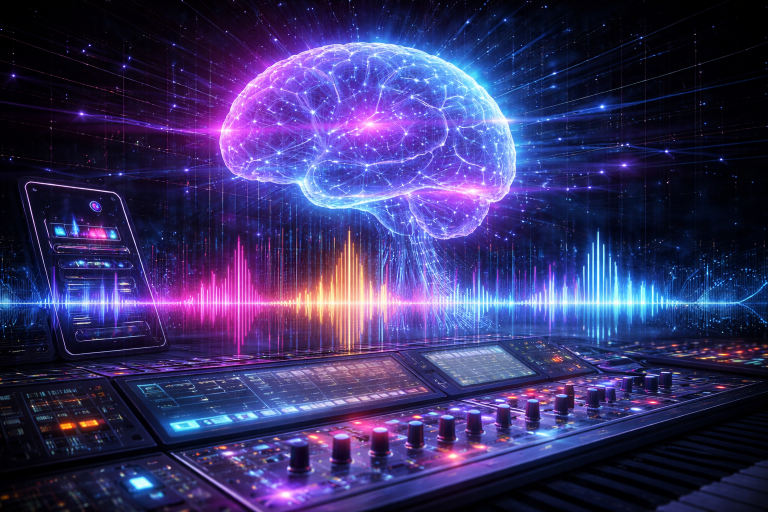
Artificial intelligence is rapidly transforming how digital creators produce content. What once began as a simple experiment—generating a song using AI—has evolved into something much larger. Today, many creators are using AI-generated music not as the final product, but as the starting point for fully realized short-form videos designed for platforms like YouTube Shorts, TikTok, and Instagram Reels.
This shift reflects a broader change in the creative workflow. Instead of generating a track and uploading it to platforms like SoundCloud or YouTube with a static image, creators are building entire multimedia experiences around AI music.
From AI Music to Full Video Content
A typical AI-powered content pipeline begins with music generation. Creators use platforms such as Suno or Udio to generate tracks by describing mood, genre, instrumentation, or era through prompts. Within seconds, these tools can produce a fully formed composition that can serve as the foundation for a piece of content.
The next step is visual creation. AI video tools like Runway, Kling, Pika, and Luma Dream Machine allow creators to generate video clips that match the tone or theme of the music. Some tools focus on cinematic visuals and creative control, while others offer fast, stylized clips designed for quick experimentation.
Finally, everything comes together in editing software such as CapCut. Here, creators assemble clips, synchronize audio, add captions or effects, and export the final piece in formats optimized for social media platforms.
Why the Workflow Matters
This integrated approach has become increasingly important as short-form video dominates social media algorithms. Platforms including TikTok, Instagram Reels, Facebook Reels, and YouTube Shorts prioritize engaging video content, meaning creators who pair visuals with AI-generated music often outperform simple audio uploads.
At the same time, AI video tools have improved dramatically over the past 12 months. Outputs are now far more realistic and usable, lowering the barrier to entry for creators who want to experiment with these technologies. As a result, the real skill is no longer simply generating an AI track; it’s understanding how to turn that track into a compelling piece of shareable content.
A New Community for AI Creators
As interest in this process grows, a new community has emerged to help creators learn the full workflow. AI Music & Video Creators Lab, a Facebook-based group, was created to bring together DJs, producers, content creators, and beginners exploring AI-driven creative tools.
The group is designed to encourage practical learning. Members share the tools they used, their creative approach, and the lessons they learned from each project. Each Tuesday features deeper discussions of specific tools or workflows, while Fridays are dedicated to promotional threads where creators can showcase their latest work. The goal of the community is to shift the conversation away from isolated tools and toward the entire creative pipeline, from AI-generated music to finished video content.
As AI continues to reshape digital creativity, creators who learn to combine music generation, video synthesis, and editing tools effectively may find themselves ahead of the curve. For many, mastering this workflow could become one of the most valuable creative skills in the evolving landscape of online content.
About the Author