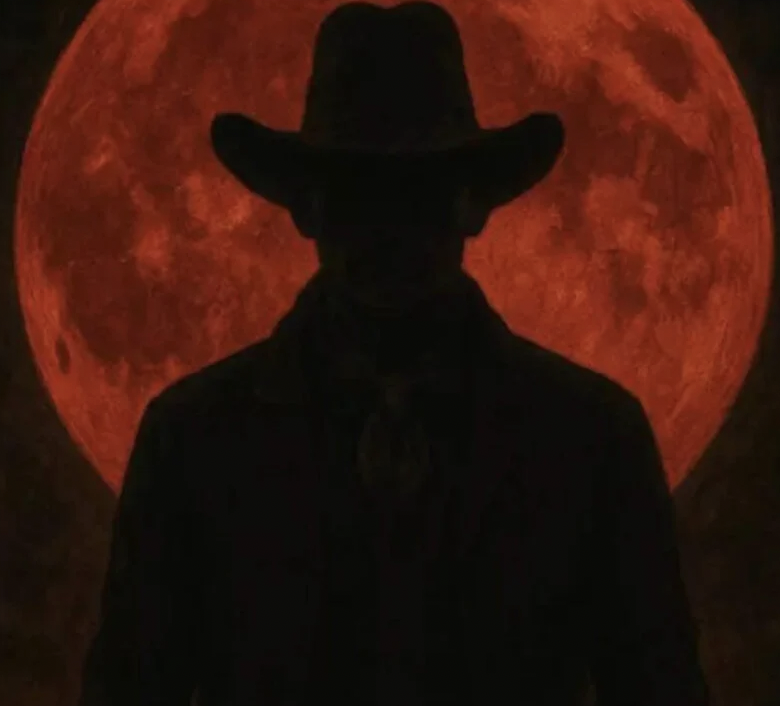
The AI-generated “Outlaw country” act Breaking Rust is embroiled in a major controversy after two separate artists—independent musician Bryan Elijah Smith and Grammy-nominated rapper Blanco Brown—publicly accused the viral act of theft. The claims range from vocal impersonation to the stealing of entire branding and visual identity.
The track at the center of the dispute, “Walk My Walk,” scored over 7 million Spotify streams and topped Billboard’s Country Digital Song Sales chart before its brief removal from the platform following an impersonation claim.
Claim 1: Stealing Identity and Branding
Independent country artist Bryan Elijah Smith was the first to claim infringement, accusing Breaking Rust and similar AI acts of “stealing elements of my music, my style and even my image.”
- The Allegation: Smith claims the AI entities copied “niche genre descriptions, branding language, and visual identity I have built over the last seventeen years.” He states these songs, generated by Suno AI in seconds, are deceiving the public and hijacking streaming algorithms.
- The Action: Smith filed an official rights claim with Spotify, which led to the track’s temporary removal. He is now pursuing the removal of the AI accounts entirely, arguing that the issue jeopardizes every independent musician relying on the limited streaming revenue pool.
Claim 2: Vocal Mimicry and Real-World Connections
Grammy-nominated rapper Blanco Brown (known for “The Git Up”) separately accused “Walk My Walk” of mimicking his distinct vocal style.
- The Response: Brown’s manager called the AI track a formula that “cannot recreate the humanity, the conviction, or the lifetime of emotions” of a real artist. Brown responded by making history, recording a cover version of “Walk My Walk” to draw a “clear line between something generated and someone who has fought, survived, grown, and turned life into art.”
- The Smoking Gun: An Associated Press investigation linked Aubierre Rivaldo Taylor, the credited songwriter for all of Breaking Rust’s tracks, to a former Blanco Brown collaborator named Abraham Abushmais. Abushmais, whom Brown nicknamed “Abe Einstein,” has co-writing credits on Brown’s 2019 album and is reportedly the developer of an AI music generation app called Echo.
The Bigger Picture: A Looming Legal Challenge
The situation, alongside the concurrent Jorja Smith/Haven AI vocal cloning dispute, points to a massive impending legal challenge for the music industry. As Smith notes, AI allows creators to “imitate real artists, hijack algorithms… and climb charts without transparency.”
The key problem is complexity: an AI track may unintentionally trigger simultaneous claims from multiple artists—one for vocal style, another for niche branding—making it difficult for any single artist to definitively prove their copyrighted work was the sole training source. This confirms the growing consensus that new industry “guardrails” are urgently required.
You can find the official music video for Blanco Brown’s version of the controversial song here: Walk My Walk – Blanco Brown
Photo Courtesy of MBW
About the Author