NYTimes.com
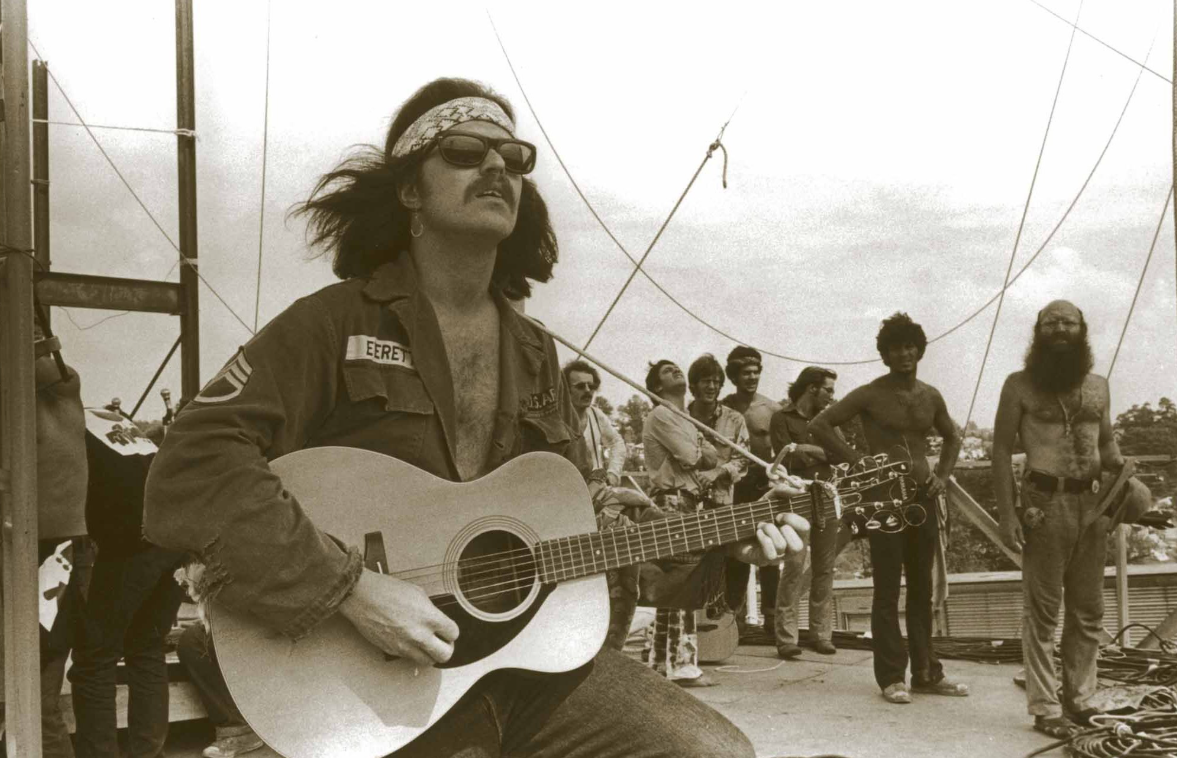
Country Joe McDonald, the singer-songwriter whose politically charged performance at the legendary Woodstock helped define the protest spirit of the late 1960s, has died at 84.
McDonald died Saturday at his home in Berkeley, California, confirmed by his wife, Kathy McDonald. The cause was complications related to Parkinson’s disease.
Best known as the frontman of psychedelic rock band Country Joe and the Fish, McDonald became a defining voice of the San Francisco counterculture during the 1960s. The group emerged from the Bay Area’s experimental rock scene, blending psychedelic sounds with sharp political commentary and a range of musical influences.
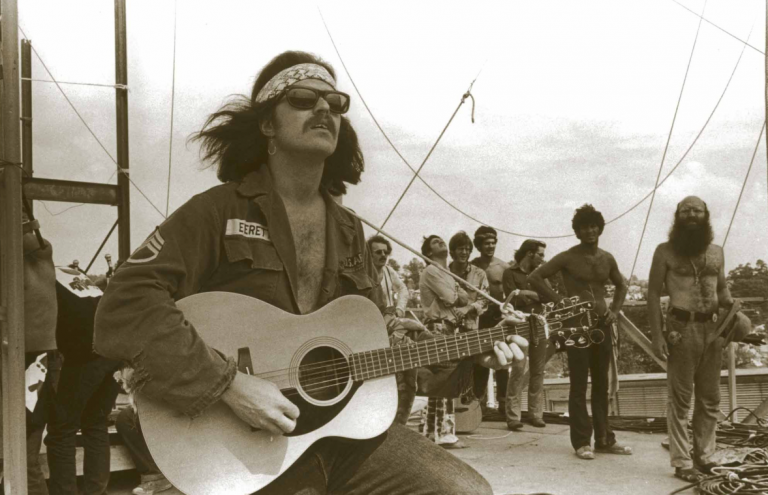
His most widely remembered moment came during Woodstock in 1969, when he performed solo and led the massive crowd through the provocative “Fish Cheer” before launching into the band’s anti-Vietnam War anthem “I-Feel-Like-I’m-Fixin’-to-Die Rag.” The performance, captured in the festival’s film and soundtrack, became one of the era’s most iconic protest images.
With Country Joe and the Fish, McDonald released influential albums including “Electric Music for the Mind and Body” (1967). Songs like “Superbird” mocked political leaders of the time, while other tracks explored darker, more experimental themes.
Although the band achieved moderate commercial success. Placing two albums in the Billboard Top 40, it never reached the mainstream popularity of fellow San Francisco acts such as Jefferson Airplane or Grateful Dead.
After the group disbanded around 1970, McDonald pursued a long solo career that produced dozens of albums across folk, rock, and political songwriting traditions. Many of his later works continued to reflect on the Vietnam War and its aftermath, including the 1986 album “Vietnam Experience”.
Born Joseph Allen McDonald in Washington, D.C., in 1942, he grew up in California and learned guitar from his father as a child. After serving in the U.S. Navy, he moved to Berkeley during the height of the 1960s student protest movement and soon became immersed in the city’s arts and music culture.
Though his Woodstock appearance remains his most famous moment, McDonald spent decades writing and performing songs that blended humor, protest, and countercultural critique, an approach that kept him connected to the political spirit that first brought him to national attention.
About the Author