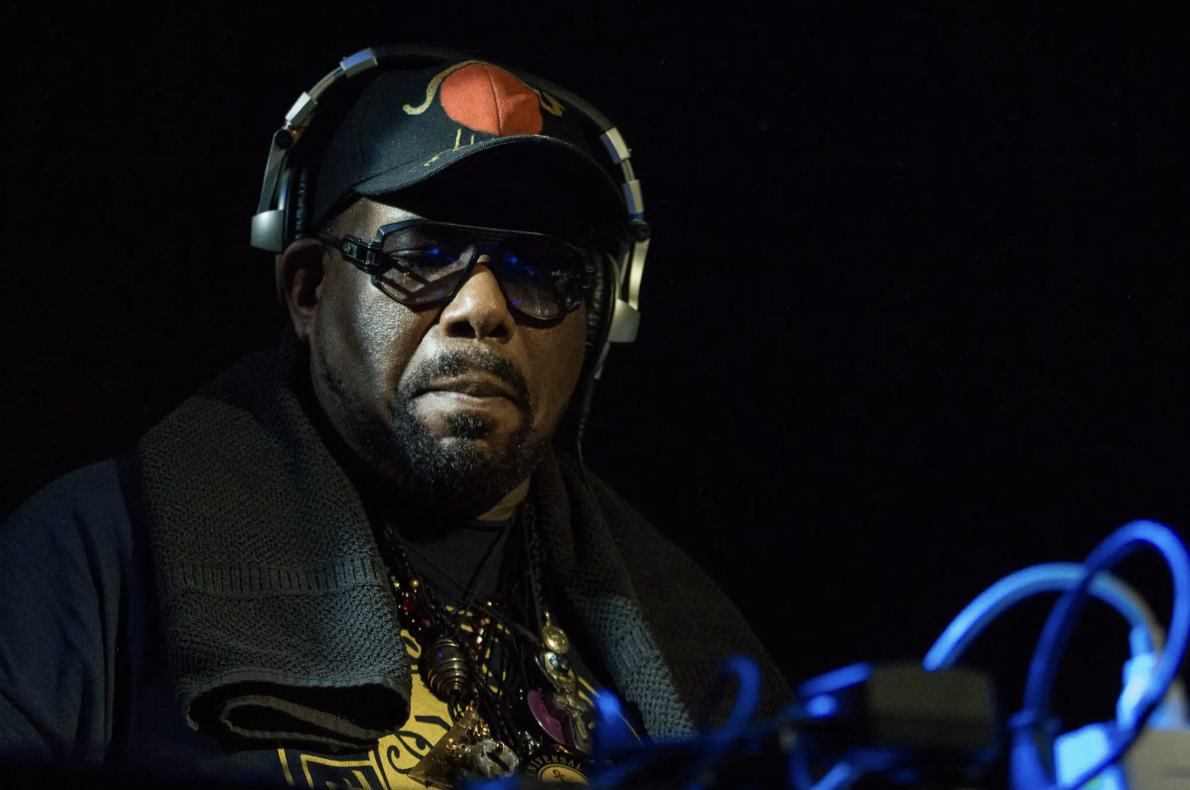
Afrika Bambaataa performing in 2014 in Turin, Italy.Credit...Elena Aquila/Getty Images
Afrika Bambaataa, the Bronx pioneer widely regarded as the godfather of hip-hop, has died at the age of 68. His death, confirmed by the Universal Zulu Nation, closes a chapter on a life that was as culturally transformative as it was deeply controversial. While his technical innovations in the 1970s and 80s provided the blueprint for a global multibillion-dollar industry, his final years were defined by a series of legal battles and widespread allegations of sexual abuse.
Defining a Global Culture
Bambaataa is credited as one of the three primary DJs alongside DJ Kool Herc and Grandmaster Flash who founded hip-hop. His contribution was both musical and philosophical. By forming the Universal Zulu Nation in the early 1970s, he famously worked to transition Bronx youth from street gang culture to the four pillars of hip-hop: DJing, MCing, breaking, and graffiti.
His 1982 record Planet Rock remains one of the most influential tracks in music history. Produced by Arthur Baker, it fused Kraftwerk-inspired electronic sounds with rap, effectively birthing subgenres like electro-funk and Miami bass. In 1981, he became the first major hip-hop artist to sign with Tommy Boy Records, a move that signaled the genre’s transition from New York block parties to a viable commercial recording industry.
A Legacy Tarnished by Allegations
The latter half of Bambaataa’s life was overshadowed by allegations of child sexual abuse and trafficking that first surfaced publicly in 2016. These accusations led the Universal Zulu Nation to disassociate from its founder and issue an apology to his alleged victims. In 2025, Bambaataa lost a high-profile civil case involving an anonymous plaintiff, an event that significantly impacted how his historical contributions are taught and celebrated today.
As the industry reflects on his passing, the conversation remains split between the debt hip-hop owes to his “Planet Rock” era and the gravity of the accusations that followed. His death leaves the culture to navigate a difficult question: how to acknowledge the architect of a movement while confronting a history of alleged harm.
About the Author