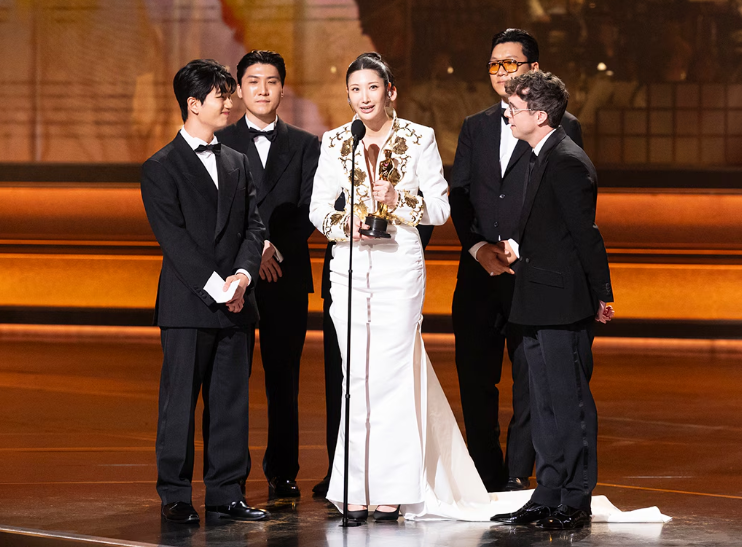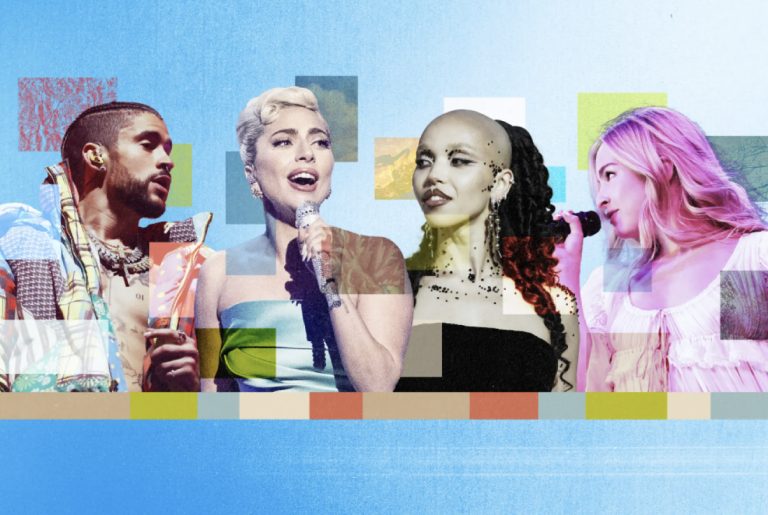
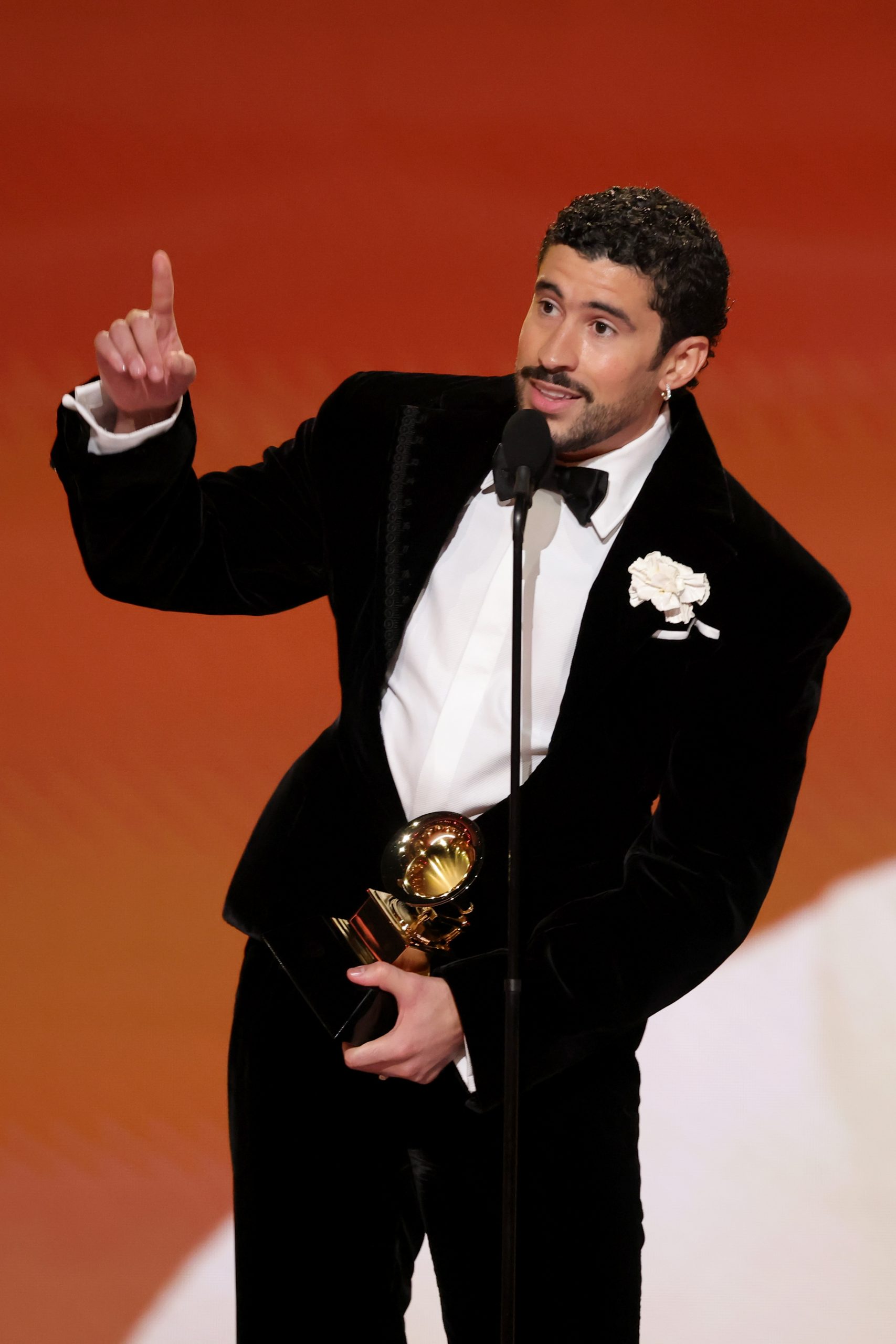
LOS ANGELES, CALIFORNIA - FEBRUARY 01: Bad Bunny accepts the Best Música Urbana Album onstage during the 68th GRAMMY Awards at Crypto.com Arena on February 01, 2026 in Los Angeles, California. (Photo by Kevin Winter/Getty Images for The Recording Academy)
Los Angeles, CA – February 1st, 2026 – From history-making wins to bold statements and heartfelt tributes, the 68th Annual GRAMMY Awards proved to be far more than a celebration of music. The 2026 ceremony underscored the power artists hold not only creatively, but culturally and politically. The impact reminded audiences that in uncertain times, music remains a constant force that connects, uplifts, and inspires.
Held at the Crypto.com Arena in Los Angeles, this year’s GRAMMYs also marked the end of an era. It was the final broadcast on CBS, as the Recording Academy prepares to move the ceremony to the Disney-owned platforms beginning in 2027 under a new 10-year deal.
Returning for his sixth and final year as host, Trevor Noah used his platform to spotlight artists who have gone beyond the stage to support their communities. He praised Olivia Dean for advocating against inflated ticket resale prices through Ticketmaster, ensuring her fans could access her shows affordably. Noah also highlighted Bad Bunny’s ongoing commitment to Puerto Rico, applauding his efforts to keep concerts accessible for local residents while reinvesting in the island’s economy by supporting small businesses.
This evening brought in many wins for many artists, Bad Bunny winning one of the the most anticipated and biggest award of the night for Album of the Year for his album “DeBÍ TiRAR MáS FOToS”. This historic win marked it the first all Spanish Speaking Album to win this award in GRAMMY history.
The evening’s performances were equally memorable, particularly from the eight Best New Artist nominees, each of whom brought distinct energy and artistry to the GRAMMY stage. Their performances ranged from intimate and emotional to high-energy and theatrical, underscoring the genre-blurring future of music.
Throughout the night, many artists including Bad Bunny, Olivia Dean, Billie Eilish, Justin Bieber, and many more used the global spotlight to address social issues, with several wearing “ICE OUT” pins in solidarity. The ceremony made clear that artists were not shying away from using their voices.
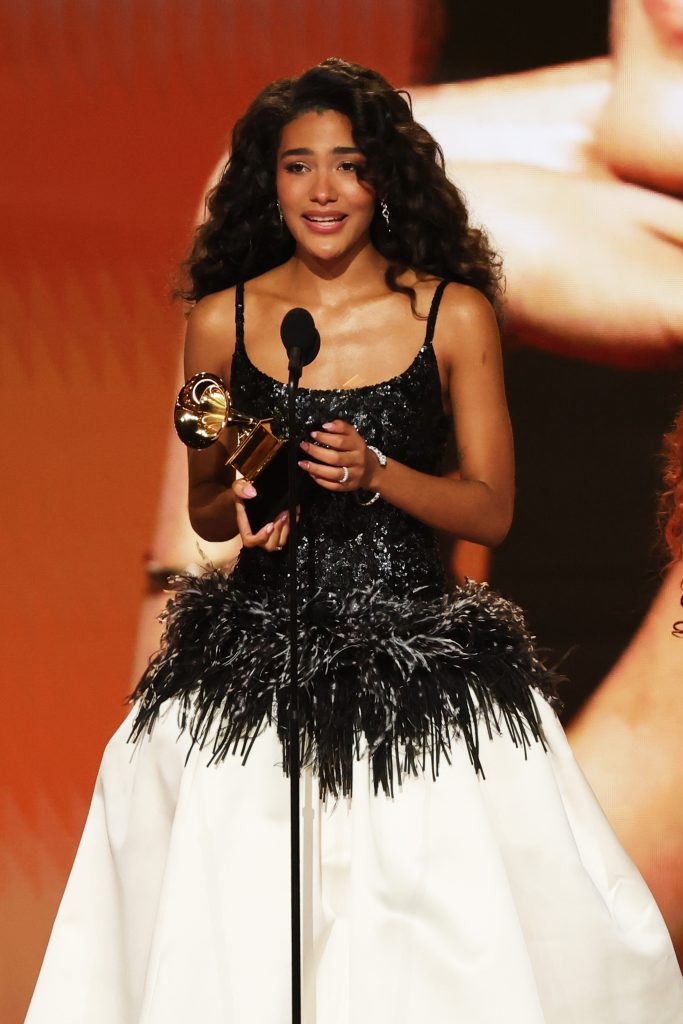
Olivia Dean delivered one of the evening’s most poignant moments during her acceptance speech for Best New Artist, honoring her immigrant roots. “I’m up here as the granddaughter of an immigrant,” she shared, adding that she is “a product of bravery,” and emphasizing that such stories deserve recognition and celebration.
Kendrick Lamar continued his historic GRAMMY run by breaking the record for most awarded rapper in GRAMMY history, following his win for Best Rap Album. He later capped off the night by winning Record of the Year alongside SZA for their collaborative track, “luther,”.
Bad Bunny earned his first GRAMMY of the night with a win for Best Urban Music of the Year. During his acceptance speech, he spoke out against I.C.E., earning a standing ovation as he reminded the audience, “We’re not savage, we’re not animals, we’re not aliens. We are humans, and we are Americans.”
Billie Eilish took home Song of the Year for “Wildflower,” making history as the first artist to win the category three times. In her speech, she echoed calls for justice, stating, “No one is illegal on stolen land,” and encouraging continued activism, hope, and collective action.
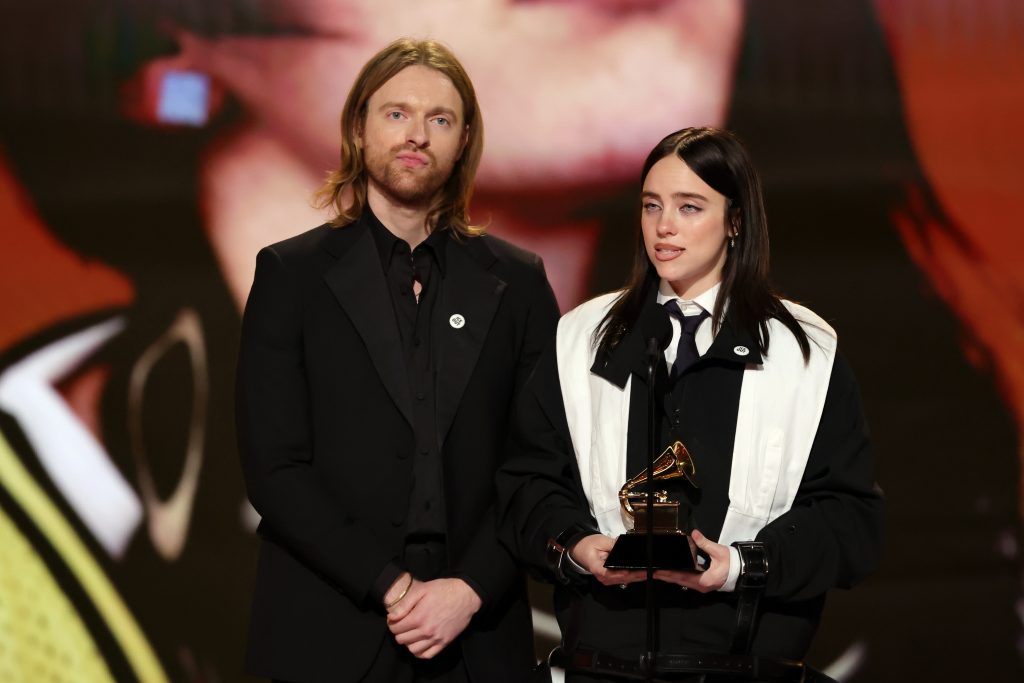
Jelly Roll, visibly emotional, dedicated his win to his faith and his wife, crediting her unwavering support as the reason he stood on the GRAMMY stage.Though the artist did mention that he is planning to make a political statement sometimes during the next upcoming weeks on his thoughts during this uncertain time.
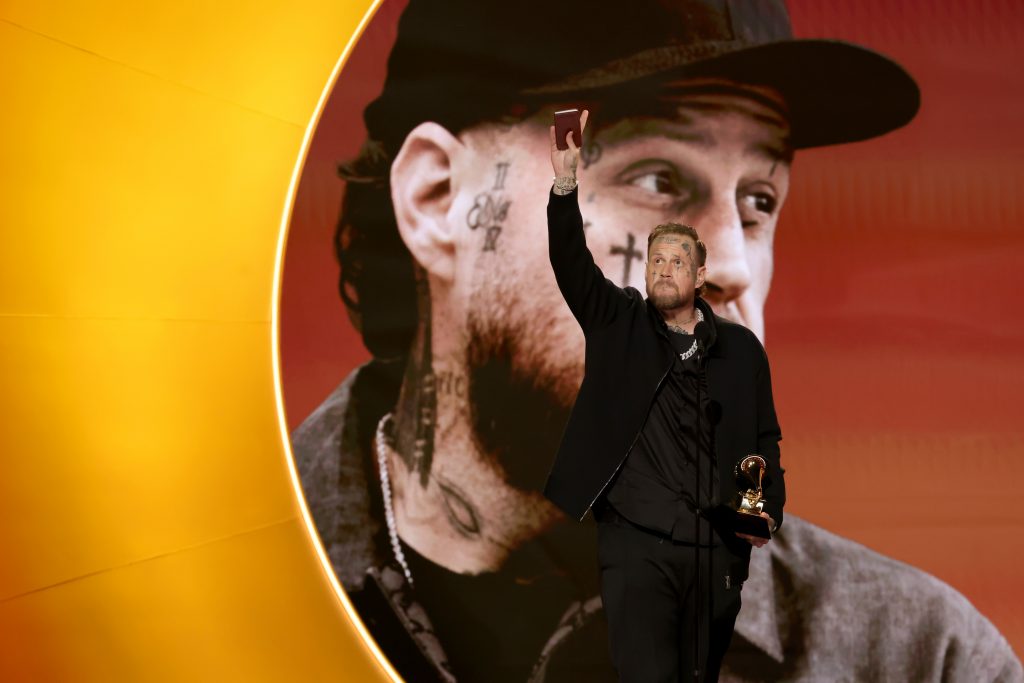
Following a bold, electrifying performance of “Abracadabra,” Lady Gaga won her second GRAMMY of the night for Best Pop Vocal Album. In her speech, she celebrated women in music, urging them to stand firm in their ideas and demand to be heard.
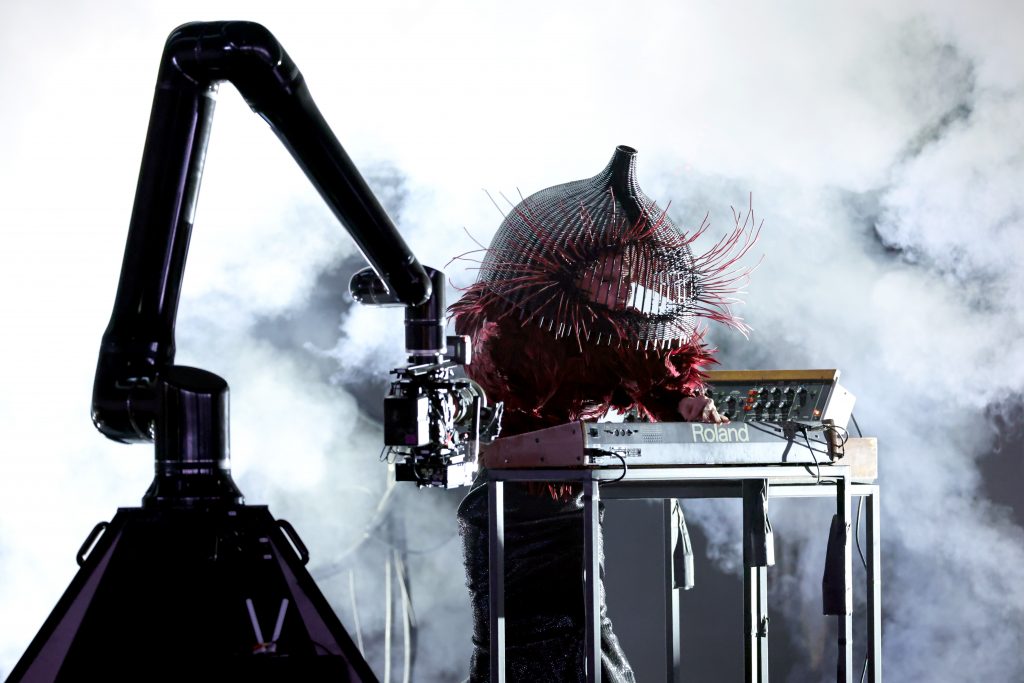
Lola Young earned her first GRAMMY for Best Pop Solo Performance with “Messy.” Overcome with excitement, she reacted candidly, briefly slipping past the broadcast censor before quickly apologizing, a moment that endeared her to audiences.
Pharrell Williams received the Dr. Dre Global Impact Award, honoring his far-reaching influence across music, fashion, and entertainment.
YUNGBLUD took home his first GRAMMY for Best Rock Performance and used the moment to honor the late Ozzy Osbourne, dedicating the win alongside Sharon Osbourne. He also dedicated the award to “everyone with a guitar and a dream.”
Amy Allen won Best Songwriter of the Year and in her post-win remarks, encouraged aspiring writers to embrace collaboration and persistence, emphasizing that loving the process, especially during creative blocks is essential to writing meaningful music.
Another historic milestone as Steven Spielberg officially achieved EGOT status. With his first GRAMMY win for Best Music Film, Spielberg now holds an Emmy, GRAMMY, Oscar, and Tony, cementing his legacy as one of the most accomplished figures in entertainment history.
The night closed out with a history-making win for Bad Bunny who sat in silence taking in the moment before going up to accept his award. For his award speech, Bad Bunny delivered his speech mostly in Spanish. He thanked God, Puerto Rico, the team behind the making of this album, his mom, and the Latin community and artist who came before him before dedicating his win to “all the people that had to leave their homeland, their country, to follow their dreams.”
More than a celebration of artistic achievement, the 2026 GRAMMY Awards served as a powerful reminder of music’s ability to reflect the moment, amplify voices, and spotlight the causes that matter most, both to artists and to the global audience watching.
About the Author