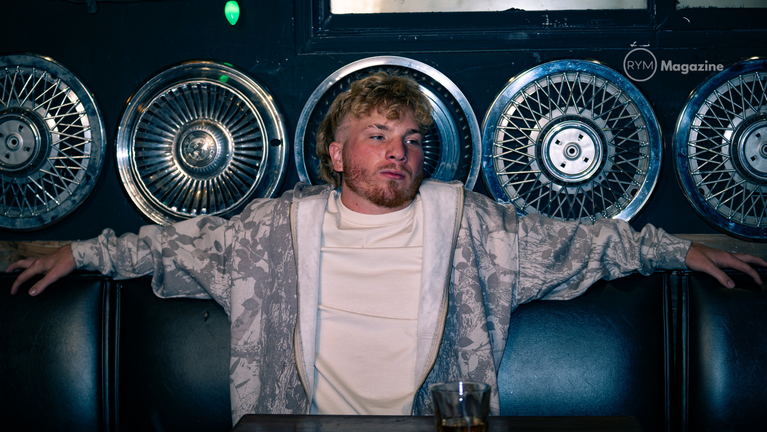
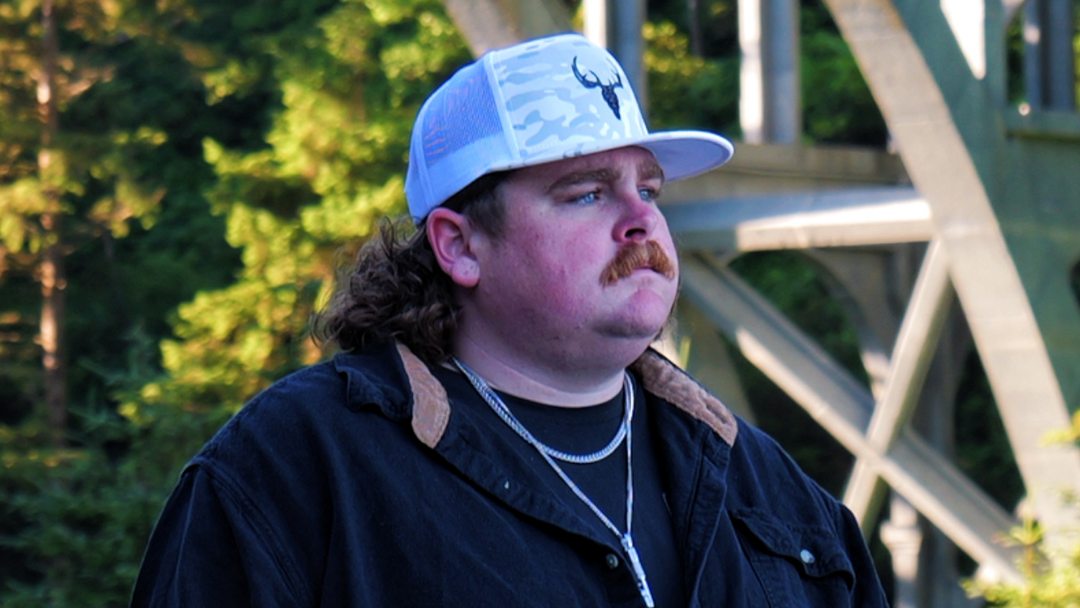
The handcuffs are off.
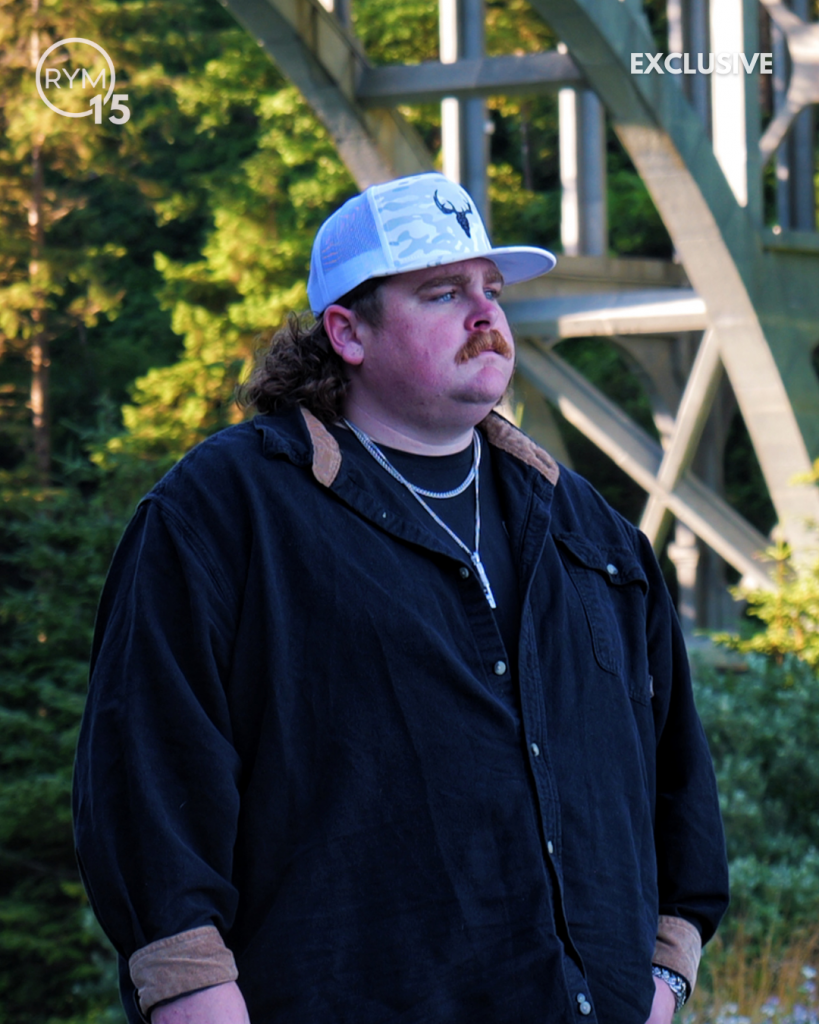
If 2025 was the year Bryan Andrews introduced himself to the world as country music’s unlikely outlier, 2026 is the year he plans to scream. Speaking for RYMs annual Anniversary Issue, the artist—fresh off a year that saw him etched onto charts that usually reject his brand of politics—sounds remarkably calm for a man in the eye of a cultural hurricane. But the calmness belies a kinetic energy for what comes next.

“I haven’t felt this inspired by my career since I started doing it,” Andrews says. “It feels like the handcuffs are off… I’m tired of seeing some of the things that I’ve been seeing. I’m going to speak the way I know how. And if it pisses some people off, then [expletive] them.”
It is a bold strategy for a genre that, in recent decades, has often preferred its stars politically ambiguous or strictly conservative. But Andrews isn’t playing by that rulebook. He leads RYM’s Global Artist to Watch for 2026 not because he fits the mold, but because he broke it—reclaiming the title of “outlaw” not as a marketing gimmick, but as a genuine stance against the status quo.
To understand where Andrews is going in 2026, you have to look at the scorched earth of the previous year. It was a time of transition that began quietly. He signed his record deal in June and released the single “Blue” in August. By his own admission, the momentum felt like it was “getting slow.” But it was October’s release of “The Older I Get” that turned Andrews from a musician into a cultural lightning rod.
The song wasn’t just a hit; it was a collision. Released against a backdrop of tightening immigration policies and a polarizing Supreme Court decision granting administrative stays to ICE, the track became an anthem for a disillusioned segment of rural America that rarely sees itself reflected in the mainstream.
“I was thinking about not doing it,” Andrews admits regarding the release of the track. It was his father who offered the ultimatum that would define his trajectory, a piece of advice that now serves as the artist’s north star. “He said, ‘Would you rather not make it because people didn’t like your music? Or would you rather not make it because you made the best music you could make and said how you felt, but people just weren’t ready to hear it yet?'”
Andrews chose the latter. The song went mega-viral, fueled by a video rant where Andrews dismantled the hypocrisy he saw in his own backyard—specifically the disconnect between religious rhetoric and political cruelty.
“Christianity was never supposed to be used as a weapon against the poor and the weak,” Andrews says. “It was supposed to be used as a shield for them.”
“I think it was timely,” he continues. “The video itself comes from someone who looks like me—from these rural areas and small towns—who you would normally assume is pretty conservative.”
Instead, viewers found a man exhausted by cognitive dissonance. He recounts seeing comments on news posts from people in his hometown—people he knew—cheering on harsh policies or making jokes about detention centers, referring to them as “Alligator Alcatraz.”
“I’m not claiming to be no perfect Christian myself,” Andrews says. “However, I do think that there is extreme blasphemy in saying that you’re a Christ follower and then using it as a weapon… Jesus said feed the poor and heal the sick. He didn’t say, ‘I hope they teach them to run in zigzags.'”
The backlash was immediate. Pundits dragged him on social media; commentators called his career dead on arrival, spouting the old adage: “Go woke, go broke.” Want to read more? – Click Here
About the Author