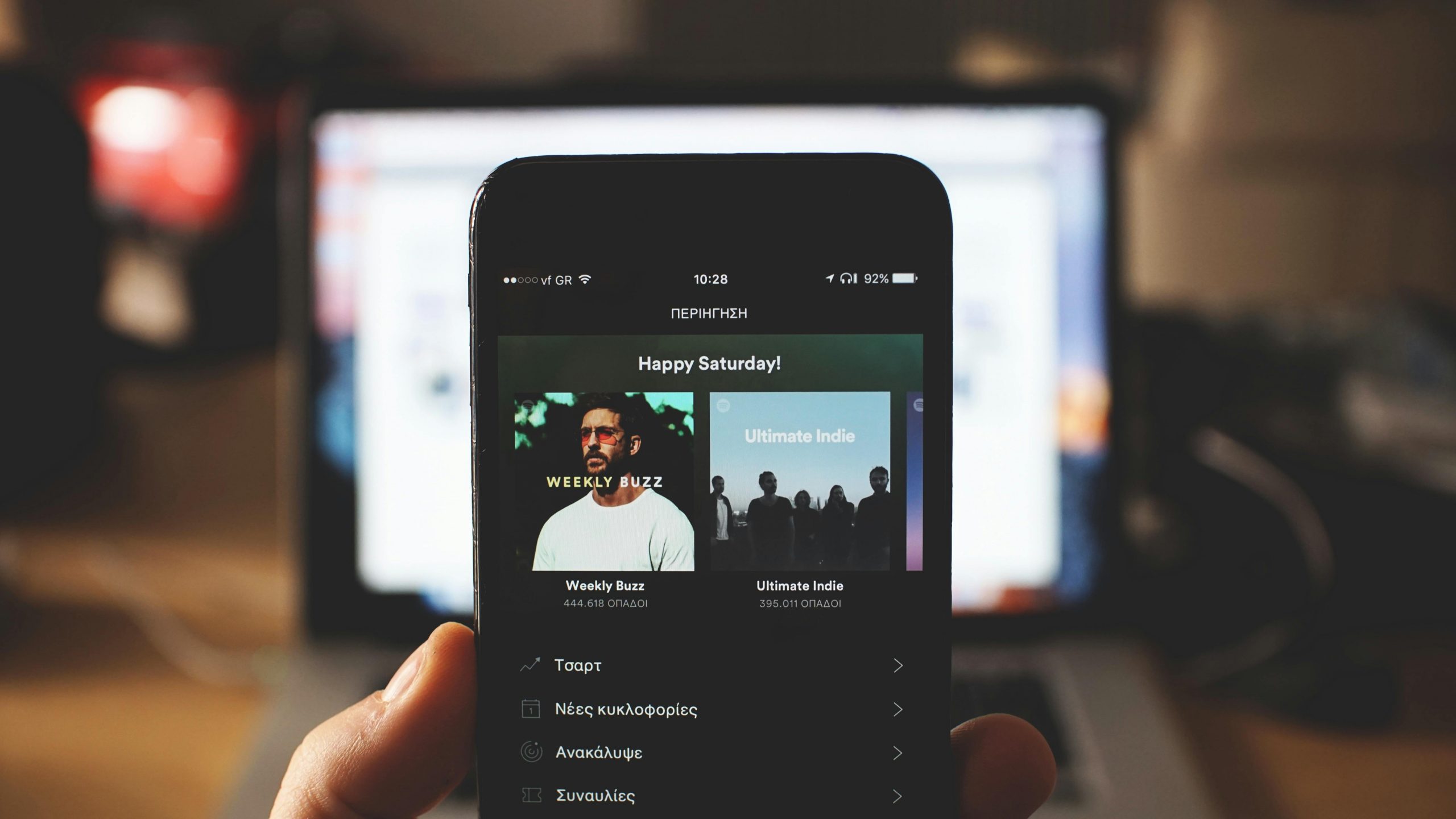
Spotify is making a subtle but significant change to its subscription lineup: the company is effectively sunsetting its “Basic” music-only plan. While the tier technically still exists, subscribers who cancel it will lose access permanently, forcing them back into bundled Premium plans that include audiobooks. The move, first reported by Digital Music News and authored by Ashley King, raises important questions about consumer choice, pricing transparency, and how streaming platforms compensate songwriters.
A Disappearing Music-Only Option
The Basic tier was introduced as a non-bundled alternative for users who wanted access strictly to music without paying for audiobooks. However, Spotify has made the plan increasingly difficult to find, and new restrictions now make it nearly impossible to return once canceled. Spotify’s support language confirms the shift, stating, “Basic is available for previously existing Premium subscribers,” and warning users that “If you cancel your Basic plan, it is not possible to resubscribe to it.” In practice, this means most users will only see bundled Premium options on their account pages.
According to DMN Pro data, Premium plans already account for 99% of Spotify’s total subscribers, suggesting that the Basic tier was never widely promoted. The quiet phaseout effectively removes the last visible alternative for listeners who prefer a music-only experience.
Why Bundling Benefits Spotify — But Not Songwriters
The strategy traces back to late 2023, when Spotify integrated audiobooks into its Premium Individual, Family, and Duo plans. By reclassifying these plans as bundled offerings under the Phonorecords IV agreement, Spotify and other digital service providers can pay lower mechanical royalty rates to publishers and songwriters. Bundled subscriptions distribute revenue across multiple content types, reducing the portion allocated to music creators compared to standalone music plans.
While this creates cost savings for Spotify, it also means reduced earnings for rights holders and fewer choices for subscribers who may not want audiobook access but must still pay for it.
What This Means Going Forward
Spotify’s quiet elimination of the Basic tier highlights a growing tension in music streaming: balancing profitability with fair compensation and consumer transparency. For listeners, the change limits flexibility and nudges them into higher-priced bundles. For songwriters and publishers, it signals continued pressure on royalty income in an increasingly bundled digital marketplace.
As streaming platforms evolve, users and creators alike may need to pay closer attention to how subscription models shape both pricing and the future of music compensation.
About the Author