Photo Credit: @Gunnar on Instagram
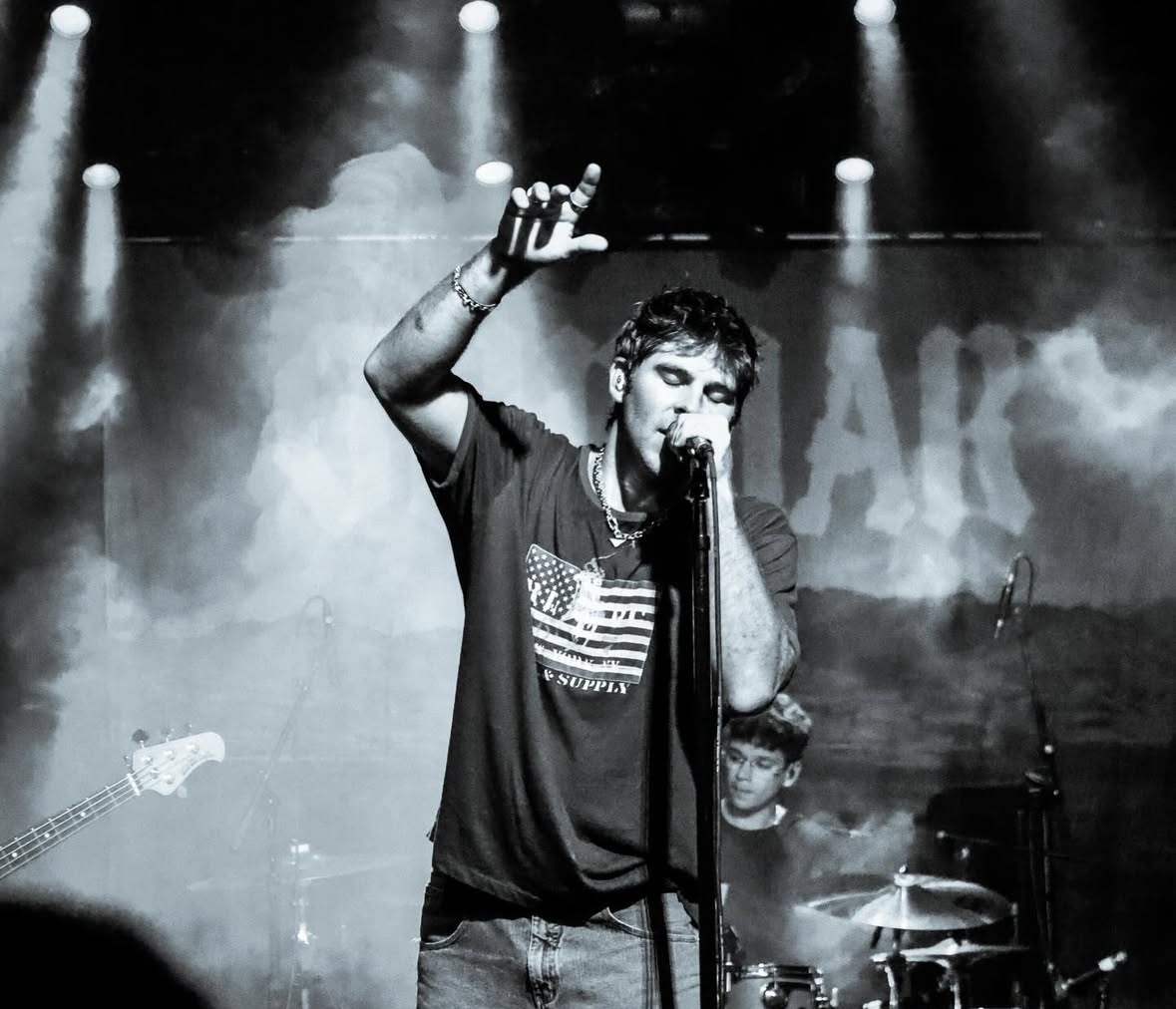
Emerging alt-pop artist Gunnar has completed his first headline run, The Upside Down Tour, showing how new artists can make their first headline tour profitable and impactful. Upon fan demand, Gunnar hit many of the biggest cities in North America, which pushed him and his team to figure out logistics of balancing cost, revenue, and fan engagement to make it a successful tour.
Gunnar’s team used smart financial tactics to avoid the common financial pitfalls of first tours. First tours can be risky and expensive, but Gunnar and his team came up with strategies to change the starving artist stereotype and show other emerging artists how they can also successfully go on tour. From building strong fan connections to keeping the tour lean and selling exclusive merch, Gunnar’s approach set a new standard for emerging artists on the road.
All attendance and financial figures below are based on venue capacities, industry benchmarks for emerging artists, and estimated ranges.
Tour Economics: The Business of Balancing Cost vs. Revenue
- Venue Selection: Gunnar’s team targeted mid-sized rooms ranging from approximately 200 to 650 capacity to manage costs and maximize attendance. This approach balanced costs with audience demand, helping ensure a successful tour. Across the run, most shows played to near-capacity crowds, reinforcing demand while keeping overhead manageable.
- Routing: The tour followed a geographically efficient path, from the Midwest through the East Coast, down through the Southeast, and across to the West, minimizing long travel days and unnecessary downtime. Strategic routing like this can reduce transportation and lodging costs by an estimated 15–20% compared to disjointed city-to-city scheduling.
- Lean Team & Gear: Rather than investing in large production elements, Gunnar’s team kept the tour intentionally lean, traveling with a small crew and minimal gear. Combined with smart routing, this approach resulted in an estimated 20–25% reduction in overall touring costs, a crucial factor in making a first headline run financially viable.
Gunnar’s team wasn’t about big production, instead they focused on smart, strategic spending.
Direct to Fan (D2F) Strategies: Engaging Fans Before They Buy Tickets
- Social Media Engagement: Gunnar’s team used social media to drum up excitement, posting behind-the-scenes content and sneak peeks to build anticipation. They also offered an early access ticket sale, giving his fans first dibs before general sales opened. This helped gauge demand and guarantee a quick sell out.
- D2F Revenue Streams: Beyond ticket sales, Gunnar capitalized on direct-to-fan revenue streams. They offered VIP experiences and bundled exclusive merch. These moves created urgency and gave fans a personal connection to the tour, all while boosting sales.
Gunnar’s team focused on control: owning the audience vs. relying on promoters or platforms.
Merch vs. Revenue: Turning to Tour into Profit
- Exclusive Merch: Gunnar sold signed posters, sold special limited vinyl’s, and had exclusive city-specific items available. People are more intrigued with exclusive items making the audience more likely to buy merchandise.
- Revenue: Tickets cover the show; merch covers the tour. Across the run, merch per head averaged between $8 and $20, a strong range for a first headline tour. Based on these figures, merch sales covered an estimated 50–70% of total touring expenses, including transportation, lodging, and crew costs. Beyond revenue, merch extended the tour’s lifespan by turning fans into walking promoters long after the show ended.
Merch sales are a major revenue stream for artists on tour, and Gunnar’s team knew exactly what the fans wanted, delivering items that kept fans engaged and eager to buy. The profit from these sales provided critical financial support for the tour.
Data & Metrics: Reading the Signals
- Stats: Gunnar has roughly 43.5k month listeners on Spotify and 114k followers on Instagram. Knowing this, Gunnar’s team was able to figure out how many people would be interested in a tour. This data shaped routing, room sizes, and marketing strategy.
- Strategy: Gunnar’s team aimed for fillable venues and fast ticket sales rather than bigger venues they wouldn’t be able to fill causing them to miss out on ticket selling opportunities.
- Post-Show Engagement: After the show, Gunnar made a point to go to the merch table and sign every poster and meet every fan. There was only one condition: each fan had to sign up for his email list so they would have to stay up to date on his upcoming shows, new music, etc. This approach resulted in an estimated 25-50 new email subscribers per night, turning each show into a long-term marketing asset rather than a one-off event.
Data guides touring decisions: where to play, how to route, what merch to sell.
The Blueprint: 3 Steps for Emerging Artists
1. Build fan demand before announcing dates
Use presale lists, social engagement, and fan data to set venue sizes and gauge demand.
2. Keep the tour lean without compromising experience
Strategic routing + small crew = 20–25% cost reduction.
3. Make merch and D2F sales the core of profitability
Exclusive items + VIP can cover 50–70% of total tour expenses, dramatically reducing risk.
Gunnar’s Upside Down tour proved that with the right strategies, first tours don’t have to be financially risky. By focusing on fan engagement, smart spending, and merch sales, emerging artists can turn their dreams into a profitable reality. Gunnar’s experience serves as a blueprint for artists looking to confidently take their first steps on the road.
About the Author