
In 2025, the already attenuated boundaries between genres collapsed altogether. This year’s most viral releases mixed styles once thought incompatible, while niche subgenres pushed into the mainstream, and global cross-pollination sparked unexpected collaborations.
These creative shifts unfolded alongside major technological changes that reshaped how music is made, shared, and discovered. AI tools expanded production possibilities while raising urgent ethical questions about authorship and creativity. Streaming platforms doubled down on hyper-personalized algorithms, altering not just how audiences listen, but how artists design their songs. Meanwhile, social media, especially TikTok, remained the industry’s most powerful tastemaker, often serving as listeners’ first point of contact with new music.
Taken together, these shifts offer a snapshot of a year defined by rapid change. From Bad Bunny’s DtMF to “Golden” from K-pop Demon Hunters, here’s a look back at the music trends that took over feeds, playlists, and the entire year.
1. Globalization: Music Without Borders
In 2025, the idea of music as something tied to place feels increasingly outdated. Social platforms continue to blur what it even means to be “regional,” allowing artists to gain fans across continents. A new generation of truly borderless listeners, unbothered by language or geography, is driving this momentum and opening the door for more international artists to break through globally across a wider range of sounds. You can already see this shift in the international response to Afrobeats and Amapiano, which have become staples of club culture and pop collaborations worldwide.
In addition, K-pop’s expanding cultural footprint remains impossible to ignore, from the real-world impact of projects like K-Pop Demon Hunters to the genre’s ongoing influence on global pop aesthetics. Meanwhile, J-pop is inching closer to a full global takeover, from the virality of Creepy Nuts’ “Bling-Bang-Bang-Born” to Mrs. GREEN APPLE’s continued dominance of charts in Japan and abroad. Music in 2025 feels more interconnected, collaborative, and culturally fluid than ever before.
2. Afrobeats & Amapiano: Africa’s Global Sound
Few movements illustrate this shift more clearly than the continued rise of Afrobeats and Amapiano in 2025. While Afrobeats’ global growth isn’t new, the scale of its integration into mainstream music this year has been striking. What began in West Africa has expanded far beyond its roots, with its rhythms, melodies, and production techniques now deeply embedded in pop and rap across North America and Europe. This year, Afrobeats has expanded through high-profile collaborations and cross-pollination, particularly with Latin artists such as Kapo andBeéle. Afro-influenced grooves blend seamlessly with reggaeton, pop, and contemporary rap. The result is a sound that feels both globally familiar and culturally specific. Amapiano has followed a similar trajectory. Originating in South Africa, the genre’s hypnotic basslines and slow-building rhythms have become staples in clubs and festival sets.
Together, Afrobeats and Amapiano have reshaped global listening habits, driven by artists like Burna Boy, Tems, Davido, and Tyla, whose chart success demonstrates that African music has a wide international audience. Their rhythm-forward, danceable sound thrives in the age of streaming and social media, powering viral dance challenges and influencing everything from pop production to fashion and branding. In 2025, these genres are no longer viewed as regional movements; they’re central pillars of global pop culture.
3. Hybrid Genres: When Styles Collide
The year’s most compelling releases live in the friction between styles rather than within any single genre. Artists are treating genre as a flexible language, pulling from classical, electronic, pop, and alternative traditions without hesitation. This shift has fueled some of the year’s most viral releases, where once-incompatible styles collide: drum’n’bass fused with alt-pop’s polish, hyperpop’s maximalist chaos filtered through indie rock sensibilities, and trap beats layered with coldwave’s icy, synth-driven atmosphere. This genre experimentation has created space for music that feels bold, theatrical, and intentionally uncategorizable.
Few songs capture this moment better than Rosalía’s “Berghain,” featuring Björk and Yves Tumor. The track abandons conventional pop structure in favor of an operatic, three-part composition built around orchestral arrangements, choral textures, and multilingual lyrics in German, Spanish, and English, blending experimental pop, classical, and electronic influences into a single, boundary-defying song.
But this impulse toward hybridization isn’t confined to experimental pop; it’s reshaping even the most tradition-bound genres. For instance, rock’s influence is resurfacing in country music. In 2025, a new wave of country rock has emerged, expanding the genre beyond its recent acoustic, stripped-back phase into something louder and more muscular. Bands like Treaty Oak Revival and Ole 60 are leading the charge, pairing classic country storytelling with towering guitars, pounding drums, and arena-ready energy.
4. Personalized Music Recommendations
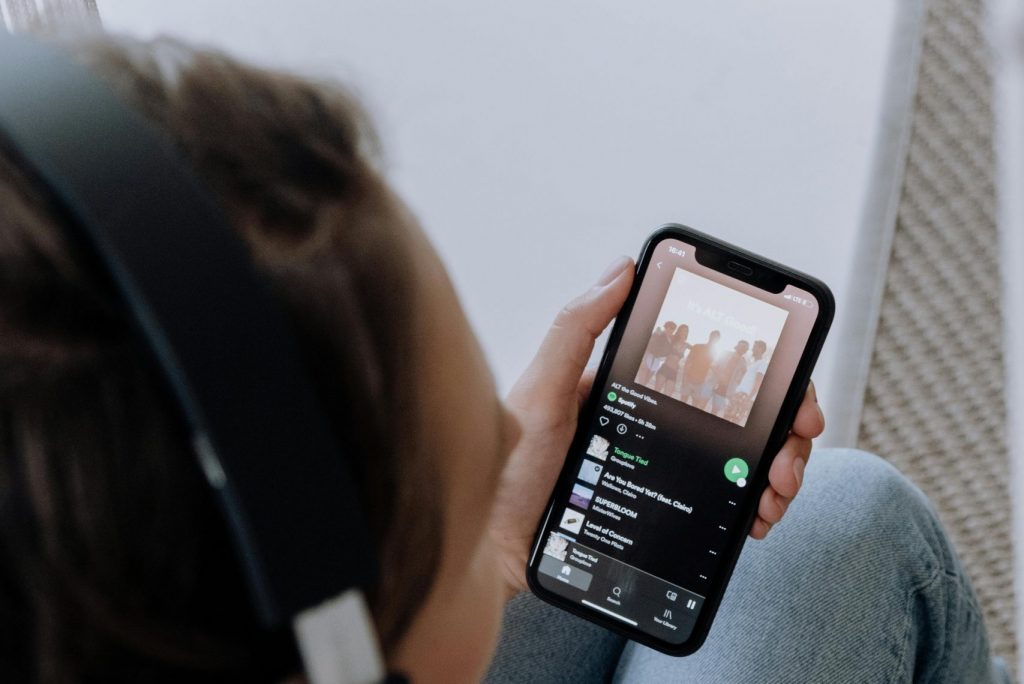
In 2025, streaming platforms have moved beyond genre tags and charts, reshaping music discovery around emotion, routine, and context. Hyper-personalized algorithms now factor in mood, daily habits, and even weather to curate playlists that function as intimate, ever-changing soundtracks. Rather than seeking out artists or styles, listeners increasingly encounter music through scenarios, such as Morning Motivation, Rainy Day Vibes, or Late-Night Drives, allowing emerging musicians to reach global audiences simply by fitting the right emotional moment. Far from reducing music to background noise, this shift has deepened its role in everyday life. User-generated “POV” playlists have surged, transforming songs into emotional cues for first kisses, solitary walks, or fleeting summers.
As traditional categories like genre and instrumentation lose their grip, context has become the defining framework for music consumption. In 2025, artists are increasingly incentivized to think less about what style their music fits into and more about where it lives in a listener’s life. This has influenced how music is made, from hook-first songwriting and shorter intros to production tailored for specific settings, lo-fi beats for studying, ambient soundscapes for mindfulness, and high-energy tracks engineered for workouts. Producers now lean heavily on digital mixing tools to ensure songs feel immersive across headphones, car speakers, and smart devices alike. The result is a landscape where music is designed to meet listeners exactly where they are, becoming the emotional backdrop to their everyday life.
5. Independent Artists: The New Power Players
Independent musicians have emerged as some of the most influential voices of 2025, reshaping the music industry from the ground up. Digital platforms have made global reach possible without the backing of major record labels, allowing artists to release music on their own terms and connect directly with listeners around the world. Streaming services and social media now function as both distribution channels and community-building tools, where consistent releases, direct fan communication, and DIY marketing strategies can translate into chart success. In what is shaping up to be one of the most democratic years in modern music history, independent artists such as Amaree, Remi Wolf, and Walter the Producer are no longer operating on the margins—they are topping playlists, driving trends, and defining the sound of the moment.
This shift has had a ripple effect across the wider industry. Platforms like Bandcamp, SoundCloud, and Spotify for Artists have empowered musicians to oversee every stage of the creative process, from composition to promotion, fostering an ecosystem built on autonomy and authenticity. The result is a wave of music that prioritizes raw emotion, narrative depth, and creative freedom over commercial polish. As indie artists continue to gain influence, their DIY ethos is increasingly shaping mainstream pop, inspiring even major-label acts to embrace imperfection and focus on storytelling.
6. Unpolished & Authentic Sounds
In 2025, a growing backlash against hyper-polished production and algorithmic perfection has pushed rawness to the forefront of popular music. Artists across genres are embracing lo-fi textures, off-the-cuff vocals, and intentionally imperfect aesthetics, tapping into a wider cultural craving for authenticity. This shift reflects fatigue with an industry that often demands curated personas, particularly in the age of social media, where musicians are expected to appear flawless at all times. Instead, listeners are gravitating toward music that feels immediate, human, and emotionally unfiltered.
This appetite for imperfection has also revived so-called “trashy” or dirty aesthetics, echoing the return of early-2000s indie sleaze. In 2024, the movement made a decisive comeback with Charli xcx’s brat, and in 2025, it spawned a multitude of hyper pop songs that echo back to the eurodance craze of the 2000s while reviving the trashy bimbo aesthetic. A perfect example of this is ADÉLA, a breakout star of 2025 whose songs feature raw club beats, raunchy energy, and unpolished vocals. This shift towards indie sleaze suggests a broader rejection of stage-managed pop in favor of something looser, more spontaneous, and more fun.
7. Pop’s New Intimacy Era
In 2025, pop has entered a new era of emotional vulnerability. Across streaming platforms, songs built on diary-like lyrics and intimate, close-mic’d production have taken center stage—think Alex Warren’s “Ordinary” or Gigi Perez’s “Sailor Song.” These tracks foreground emotional honesty, capturing the highs of love or the feelings of abandonment with disarming sincerity. Breakout artists like Olivia Dean and Sombr are helping define this wave of romantic pop, crafting music that feels emotionally direct yet cinematic in scale, unfolding like epic love stories made for the screen.
As 2025 fades out, the question remains: what sounds will define the year ahead?
About the Author