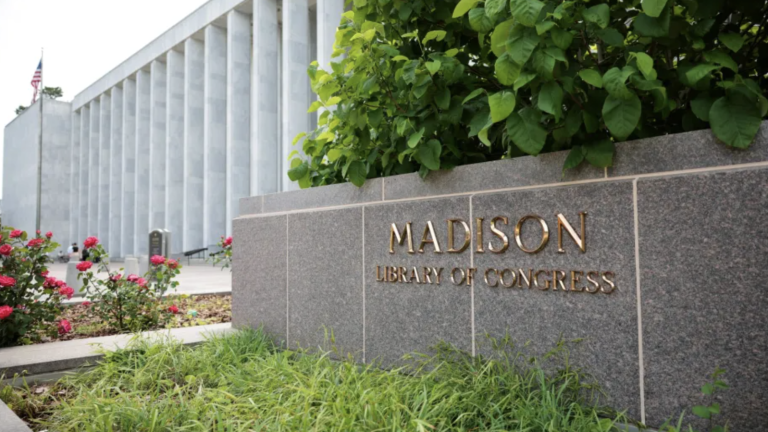
Prompted by a request from Congress, the Office wants to know how fraud works, how AI music fits in and whether new laws are needed. Comments are due Nov. 23.
On Tuesday, a federal judge sent Michael Smith to prison for 18 months for using bots to stream AI-generated songs billions of times. On Wednesday, the U.S. government asked the music industry how to stop the next Michael Smith.
The U.S. Copyright Office published a notice of inquiry on music streaming fraud in the Federal Register on Oct. 7. It responds to a letter from Rep. Scott Fitzgerald, who asked the Office in May to examine how widespread streaming fraud is and how it affects the music industry. The Office puts the problem simply: fake plays dilute the royalty pool for songs that are streamed legitimately.
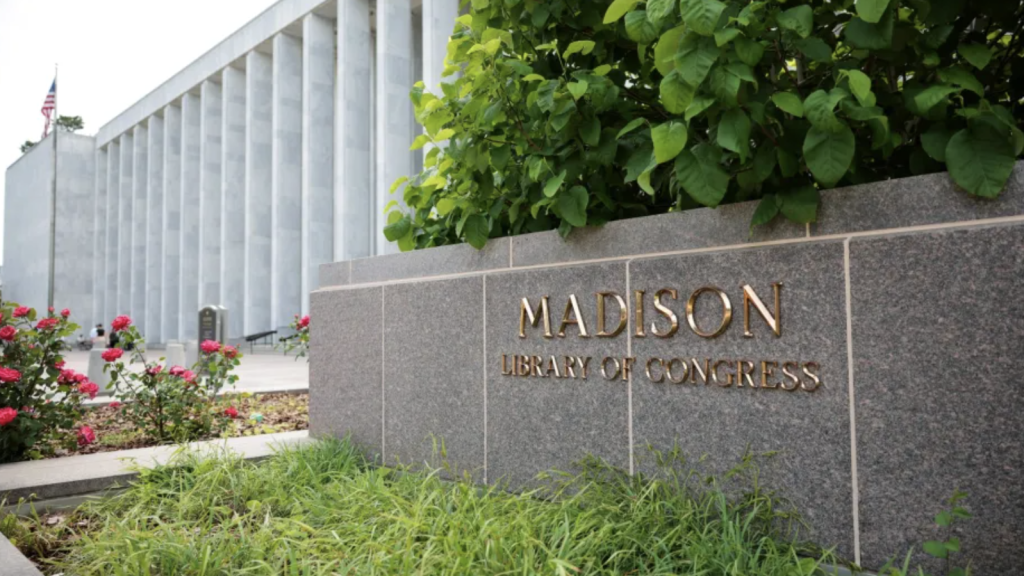
What the Office wants to know is laid out in a notice listing 10 subjects of inquiry, among them how fraud is actually carried out, from bot farms to playlist stuffing; how AI-generated music connects to streaming fraud; and how fraud affects live music, including venue choices and ticket sales. The notice also asks how the industry fights back, including the vendors stakeholders use and ideas such as a shared database of known fraud cases, as well as whether organized crime uses streaming fraud. And then there is the most uncomfortable question of all: “What industry policies or practices may be inadvertently contributing to streaming fraud?”
On solutions, the Office asks whether laws that allow “no-fault injunctive relief” could help, citing proposals such as the American Copyright Protection Act of 2026 and the DEFEND IP Act. A footnote points to DistroKid and TuneCore as examples of distributors that already penalize artificial streaming.
Smith’s sentence landed well below what prosecutors had asked for. In September, they requested at least 46 months; the federal guidelines range was 46 to 57 months, and the U.S. Probation Office had recommended 24. He also forfeited more than $8 million. The IFPI said the result sends a clear message that streaming fraud is a crime with serious consequences.
That’s the open question. As Music Ally points out, the industry’s anti-fraud work so far has focused on two areas that don’t really need new rules: streaming services and distributors catching fraud and sharing information, and better links with law enforcement. The inquiry could change that. Interestingly, IPWatchdog notes that the notice leaves out much of the concern about generative AI that featured heavily in the original letter from Congress.
Anyone can comment: artists, labels, distributors, streaming services and fans. Initial comments are due by Nov. 23, 2026, at 11:59 p.m. ET, and replies by Dec. 21. Submission instructions are on the Copyright Office’s Music Streaming Fraud policy page.
For years, streaming fraud was a problem the industry tried to solve quietly. Now the government is asking everyone to say it out loud.
Sources: U.S. Copyright Office · Federal Register · Billboard · Music Business Worldwide · Music Ally · IPWatchdog
About the Author