Photo Credit: photo_gonzo / Shutterstock.com
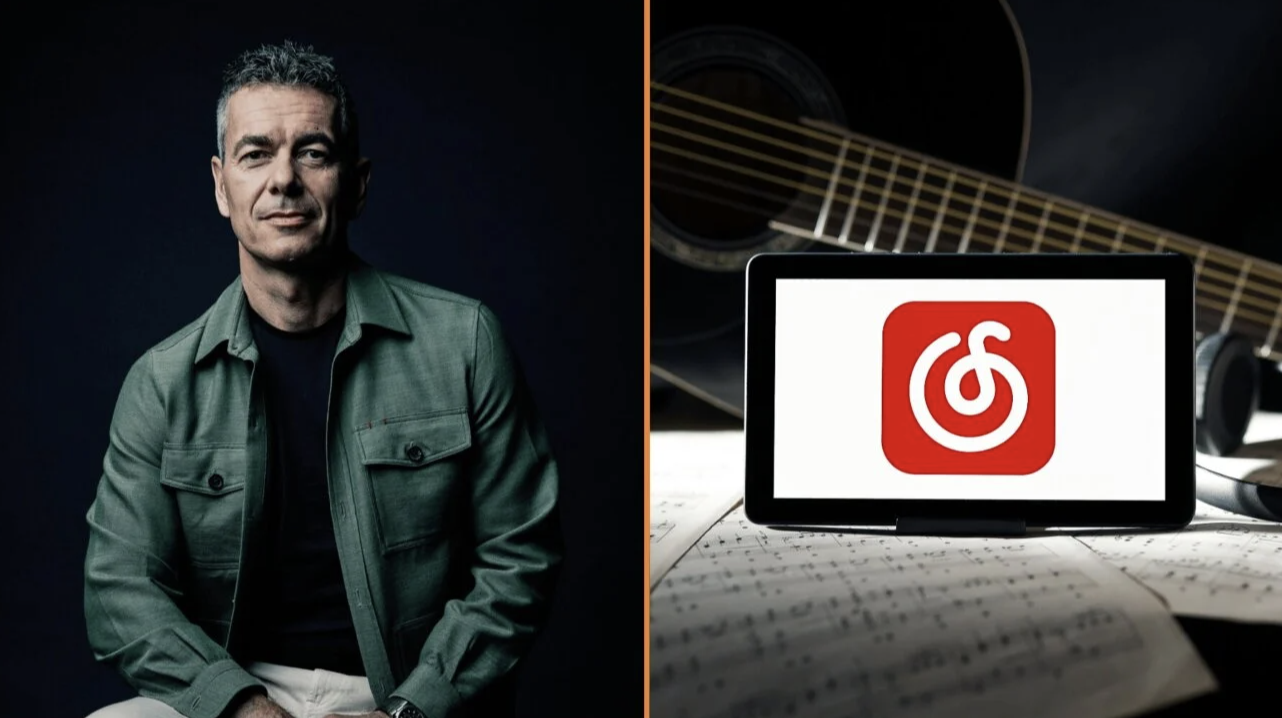
Warner Music Group (WMG) and NetEase Cloud Music have renewed their multi-year licensing agreement.
The extended deal continues the distribution of WMG’s recorded music and publishing catalogs across NetEase Cloud Music—China’s second-largest streaming platform behind Tencent Music Entertainment. Crucially, the renewal broadens the partnership beyond audio distribution into dedicated artist promotion and multimedia content collaboration.
Executive Statements
Robert Kyncl, CEO of Warner Music Group, highlighted the strategic importance of the Chinese youth market:
“China is a vital part of the global music ecosystem, and our continued partnership with NetEase Cloud Music is key to our mission to maximize our artists’ reach in the region,” said Kyncl. “By leveraging NetEase’s innovative social platform and deep understanding of Chinese youth culture, we’re building lifelong fanbases for our artists in this important and fast-growing market.”
William Ding, CEO of NetEase Cloud Music, expressed enthusiasm for expanding user access to WMG’s catalog:
“NetEase Cloud Music has always been the platform of choice for young users to discover and share great music, and to interact with artists,” said Ding. “Together with WMG, we’ll continue to push the boundaries of how music is experienced, ensuring that the world’s premium music is accessible to our users.”
Background and Market Growth
The two companies first partnered in May 2020, when Warner Chappell Music granted access to 1.3 million songs from writers behind hits by Green Day, Katy Perry, and Madonna. Those early deals preceded a July 2021 antitrust ruling in China that ended Tencent Music Entertainment’s exclusive sub-licensing rights over major label catalogs.
The renewal comes amid strong momentum in the region. China became the world’s fourth-largest recorded music market in 2025, with revenues rising 20.1% year-over-year. NetEase Cloud Music reported a 13.3% increase in subscription revenues last year, reaching RMB 5.1 billion ($715 million).
About the Author